
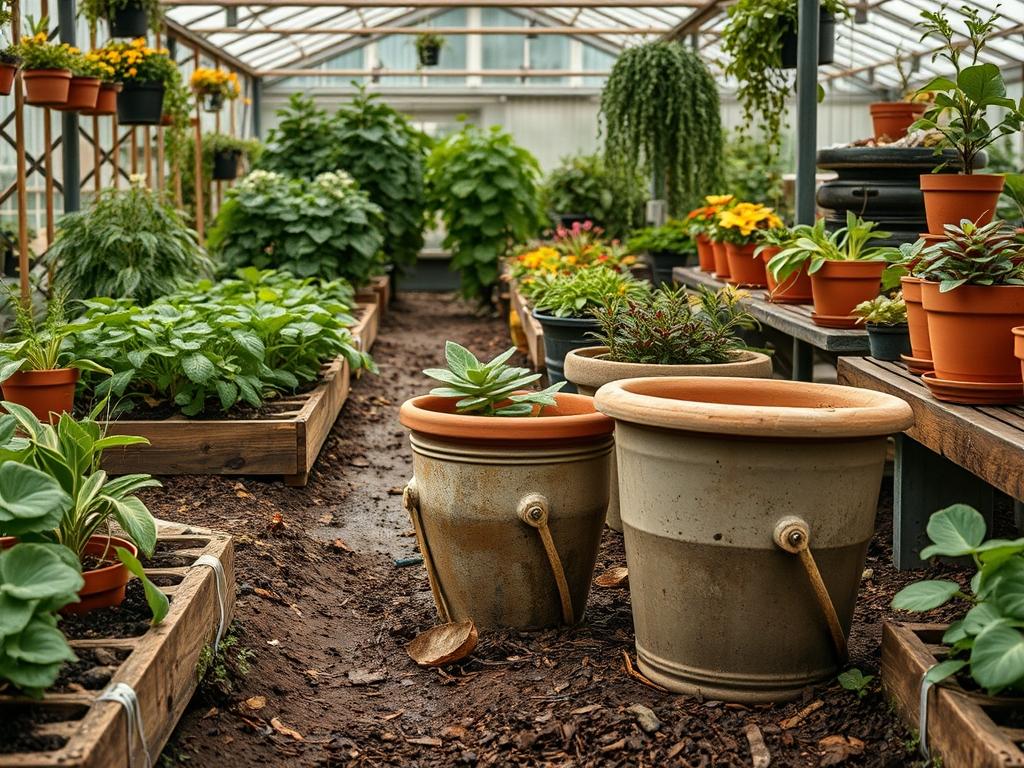
Integrating repurposed materials into a professional landscape design requires a sophisticated understanding of both aesthetics and site engineering. While many homeowners view upcycled garden planters as whimsical additions, a consultant approaches them as architectural elements that must align with the broader environment. The challenge lies in harmonizing disparate textures, such as rusted industrial steel or weathered timber, with a cohesive outdoor living plan. Beyond the visual appeal, these vessels must withstand specific climate conditions, from high ultraviolet exposure to freeze-thaw cycles. Properly positioned planters enhance curb appeal by providing vertical interest and defining boundaries without the permanence of masonry walls. They serve as strategic tools for managing microclimates, allowing a designer to place sensitive specimens in mobile or elevated environments that optimize sun exposure and drainage.
Landscape Design Principles
Successful integration of upcycled garden planters begins with the principle of focal points. A large, reclaimed industrial pipe or a seasoned wooden wine barrel acts as a visual anchor in a garden bed, drawing the eye and providing a sense of intentionality. To achieve a professional finish, one must consider symmetry and repetition. Placing identical upcycled vessels at the terminus of a walkway or flanking a transition point between a patio and a lawn creates a sense of formal structure. This prevents the landscape from appearing cluttered or haphazard.
Elevation layers are equally critical. By using varying heights of upcycled objects, you can create a tiered planting scheme that mimics natural forest floors or meadow transitions. Low-profile zinc buckets can sit in the foreground, while taller wooden crates or metal stock tanks provide a middle-ground backdrop. This layering hides unsightly structural bases and emphasizes the foliage. Irrigation planning should never be an afterthought. For groups of containers, a hidden 1/4-inch drip irrigation line can be threaded through the drainage holes or tucked behind the rim to ensure consistent hydration without the labor of manual watering. This maintains the health of the plants while keeping the overall design clean and professional.
Plant and Material Selection
Selecting the right plant for the right vessel is a technical necessity. Metal containers conduct heat rapidly, which can scorch the root systems of delicate plants, whereas thick wooden planters provide natural insulation. The following table outlines optimal selections for containerized environments.
| Plant Type | Sun Exposure | Soil Needs | Water Demand | Growth Speed | Maintenance Level |
| :— | :— | :— | :— | :— | :— |
| English Lavender | Full Sun | Well-draining, Sandy | Low | Moderate | Low |
| Blue Star Juniper | Full Sun | Loamy, Well-drained | Moderate | Slow | Low |
| Heuchera | Partial Shade | Rich, Organic | Moderate | Moderate | Medium |
| Japanese Forest Grass | Shade | Moist, Fertile | High | Slow | Medium |
| Dwarf Fountain Grass | Full Sun | Adaptable | Low | Fast | Low |
| Sedum Autumn Joy | Full Sun | Gritty, Poor Soil | Minimal | Moderate | Very Low |
Implementation Strategy
The transition from concept to ground implementation requires rigorous attention to site preparation. When placing heavy upcycled garden planters, such as concrete laundry tubs or iron cauldrons, the first step is grading. The ground must be level and compacted to prevent the vessel from leaning or sinking over time. For placement on soft soil, a base layer of crushed limestone or pea gravel approximately three inches deep provides necessary stability and improves bottom-end drainage.
Edging also plays a role in the professional look. Define the area around the planter with a clean steel edge or a brick border to separate the container from the lawn. This prevents weed whip damage to the planter and simplifies maintenance. Inside the planter, drainage is the most common failure point. If the upcycled item does not have holes, use a cobalt drill bit for metal or a masonry bit for ceramic to create at least three one-inch openings. Instead of filling the entire deep vessel with expensive potting mix, use a layer of landscape fabric over a base of lightweight expanded clay aggregate. This reduces weight and prevents the soil from becoming anaerobic. Finally, apply a two-inch layer of shredded cedar mulch or dark pine bark on the soil surface to regulate temperature and moisture.
Common Landscaping Failures
One of the most frequent mistakes in using upcycled garden planters is ignoring the perched water table. This occurs when a layer of fine soil sits directly on top of a coarse drainage material, causing water to pool at the transition point and rot the roots. To avoid this, always use a high-quality, uniform container potting soil that promotes capillarity. Do not use standard garden soil; it is too heavy and will compact under its own weight, suffocating the roots.
Root overcrowding is another systemic issue. Designers often overplant for immediate “fullness,” which leads to nutrient competition and stunted growth within a single season. Proper spacing, as indicated by the specific cultivar’s mature spread, is essential. Furthermore, consider the material of the upcycled planter itself. Untreated reclaimed wood will rot within two to three years if in direct contact with wet soil. To extend the life of these features, use a BPA-free plastic liner or a heavy-duty pond liner with precut drainage holes to create a barrier between the organic material and the damp medium.
Seasonal Maintenance
A professional landscape demands a four-season management strategy. In the spring, the focus is on soil rejuvenation. Every two years, replace the top third of the soil in your upcycled garden planters with fresh compost-enriched potting mix. Check all irrigation emitters for clogs caused by mineral buildup or insects.
Summer maintenance involves moisture management and deadheading. During heatwaves, upcycled metal containers may require watering twice daily unless they are insulated with polystyrene foam inserts. In autumn, transition the planters by removing spent annuals and replacing them with cold-hardy varieties like ornamental kale or winter berries. This ensures the upcycled decor remains a focal point even as the rest of the garden goes dormant.
Winter is the most taxing season for containerized environments. In regions with freezing temperatures, porous materials like terracotta sinks or concrete basins can crack due to the expansion of frozen water. To mitigate this, wrap the vessels in burlap or move them to a sheltered location. If the planter is too large to move, ensure the soil is dry before the first hard freeze and cover the surface with evergreen boughs to provide a buffer against temperature fluctuations.
Professional Landscaping FAQ
How do I prevent my metal upcycled planters from rusting further?
Apply a clear polyurethane spray or a penetrating oil finish to the exterior. This seals the existing patina and prevents oxygen and moisture from further degrading the structural integrity of the metal while maintaining its industrial aesthetic.
Can I use old tires as upcycled planters in a vegetable garden?
It is generally discouraged for edibles. Tires can leach heavy metals and polycyclic aromatic hydrocarbons over time. Reserve tires for ornamental species like marigolds or creeping phlox to ensure the safety of your home-grown food supply.
What is the best way to clean mineral deposits off old troughs?
Use a solution of white vinegar and water in a one-to-one ratio. Scrub the surface with a stiff nylon brush to dissolve calcium and lime buildup without scratching the underlying material or introducing harsh synthetic chemicals into your soil.
How do I ensure tall upcycled planters do not tip over in wind?
Weight the bottom third of the vessel with heavy river stones or broken bricks before adding the planting medium. For coastal or high-wind areas, anchor the planter to the ground using L-brackets and galvanized stakes hidden behind the base.
Is it necessary to use a fertilizer for containerized plants?
Yes. Containers have limited nutrient volumes. Use a slow-release granular fertilizer in the spring and a water-soluble kelp emulsion every two weeks during the growing season to compensate for the nutrients leached away by frequent irrigation cycles.