
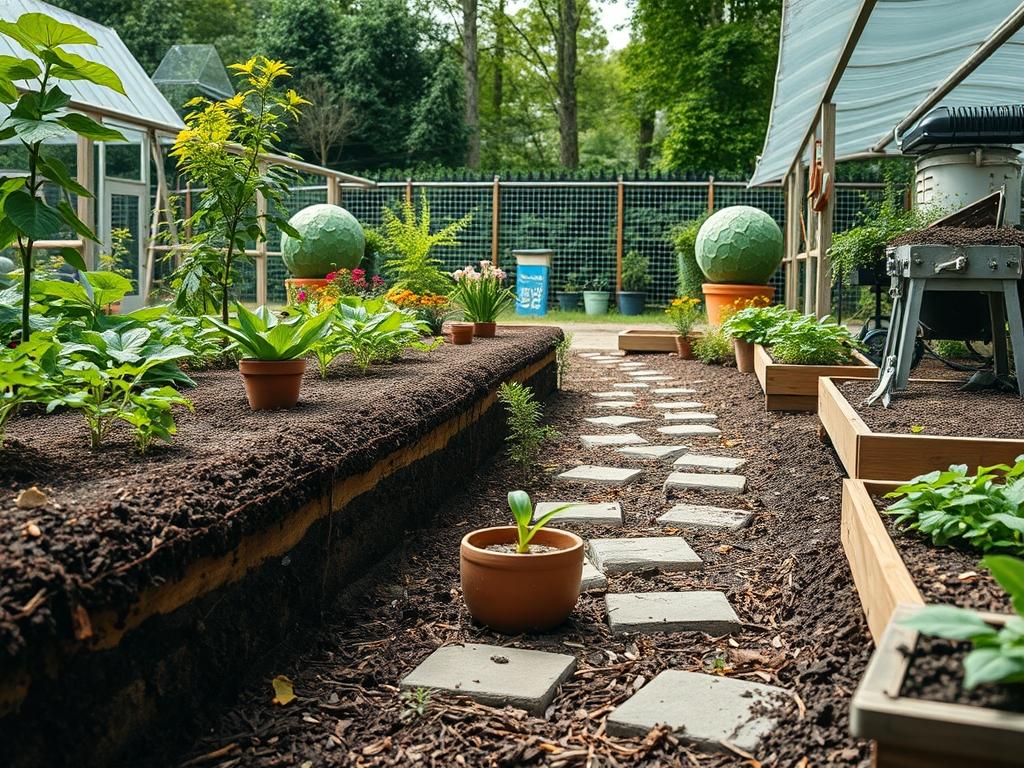
Creating a harmonious balance between a functional recreational area and a sophisticated garden landscape requires more than just placing a swing set on a patch of grass. As a landscape architect, I see many homeowners struggle to reconcile the aesthetic demands of high end curb appeal with the rugged requirements of active play zones. The challenge lies in the integration of these two distinct worlds. A playground should not look like an afterthought or a cluttered plastic island in the middle of a manicured lawn. Instead, it should be treated as a focal point that respects the existing topography, climate conditions, and long term outdoor functionality goals of the property. When we approach backyard playground safety from a design perspective, we look at the site’s drainage patterns, the prevailing winds, and how the sun moves across the lot during peak play hours. This holistic approach ensures that the space remains comfortable in the heat of August and dry during the rainy spring months.
Landscape Design Principles
Effective landscape design relies on the core tenets of symmetry and visual balance, even when the primary feature is a large wooden play structure. We often use the play set as a central focal point, but it must be framed correctly to avoid overwhelming the rest of the yard. This is achieved through elevation layers. By using Retaining Walls to create tiered sections, you can separate the active play area from quiet garden beds, which provides both safety and a sense of refined organization. Walkways are another critical design element. Rather than letting children create desire paths through the mud, we install Flagstone Pavers or Decomposed Granite paths that lead directly from the terrace to the playground entrance. These paths define the circulation of the space and protect the surrounding grass from excessive foot traffic.
Irrigation planning must also be adjusted when a playground is introduced. Sprinkler heads should never spray directly onto wooden structures or into mulch pits. This leads to wood rot and creates slippery surfaces. Instead, we transition to Drip Irrigation systems for the perimeter plantings and keep the play zone on a separate zone entirely. Visual balance is maintained by repeating certain textures or colors throughout the yard. If your play structure is made of dark stained cedar, incorporating matching Cedar Privacy Fences or pergolas elsewhere in the garden creates a cohesive look that ties the entire environment together.
Plant and Material Selection
Choosing the right flora for a play-centric backyard involves prioritizing non-toxic species that are resilient enough to handle stray balls or the occasional trampling. We avoid plants with thorns, such as certain varieties of roses or barberry, and opt for soft textures.
| Plant Type | Sun Exposure | Soil Needs | Water Demand | Growth Speed | Maintenance Level |
| :— | :— | :— | :— | :— | :— |
| Buxus sempervirens (Boxwood) | Full Sun to Shade | Well-Drained | Moderate | Slow | Low |
| Festuca glauca (Blue Fescue) | Full Sun | Sandy/Dry | Low | Moderate | Low |
| Coreopsis (Tickseed) | Full Sun | Average | Low | Fast | Medium |
| Liriope muscari (Lilyturf) | Partial Shade | Adaptable | Low | Moderate | Low |
| Panicum virgatum (Switchgrass) | Full Sun | Moist to Dry | Low | Fast | Low |
For the ground cover within the play zone itself, Engineered Wood Fiber (EWF) is the gold standard for backyard playground safety. Unlike standard decorative mulch, EWF is processed to have knit fibers that create a firm, impact-absorbing surface. Other high performance materials include Pour-in-Place Rubber or Rubber Mulch, though natural wood options are often preferred for their integration with organic garden styles. Every material selection must be viewed through the lens of longevity and the local climate; for instance, rubber can become excessively hot in southern exposures without adequate shading.
Implementation Strategy
The successful implementation of a garden layout begins with professional grading. Before any equipment is assembled, the site must be leveled to ensure stability, yet it requires a subtle 1 percent to 2 percent slope away from the house to facilitate proper drainage. Once the grade is established, we use a Sod Cutter to remove existing turf and clear the footprint of the play area. We then install a heavy duty Geotextile Fabric over the bare soil. This step is vital because it prevents soil from mixing with your safety surfacing and suppresses weed growth without the need for harsh chemicals.
Edging is the next phase. To contain the safety material, we recommend Timber Edging or Concrete Curbing. For a more natural look, Natural Stone Edgings can be used, provided the stones are rounded and set low enough to prevent tripping. When it comes to mulch depth, backyard playground safety standards require a minimum of 9 inches to 12 inches of material for a fall height of up to 8 feet. This material will settle over time, so initial overfilling is common. Finally, we integrate drainage solutions such as French Drains or Catch Basins around the perimeter of the play pit to ensure that water does not pool under the swings or at the base of the slide.
Common Landscaping Failures
One of the most frequent errors I encounter is the “Mud Hole” effect. This happens when the landing zones at the base of slides or under swings are not properly reinforced. Without deep mulch or a Wear Mat, the repetitive impact of feet hollows out the ground, creating a depression that collects water and breeds mosquitoes. Another failure is root overcrowding. Homeowners often plant large canopy trees too close to the playground to provide shade, only to find that the roots eventually heave the play structure or interfere with its anchoring system. A minimum clearance of 10 feet from major root zones is recommended.
Improper spacing and site selection also pose significant risks. Placing a playground too close to a property line or a hard fence can lead to injuries if a child leaps from a swing. There should be a “no-encroachment zone” of at least 6 feet in every direction around the equipment. Soil compaction is another silent killer of backyard beauty. High traffic around the playground compacts the earth, suffocating the roots of nearby plants and grass. Using Aerators annually and directing traffic with designated walkways can mitigate this issue. Lastly, irrigation inefficiencies often result in “dead spots” where the play structure blocks the nursery of the sprinklers, leading to dried out patches of lawn that detract from the overall ambiance.
Seasonal Maintenance
Landscape management is a year round commitment that changes with the seasons. In the spring, the focus should be on structural integrity and safety. Inspect all wooden components for splintering and check metal parts for rust. Use a Power Washer on a low setting to clean the play set and any surrounding stonework. This is also the time to rake the mulch to ensure it hasn’t become compacted or unevenly distributed during the winter months.
Summer maintenance involves hydration and heat management. Check the moisture levels of your Native Plants frequently, as the heat reflected off play structures can increase transpiration rates. If you have rubber surfacing, check the temperature with an Infrared Thermometer on days exceeding 90 degrees Fahrenheit. Autumn is for clearing debris. Fallen leaves must be removed from the play mulch; if they are left to decompose, they turn into organic soil that allows weeds to take root and reduces the impact-absorbing quality of the fiber. In the winter, the goal is stabilization. In cold climates, apply a thin layer of Coarse Sand to walkways to prevent ice, but avoid using heavy salt near your garden beds as it can alter the soil pH and kill sensitive vegetation.
Professional Landscaping FAQ
How deep should the mulch be for maximum safety?
For residential backyard playground safety, you should maintain a depth of 12 inches of loose-fill material. This depth accounts for compression over time and provides adequate cushioning for falls from standard equipment heights of up to eight feet.
Can I put a playground on top of artificial turf?
Yes, but you must install a certified Shock Pad underneath the turf. Traditional artificial grass alone does not provide enough impact attenuation for falls. The combination ensures a clean, green look with the necessary safety ratings.
Are there specific plants I should avoid near a play area?
Avoid any plants with berries like Ilex (Holly) or toxic leaves like Nerium oleander (Oleander). Also, skip plants that attract excessive bees, such as Buddleja (Butterfly Bush), to minimize the risk of stings during active play.
How do I prevent weeds from growing in the play mulch?
The most effective method is installing a high quality Non-Woven Geotextile Fabric beneath the mulch. This barrier prevents seeds in the soil from reaching light while still allowing water to drain through to the earth below.
Which wood is best for a long lasting play structure?
Redwood and Western Red Cedar are the premier choices due to their natural resistance to rot and insects. They do not require the harsh chemical treatments found in standard pressure treated lumber, making them safer for child contact.