
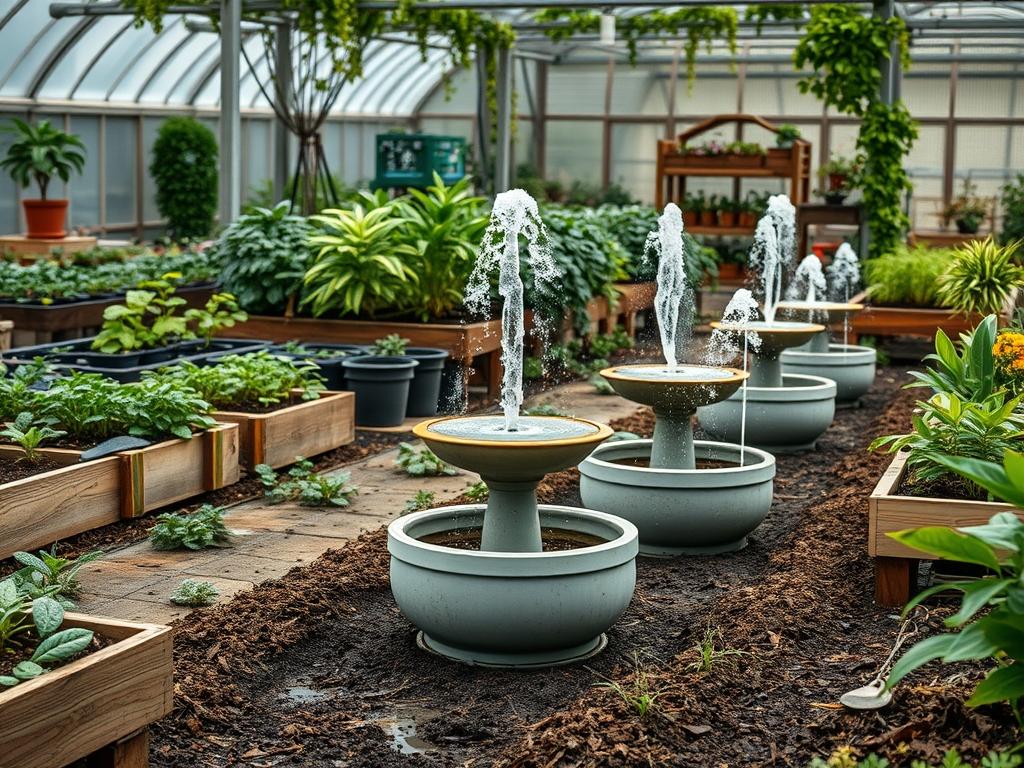
Modern exterior design has transitioned from static garden beds toward dynamic, multi-sensory environments where technology and nature intersect seamlessly. The integration of App-Controlled Fountains represents a significant milestone in this evolution, offering homeowners the ability to manage water flow, lighting, and energy consumption through a smartphone application. For the professional landscape architect, the challenge lies in balancing these high-tech features with the organic requirements of a thriving garden. Climate considerations, such as high evaporation rates in arid zones or freezing temperatures in northern latitudes, must dictate the choice of materials and the depth of the water reservoir. A well-placed fountain does more than provide a focal point; it increases curb appeal by masking traffic noise with customizable acoustic layers and improves outdoor functionality by regulating local ambient temperatures.
Landscape Design Principles
Achieving a harmonious outdoor environment requires a strict adherence to spatial hierarchy and visual balance. When integrating App-Controlled Fountains, the water feature should serve as the primary focal point, anchoring the rest of the hardscape. Symmetry plays a vital role here. If the fountain is positioned centrally on a modern patio, flanking it with rhythmic rows of boxwood shrubs or tall ornamental grasses creates a sense of formal elegance. Conversely, an asymmetrical placement can evoke a more naturalistic, woodland aesthetic if balanced by the correct distribution of boulders and varied elevation layers.
Elevation layering is essential to prevent a flat, uninteresting landscape. By using retaining walls or raised stone tiers, an architect can lift the fountain to eye level, making it visible from various points within the home. This verticality should be echoed in the planting scheme. Irrigation planning is also paramount. Even though the fountain is a self-contained system, the surrounding vegetation will benefit from the increased humidity. Subtle inclusion of drip irrigation lines hidden beneath a 3-inch layer of hardwood mulch ensures that the plants remain vibrant without competing with the water feature for resources. Walkways should lead the eye toward the fountain, using materials like bluestone pavers or decomposed granite to provide a tactile transition from the transition zones to the central gathering space.
Plant and Material Selection
The materials surrounding the fountain must be durable and resistant to constant moisture exposure. Selecting the right plant palette is equally critical to ensure the greenery does not overwhelm the mechanical components of the water feature.
| Plant Type | Sun Exposure | Soil Needs | Water Demand | Growth Speed | Maintenance Level |
| :— | :— | :— | :— | :— | :— |
| Japanese Forest Grass | Partial Shade | Humus Rich | Moderate | Moderate | Low |
| Ostrich Fern | Full Shade | Moist/Loamy | High | Fast | Medium |
| Blue Hosta | Shade to Sun | Well-Drained | Moderate | Medium | Low |
| Creeping Jenny | Full Sun | Wet/Damp | High | Very Fast | High |
| Horsetail Reed | Full Sun | Soggy/Clay | Very High | Fast | Medium |
| Lavender | Full Sun | Sandy/Dry | Low | Moderate | Low |
For the fountain construction itself, materials such as glass-fiber reinforced concrete (GFRC) and natural slate are preferred for their longevity. Polyresin is an excellent affordable alternative for modern patios because it is lightweight and allows for the easy concealment of the Wi-Fi controller and submersible pump.
Implementation Strategy
The successful installation of a smart water feature begins with precise site preparation. First, the architect must evaluate the grading of the patio. The ground must be perfectly level to ensure even water flow over the weirs of the fountain. If the site is sloped, a compacted gravel base of at least 4 inches should be installed, followed by a 1-inch sand setting bed to provide a stable foundation.
Once the base is prepared, the focus shifts to power and connectivity. A GFI-protected outdoor outlet is mandatory for safety. Because these are App-Controlled Fountains, the site must fall within the range of the home’s Wi-Fi router. If the signal is weak, a weatherproof Wi-Fi extender should be mounted on a nearby structure. After placing the fountain, use landscape fabric around the base to prevent weeds from infiltrating the mechanical housing. Surround the feature with river rock or polished pebbles to create a clean aesthetic and facilitate drainage. Finally, apply a metal landscape edging to define the perimeter between the stone feature and the surrounding mulch or turf.
Common Landscaping Failures
One of the most frequent mistakes in backyard planning is the neglect of proper drainage. If a patio is not pitched away from the home at a rate of at least 1/4 inch per foot, excessive rain can flood the fountain’s electrical housing, leading to short circuits in the smart controller. Another common failure is root overcrowding. Planting vigorous species like willows or certain bamboos too close to the fountain can results in root systems piercing the liner or clogging the intake valves.
Improper spacing also ruins many professional designs. Homeowners often underestimate the mature width of plants, leading to a crowded mess that obscures the fountain within two years. Furthermore, soil compaction is a silent killer of garden health. During the installation of heavy stones and retaining walls, the surrounding soil is often crushed by foot traffic and machinery, preventing oxygen from reaching plant roots. Lastly, many forget to account for the splash zone. Water-sensitive materials like unfinished wood decking should be kept at a distance or treated with waterproof sealant to prevent rot and mold growth caused by the constant fine mist from the fountain.
Seasonal Maintenance
Maintenance requirements fluctuate with the transition of the seasons, and a smart system requires specific care to protect its internal sensors. In the spring, the focus is on reactivation. This involves cleaning the pump filter, scrubbing the basins with a non-toxic algaecide, and checking the LED lighting for any winter damage. This is also the time to apply a fresh 2-inch layer of cedar mulch to the surrounding beds to retain moisture during the coming heat.
Summer maintenance is largely managed through the smartphone application. Users should monitor the evaporation levels and use the app’s scheduling feature to run the fountain during the coolest parts of the day, which helps preserve the pump’s lifespan. Autumn brings the challenge of debris. Falling leaves must be removed daily from the catch basin to prevent the submersible pump from burning out. By winter, in climates where the ground freezes, the fountain must be fully drained. The smart pump and Wi-Fi module should be disconnected and stored indoors. If the main structure cannot be moved, it should be covered with a heavy-duty waterproof tarp to prevent ice from cracking the material.
Professional Landscaping FAQ
How do I ensure my fountain stays connected to my phone?
Install a high-gain Wi-Fi extender within 30 feet of the fountain. Ensure the smart controller is not shielded by thick concrete walls or heavy metallic decorative elements that could block the signal.
What is the best way to prevent algae growth naturally?
Incorporate aquatic plants like water lilies to shade the water surface. Keep the water moving constantly using the app’s timer, as oxygenated water is less susceptible to algae blooms than stagnant pools.
Can I integrate my fountain with my existing smart home system?
Most App-Controlled Fountains use standard protocols like Zigbee or Wi-Fi. You can link them to hubs like Amazon Alexa or Google Home, allowing you to control water flow via voice commands.
Which mulch is best for use around water features?
Use nugget pine bark or hardwood mulch. These materials are heavier and less likely to blow into the fountain basin or wash away during heavy rain compared to lighter straw or shredded cedar.
How much power do these fountains typically consume?
Modern LED-integrated pumps are highly efficient. On average, they use less energy than a 60-watt light bulb. Using the app to schedule “off” times during the night can further reduce your monthly electrical expenses.