
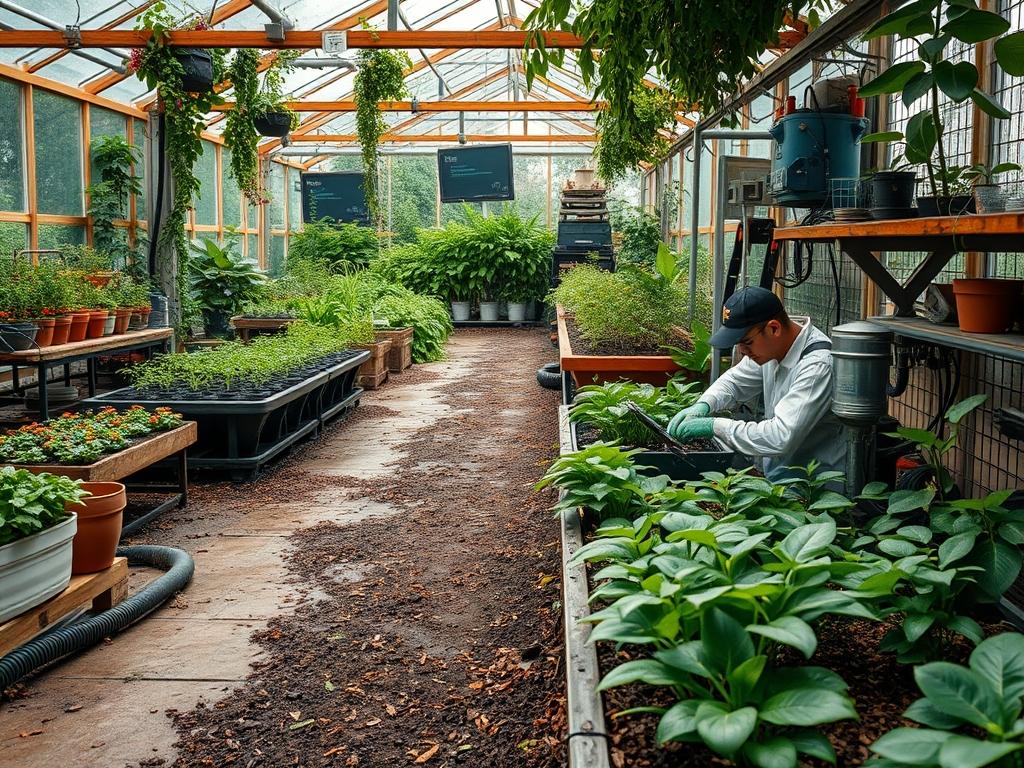
Designing a residential exterior requires a delicate balance between welcoming aesthetics and a robust defense strategy. When homeowners consider remote security for gardens, they often visualize cameras and sensors, yet the true foundation of a secure perimeter lies in the landscape architecture itself. A well planned garden does more than provide curb appeal; it acts as a psychological and physical deterrent. By manipulating sightlines, managing dense vegetation, and choosing materials that announce a visitor’s presence, an architect can create an environment that feels open to guests but impenetrable to intruders. This approach ensures that the outdoor space remains functional for relaxation and entertainment while serving as the first line of defense for the home.
The challenge during the design phase involves harmonizing these security needs with local climate conditions and soil health. In arid regions, the focus might be on sparse, strategically placed succulents that offer zero concealment for a trespasser. Conversely, in temperate zones, the use of broadleaf evergreens can create year-round visual barriers that do not thin out during the winter months. Regardless of the environment, every choice, from the pitch of the grading to the thickness of the river rock in a dry creek bed, contributes to the overall effectiveness of remote security for gardens. A holistic view considers how lighting, topography, and plant maturation will interact over the next decade.
Landscape Design Principles
Effective landscape design relies on the core principle of territorial reinforcement. By using retaining walls, low-profile fencing, and clear transitions between public and private zones, the property clearly signals its boundaries. Symmetry plays a vital role here; a balanced entrance with identical concrete planters on either side directs the eye toward the primary entryway, making any deviation from the path immediately noticeable to a remote monitoring system. Focal points, such as a large granite boulder or a central fountain, are not merely decorative. They serve as psychological anchors that define the intended flow of movement through the space.
Elevation layers are perhaps the most critical tool for a landscape consultant. By utilizing tiered gardens, an architect can ensure that cameras and motion sensors have an unobstructed view over the entire property. This prevents the creation of blind spots that often occur in flat, monolevel yards where a single large bush can hide a significant area. Incorporating proper irrigation planning is equally essential. High-moisture areas can lead to dense, overgrown foliage that requires constant pruning to maintain security sightlines. Therefore, a drip system designed for slow growth is often preferable to high-volume sprayers that encourage rapid, unruly expansion of the canopy.
Visual balance must also account for hardscaping elements like walkways and patios. A path made of decomposed granite or loose gravel provides an audible alert when someone approaches, functioning as a low-tech sensor that complements high-tech remote security for gardens. These surfaces should be wide enough to prevent visitors from brushing against peripheral plants, which reduces the likelihood of false alarms triggered by motion-sensitive equipment. When walkways are integrated with low-voltage LED path lights, the garden becomes a controlled environment where movement is both guided and easily documented.
Plant and Material Selection
Selecting the right flora is a strategic exercise in choosing “defensive greenery.” The goal is to select species that are difficult to traverse but beautiful to behold. The following table highlights several species that enhance privacy and security through their physical characteristics.
| Plant Type | Sun Exposure | Soil Needs | Water Demand | Growth Speed | Maintenance Level |
| :— | :— | :— | :— | :— | :— |
| Holly (Ilex) | Full Sun to Part Shade | Well-drained, acidic | Moderate | Medium | Low |
| Bougainvillea | Full Sun | Sandy, dry | Low | Fast | Medium |
| Boxwood | Full Sun to Shade | Loamy, moist | Moderate | Slow | High |
| Pyracantha | Full Sun to Part Shade | Any well-drained | Low | Fast | Medium |
| Lavender | Full Sun | Gritty, alkaline | Very Low | Medium | Low |
| Berberis (Barberry) | Full Sun to Part Shade | Adaptable | Low | Medium | Low |
Materials extend beyond plants to the structural components of the garden. Natural stone offers durability and a timeless look, while pressure-treated timber is ideal for building sturdy raised beds that can define property edges. For those prioritizing remote security for gardens, the inclusion of steel edging provides a clean break between turf and mulch, preventing the migration of materials that might interfere with gate sensors or ground-based equipment.
Implementation Strategy
The transition from a blueprint to a finished landscape requires a phased approach. The first priority is grading and drainage. A site must be pitched at a minimum of 2 percent away from the home foundation to prevent water pooling. During this phase, installers should lay down perforated 4-inch PVC pipe for French drains, ensuring that heavy rains do not wash away the expensive hardscaping or damage outdoor electrical conduits. Once the skeleton of the garden is set, the installation of large trees and structural elements like retaining walls begins.
After the heavy machinery has finished, the focus shifts to the soil. Applying a 3-inch mulch depth is the standard for moisture retention and weed suppression. In a security-conscious garden, use a smaller bark size or inorganic mulch like lava rock to avoid creating a soft, silent walking surface. Plant spacing is the next critical step. Consult the mature width of each species; a Boxwood planted today may only be 12 inches wide, but in five years, it could reach 3 feet. Spacing them correctly now ensures they do not grow into a solid mass that obscures the view of a remote security for gardens camera.
Finally, the irrigation and lighting systems are integrated. Drip emmiters should be placed at the root ball of each plant to provide targeted hydration. Motion-activated lights should be positioned to overlap, ensuring there are no dark corridors where an intruder could move unseen. By the time the sod or ground cover is laid, the garden should function as a cohesive unit where every plant and stone serves a purpose in the broader security and aesthetic plan.
Common Landscaping Failures
One of the most frequent errors in garden planning is the failure to account for root growth in proximity to infrastructure. Willows or certain species of Maple have aggressive root systems that can heave pavers and crack concrete footings, creating tripping hazards and damaging underground security wiring. Overcrowding is another common pitfall. While many homeowners want an instant forest for privacy, planting trees too close together leads to stunted growth and a “leggy” appearance, where the bottom of the plant is bare, offering very little actual privacy or security.
Irrigation inefficiencies also rank high among landscaping failures. Over-watering not only wastes resources but also leads to soil compaction and root rot. In a security context, a waterlogged yard becomes muddy and difficult for residents to navigate, while also creating humid microclimates that can fog up outdoor camera lenses. Furthermore, poor grading that creates standing water can attract pests and weaken the structural integrity of fences and gate posts. Addressing these technical issues during the design phase is far more cost-effective than attempting to remediate them once the garden is established.
Seasonal Maintenance
A secure garden is a maintained garden. In the Spring, the primary task is pruning to restore sightlines that may have been obscured by new growth. This is also the time to inspect irrigation controllers and replace batteries in any remote sensors. As Summer arrives, the focus shifts to moisture management and ensuring that heat-stressed plants do not wilt and create gaps in the perimeter. Check the height of the lawn; keeping grass at a consistent 3-inch height maintains a tidy appearance that suggests the home is actively monitored.
Autumn maintenance involves leaf removal and the winterization of water features. Accumulating leaves can block drainage grates and hide trip hazards, so regular raking or blowing is essential for safety. Finally, the Winter months are for structural inspections. With the leaves gone, the bare bones of the landscape are visible, making it the perfect time to check retaining walls for cracks and ensure that hardscaping has not shifted due to frost heave. Consistent care ensures that the remote security for gardens infrastructure remains operational and clear of obstructions year-round.
Professional Landscaping FAQ
How does landscaping improve remote security for gardens?
Strategically placed plants and hardscaping eliminate hiding spots for intruders. Thorny shrubs act as a physical deterrent, while gravel paths create noise to alert homeowners of movement. Proper lighting and elevation ensure that cameras have unobstructed views of the property.
What is the best mulch depth for security and health?
A 3-inch mulch depth is the professional standard. It provides excellent moisture retention for plants while ensuring the ground remains stable. Choosing a noisy material, like crushed stone, adds an extra layer of audible security to the garden’s perimeter.
Can irrigation systems assist with property security?
Smart irrigation systems can be integrated into home automation. Significant changes in water pressure can trigger alerts regarding leaks or tampering. Properly hydrated plants also maintain their structural density, which is essential for maintaining consistent privacy barriers around the home.
Which plants are best for natural fencing?
Holly, Pyracantha, and Berberis are excellent choices. They possess dense foliage for privacy and sharp thorns or jagged leaves that discourage climbing. These species are hardy and provide a beautiful, evergreen aesthetic while functioning as a living security wall.
Why is grading important for an outdoor security plan?
Proper grading ensures that water flows away from the home and expensive security hardware. It prevents the soil erosion that can expose underground wiring. A well-graded yard also provides a level surface for the accurate calibration of motion sensors.