
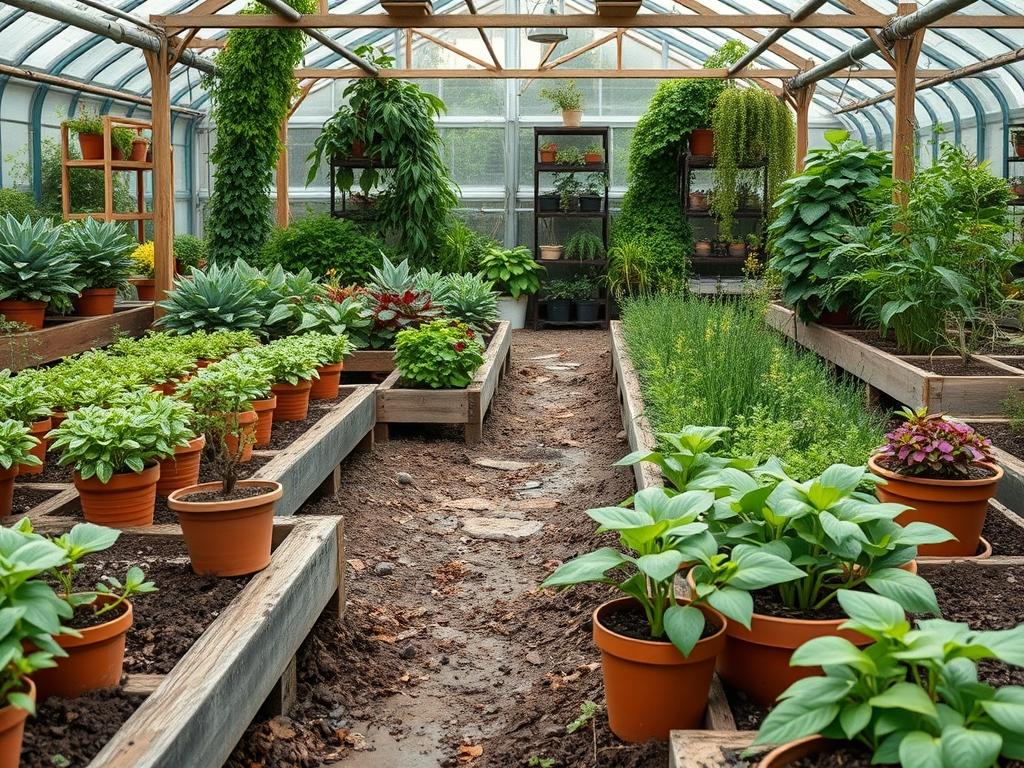
The aesthetic value of a residential property hinges on the sophisticated integration of architectural lines and the surrounding environment. Designing Curb Appeal Color Palettes requires more than a simple selection of bloom colors; it demands an understanding of how light interacts with organic textures, hardscape materials, and the structural silhouette of the home. A successful landscape consultant views the front yard as a multi-dimensional canvas where seasonality determines the shifting saturation of the site. Factors such as regional climate, soil pH, and solar orientation dictate which pigments will thrive and which will fade. When planning these spaces, one must balance the immediate visual impact with the long term functionality of the site, ensuring that the irrigation infrastructure and drainage systems support the aesthetic vision without compromising the integrity of the foundation.
Landscape Design Principles
Achieving a balanced curb appeal requires a rigorous application of design principles that guide the eye toward the primary entrance while providing secondary planes of interest. Symmetry often serves as the cornerstone of formal residential landscapes, utilizing mirrored plantings of Boxwood or Emerald Green Arborvitae to frame the architecture. However, asymmetrical balance can be equally effective in modern or cottage-style environments where staggered elevations create a sense of movement. To manage these heights, designers often utilize retaining walls constructed from natural stackstone or concrete modular blocks. These structures allow for the creation of distinct tiers, which prevent the visual “flatness” that plagues many suburban lots.
Focal points should be selected based on their ability to hold color throughout the year. A specimen tree, such as a Japanese Maple, provides a deep burgundy anchor in the summer and a structural skeletal form in the winter. Surrounding these focal points with varying layers of vegetation ensures that the transition from the turf to the house is gradual. This layering involves three distinct zones: the foreground, consisting of low-growing groundcovers like Creeping Phlox; the midground, featuring shrubs or perennials; and the background, which often includes the foundation plantings that mask the transition between the soil and the siding.
Effective irrigation planning must be integrated into the preliminary design phase. A professional layout utilizes drip emitters for ornamental beds and high-efficiency rotary nozzles for turf areas to minimize water waste and prevent fungal growth. Walkways also play a critical role in the color palette, as the choice between gray slate, earth-toned pavers, or decomposed granite establishes the neutral base upon which the plant colors will rest. These paths must be wide enough for two people to walk side by side, typically measuring at least 48 inches in width, to ensure the space feels welcoming rather than constricted.
Plant and Material Selection
| Plant Type | Sun Exposure | Soil Needs | Water Demand | Growth Speed | Maintenance Level |
| :— | :— | :— | :— | :— | :— |
| Lavender (Phenomenal) | Full Sun | Well-Drained | Low | Moderate | Low |
| Hydrangea (Limelight) | Partial Shade | Moist, Rich | High | Fast | Moderate |
| Blue Star Juniper | Full Sun | Sandy/Rocky | Low | Slow | Low |
| Heuchera (Coral Bells) | Shade/Partial | Loamy | Medium | Moderate | Low |
| Dwarf Korean Lilac | Full Sun | Neutral pH | Medium | Moderate | Moderate |
| Japanese Forest Grass | Full Shade | High Organic | Medium | Slow | Low |
| Red Twig Dogwood | Full to Partial | Damp Soil | High | Fast | Moderate |
Implementation Strategy
The successful execution of a landscape plan begins with meticulous site preparation. First, the area must be graded to ensure that water moves away from the residence at a minimum slope of 2 percent. This prevents moisture accumulation near the footer, which can lead to structural instability. Once the grade is established, designers use landscape marking paint to outline the beds and paths, allowing the homeowner to visualize the scale before any soil is moved.
When installing hardscaping, such as a paver walkway, a base of 4 to 6 inches of compacted crushed stone is necessary to prevent heaving during freeze-thaw cycles. Above this, a 1-inch layer of bedding sand provides the level surface for the stones. For the garden beds, the focus shifts to soil health. Incorporating 3 inches of organic compost into the existing topsoil improves the cation exchange capacity, ensuring plants can access necessary nutrients.
Edging is the next critical step; it provides a clean termination point between the turf and the wood chips. A deep “V” trench edge or a heavy-duty steel edging strip prevents grass rhizomes from invading the ornamental areas. Plants should be installed at a depth where the root flare is level with the soil surface to avoid stem rot. Finally, the application of 3 inches of triple-milled hardwood mulch or pine bark nuggets serves multiple purposes. It suppresses weed germination, retains soil moisture, and provides the dark, matte background that makes the Curb Appeal Color Palettes truly pop against the green foliage.
Common Landscaping Failures
The most frequent error in residential landscaping is the failure to account for the mature size of plant material. Habitually, homeowners plant Leyland Cypress or Alberta Spruce too close to the home’s exterior walls. Over time, these plants grow to their genetic potential, crowding windows, trapping moisture against the siding, and eventually requiring expensive removal. A minimum clearance of 3 to 5 feet from the foundation is recommended for most mid-sized shrubs.
Drainage mistakes also rank high among landscape failures. Improperly directed downspouts can wash away mulch and create gullies in the lawn. The installation of a French drain or a dry creek bed lined with river rock can mitigate these issues by channeling excess runoff into a designated rain garden or municipal storm system. Additionally, soil compaction during the construction phase often goes unaddressed. When heavy equipment traverses the yard, it collapses the pore spaces in the soil, leading to poor root respiration and standing water. Professional remediation involves the use of a mechanical aerator or the incorporation of gypsum to break up heavy clay particles.
Irriciency in irrigation is another silent failure. Over-watering is just as detrimental as under-watering, as it leads to root asphyxiation and the development of pathogens like Pythium. Smart controllers equipped with weather sensors are essential tools for the modern landscape, as they automatically adjust the watering schedule based on real-time evaporation rates.
Seasonal Maintenance
A truly professional landscape maintains its curb appeal through a disciplined maintenance schedule that shifts with the seasons. In the spring, the focus is on reactivation. This includes the removal of winter debris, the application of a pre-emergent herbicide to prevent crabgrass, and the pruning of summer-blooming shrubs like Butterfly Bush. It is also the ideal time to test the soil pH to determine if applications of lime or sulfur are required to optimize nutrient uptake.
Summer maintenance centers on moisture management and deadheading. Removing spent blooms from Salvia or Daylilies encourages a second flush of color and prevents the plants from diverting energy into seed production. During periods of extreme heat, irrigation should be scheduled for the early morning hours, typically between 4:00 AM and 8:00 AM, to minimize evaporation loss.
Autumn is the season for soil enhancement and renovation. This is the optimal window for core aeration and overseeding of cool-season grasses like Tall Fescue. It is also the time to plant spring-flowering bulbs such as Tulips and Daffodils, which provide the first splashes of color in the new year. Finally, winter maintenance involves protecting sensitive species from desiccation. Applying an anti-desiccant spray to evergreens and ensuring that heavy snow is gently removed from brittle branches will preserve the structural integrity of the landscape until the cycle begins again.
Professional Landscaping FAQ
How do I choose a color palette that complements my home style?
Analyze the fixed elements of your home, such as the brick, stone, or roofing. Select a primary plant color that contrasts with the siding and use two secondary colors to create a harmonious, three-tone color scheme across the beds.
What is the best way to handle steep slopes in the front yard?
Install a series of terraced retaining walls. This prevents erosion, allows for easier maintenance access, and provides multiple levels for planting. Use groundcovers with aggressive root systems, like Creeping Juniper, to further stabilize the soil.
How much mulch do I really need for a new garden bed?
Aim for a depth of 3 inches. This thickness is sufficient to suppress weeds and retain moisture without suffocating the root systems of your plants. Avoid “mulch volcanoes” by keeping the material away from tree trunks.
Can I use native plants and still have a formal look?
Absolutely. Many native plants, such as Inkberry Holly or Switchgrass, can be pruned into structured shapes or planted in mass drifts to create a clean, contemporary aesthetic that supports local biodiversity while requiring less supplemental water.
What is the most durable material for a front walkway?
Natural stone or high-density concrete pavers offer the best longevity. When installed over a proper compacted gravel base, these materials resist cracking and can withstand significant foot traffic and varying weather conditions for decades.