
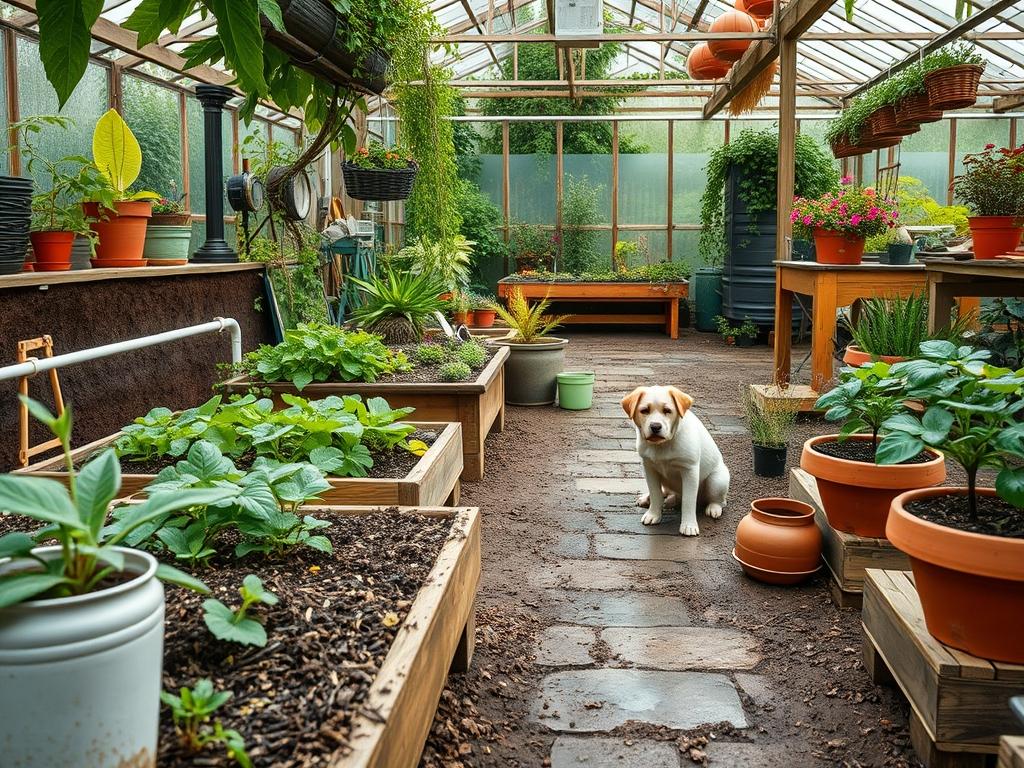
Designing a landscape that balances sophisticated aesthetics with the rigorous demands of active pets requires a strategic shift in traditional outdoor architecture. Most homeowners view hardscaping as a purely visual anchor for the garden, yet in a pet-friendly environment, these structures must serve as a durable foundation that withstands high kinetic energy, heavy foot traffic, and biological waste. A well-executed design does more than just enhance curb appeal; it creates a functional ecosystem where both humans and animals can coexist without constant maintenance cycles. To achieve this, a landscape architect must consider the climate of the region, specifically how temperature fluctuations affect the surface heat of materials like natural stone or concrete. The goal is to create a seamless transition between interior and exterior living spaces, utilizing materials that do not degrade under the pressure of claws, zoomies, or playful digging.
Landscape Design Principles
Effective pet-friendly hardscaping begins with a deep understanding of spatial flow and symmetry. While a human might appreciate a winding gravel path for its meditative quality, a dog will often take the shortest distance between two points, regardless of your flower beds. Therefore, formal symmetry should be balanced with the natural “patrol paths” that animals create along the perimeter of a fence or property line. By incorporating wide, dedicated walkways made of Flagstone or Decomposed Granite, you can guide the movement within the yard while keeping paws off delicate plantings. These paths should be at least 36 inches wide to allow for comfortable passage and to prevent the feeling of constriction.
Elevation layers and focal points add visual depth and offer pets a “lookout” position, which satisfies their natural instincts. A low Retaining Wall built from Stackable Stone can serve a dual purpose: it acts as a structural barrier to prevent soil erosion and doubles as a sturdy bench for seating or a platform for a dog to observe the environment. Irrigation planning must also be integrated into the initial design phase. Subsurface irrigation is highly recommended for pet-oriented yards because it eliminates the risk of animals chewing on exposed Emitters or PVC Pipes. Visual balance is achieved by framing these hard, durable surfaces with “soft” elements that are resilient, ensuring the yard does not look like a sterile concrete pad but a lush, inviting sanctuary.
Plant and Material Selection
Selecting the right materials involves evaluating their porousness, heat retention, and resistance to staining. For the living elements, non-toxic species that can handle occasional trampling are essential. The following table highlights selections that integrate well with hardscaped environments.
| Plant Type | Sun Exposure | Soil Needs | Water Demand | Growth Speed | Maintenance Level |
| :— | :— | :— | :— | :— | :— |
| Creeping Thyme | Full Sun | Well-drained | Low | Moderate | Low |
| Snapdragons | Full to Partial Sun | Loamy | Medium | Fast | Moderate |
| Blue Fescue | Full Sun | Sandy/Poor | Low | Moderate | Very Low |
| Zinnia | Full Sun | Rich/Organic | Medium | Fast | Moderate |
| Ice Plant | Full Sun | Sandy | Very Low | Fast | Low |
| Boxwood | Partial Shade | Adaptive | Medium | Slow | Moderate |
When choosing hardscape materials, Permeable Pavers are often the superior choice for drainage. They allow liquid waste to filter through the joints into a Crushed Stone base, reducing odors and surface pooling. Porcelain Pavers are another excellent option due to their non-porous nature, which makes them nearly immune to staining and easy to sanitize with a simple garden hose.
Implementation Strategy
The transition from a blueprint to a finished landscape requires a disciplined implementation strategy. The first and most critical step is Grading. Proper slope ensures that water moves away from the home foundation and prevents the “mud pit” scenario common in pet-integrated yards. A slope of 2 percent is generally ideal. Once the site is graded, define the boundaries using Steel Edging or Concrete Curbing. This provides a permanent edge that keeps Mulch or Gravel contained, even during high-intensity play.
For the hardscaping installation, start with a base of Compactable Gravel at least 4 inches deep, followed by a 1-inch layer of leveling sand. When laying Pavers, ensure the joints are filled with Polymeric Sand. This material hardens when misted with water, creating a flexible bond that resists weed growth and prevents pets from digging up the individual stones. If you are using Mulch in the transition zones, opt for Cedar Chips or Pine Bark Nuggets. Avoid cocoa mulch, which is toxic to dogs, and stick to a 3-inch depth to regulate soil temperature and moisture. Finally, ensure that all Drainage Grates and Catch Basins are flush with the ground to prevent tripping hazards for both pets and humans.
Common Landscaping Failures
Many landscaping projects fail because they ignore the long-term impact of animal behavior on the environment. Drainage mistakes are the primary culprit. If a yard lacks a French Drain or proper collection points, urine and rainwater will stagnate, leading to dead patches in the lawn and foul smells in the hardscape joints. Root overcrowding is another frequent error. Homeowners often plant Privacy Hedges too close to Retaining Walls, and as the root systems expand, they can exert enough pressure to crack the masonry or shift the stones.
Improper spacing of plants along walkways often leads to “browsing” or accidental damage. A common failure is neglecting soil compaction. In high-traffic zones, the soil becomes so dense that oxygen cannot reach the roots of nearby plants, leading to a slow decline in health. This is why incorporating hardscaped paths in the exact areas where dogs run is vital. Lastly, irrigation inefficiencies, such as using overhead sprayers in areas with heavy pet traffic, often lead to fungal issues and muddy paws. Targeted Drip Irrigation is almost always the better solution in a pet-friendly layout.
Seasonal Maintenance
Landscape management is a year-round commitment that changes with the weather. In the Spring, focus on inspecting your hardscaping for any shifting caused by frost heave. Re-sand joints if the Polymeric Sand has eroded and apply a fresh layer of Mulch to replenish the organic barrier. This is also the time to aerate any turf areas that have suffered from winter compaction.
During the Summer, heat management is the priority. Frequently hose down dark-colored Flagstone or Bricks to keep surface temperatures safe for paws. Monitor your Irrigation System to ensure it is meeting the increased water demand of your pet-friendly plants. As Autumn arrives, clear fallen leaves promptly. Decaying organic matter can stain Light-Colored Pavers and create slippery surfaces that are hazardous for older pets. Finally, in Winter, avoid using harsh de-icing salts on your hardscaping, as these can burn pet paws and damage the finish of Decorative Concrete. Use pet-safe ice melts or simple Coarse Sand for traction instead.
Professional Landscaping FAQ
What is the best hardscape material for pets?
Permeable Pavers and Smooth River Rock are excellent choices. They provide superior drainage for liquid waste and are easy on paw pads. Avoid materials with sharp edges or those that reach extreme temperatures in direct summer sunlight.
How do I prevent my dog from digging up the garden?
Install a Physical Barrier such as a decorative Short Fence or use dense, prickly (but non-toxic) shrubs like Barberry. Creating a designated “digging pit” filled with Play Sand can also redirect this instinctual behavior away from your prized plants.
Are there specific mulches I should avoid?
Yes, never use Cocoa Bean Mulch because it contains theobromine, which is toxic to dogs if ingested. Stick to Hickory, Cedar, or Pine bark, as these are generally safe and provide excellent moisture retention for your garden beds.
How can I eliminate pet odors from my patio?
The most effective method is utilizing Enzymatic Cleaners specifically designed for outdoor use. Regular rinsing of Permeable Surfaces and ensuring your Base Layer of gravel is thick enough to allow for deep drainage will also significantly reduce lingering smells.
Can I have a beautiful yard and a large dog?
Absolutely. The key is to prioritize Hardscaping over large expanses of grass. By using Raised Beds, Durable Stone, and Zoned Planting, you can maintain a high-end aesthetic while providing the durability required for a large, active animal.