
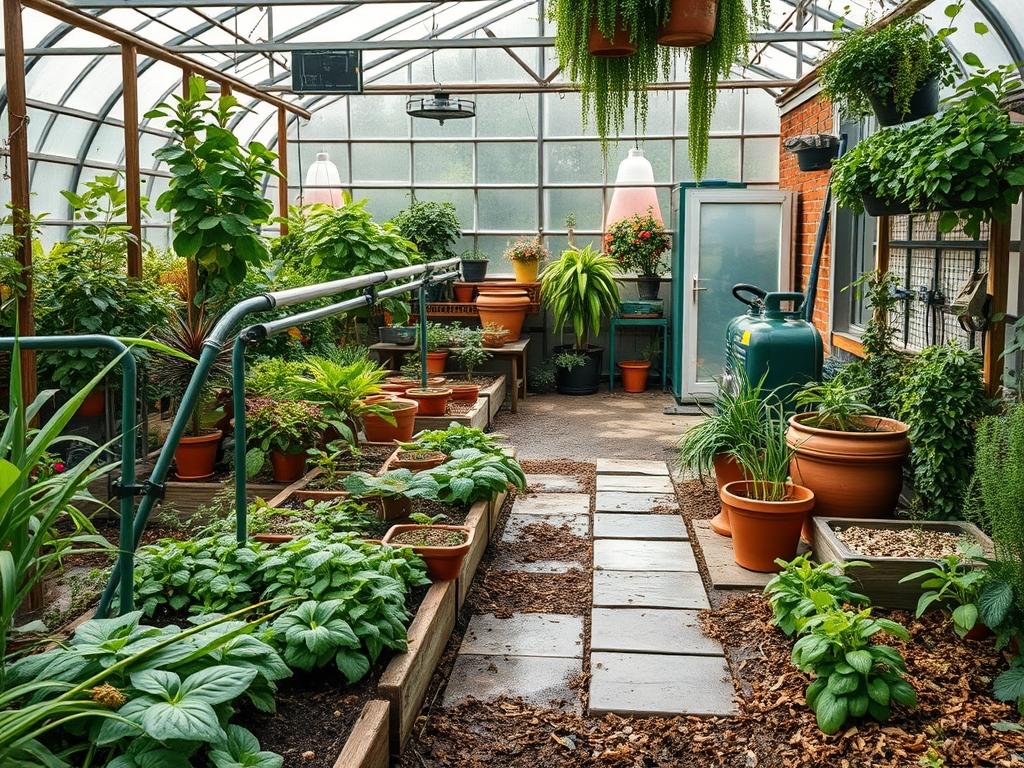
Maintaining the aesthetic and structural integrity of an outdoor living space requires a nuanced understanding of how hardscapes interact with the surrounding biological environment. A weathered, stained patio often serves as the most significant detractor from a home curb appeal, yet the process of restoration through pressure washing patios is frequently misunderstood as a simple task of high pressure application. In reality, the intersection of specialized cleaning and landscape preservation is where professional excellence resides. A landscape architect views the patio not just as a stone surface, but as the anchor of an outdoor room that must harmonize with transitions in elevation, soil health, and seasonal growth cycles. When grime, lichen, and atmospheric pollutants accumulate, they do more than dull the color of the stone; they can create slip hazards and harbor fungal spores that eventually migrate to sensitive plant species nearby.
Properly executed maintenance involves more than water pressure. It requires a comprehensive assessment of the drainage patterns and the chemical sensitivity of the bordering flora. The climate plays a pivotal role in this maintenance schedule, as humidity levels dictate the speed of biological regrowth while temperature fluctuations influence the expansion and contraction of masonry joints. Neglecting the cleanliness of hard surfaces often leads to a degraded outdoor functionality, where the space feels disconnected from the carefully curated garden. By integrating a systematic approach to cleaning into the broader landscape management plan, homeowners can ensure that their structural investments remain as vibrant as their perennial borders.
Landscape Design Principles
Effective landscape design relies on the core concepts of symmetry and visual balance to guide the eye across different functional zones. When planning a space that includes significant hardscaping, the patio acts as the primary focal point from which all other elements radiate. Symmetry can be achieved through the geometric alignment of walkways and planting beds, but it must be tempered by the organic textures of the foliage. Architects often use elevation layers to create depth, utilizing Retaining Walls and tiered garden beds to move the viewer gaze vertically. This layering is not merely aesthetic; it serves a structural purpose by managing the flow of runoff during heavy rain or during the process of pressure washing patios.
Irrigation planning is another critical design principle that must be coordinated with hardscape layouts. Subsurface drainage systems should be designed to whisk water away from the patio foundation to prevent settling or cracking over time. Furthermore, the selection of walkways influences the overall rhythm of the garden. Whether using Flagstone, Pavers, or Poured Concrete, the choice of material dictates the maintenance requirements and the psychological feel of the path. A clean, well-maintained surface reinforces the intentionality of the design, ensuring that the transition from the structured patio to the wilder elements of the landscape feels seamless and professional.
Plant and Material Selection
| Plant Type | Sun Exposure | Soil Needs | Water Demand | Growth Speed | Maintenance Level |
| :— | :— | :— | :— | :— | :— |
| Buxus sempervirens | Full Sun to Shade | Well-Drained | Moderate | Slow | High (Pruning) |
| Lavandula angustifolia | Full Sun | Gritty/Alkaline | Low | Medium | Low |
| Miscanthus sinensis | Full Sun | Most Types | Low to Moderate | Fast | Low (Annual Cut) |
| Hydrangea macrophylla | Partial Shade | Rich/Moist | High | Medium | Moderate |
| Trachelospermum jasminoides | Full Sun to Part Shade | Fertile/Loamy | Moderate | Fast | Moderate |
| Ilex crenata | Full Sun to Part Shade | Slightly Acidic | Moderate | Slow to Medium | Moderate |
Implementation Strategy
The successful realization of a garden layout begins with precise Grading. Before a single stone is laid or a plant is settled into the earth, the land must be contoured to ensure that water moves away from the home foundation and the primary seating areas. Professional installers typically aim for a 2 percent slope to facilitate natural drainage. Once the skeleton of the landscape is established through Hardscaping, the focus shifts to Edging. Steel or heavy duty plastic edging provides a crisp boundary between the lawn and the garden beds, preventing the encroachment of aggressive turf grasses into the mulch zones.
When installing the softscape, a consistent Mulch Depth of 3 inches is recommended to suppress weeds and retain soil moisture; however, mulch should never touch the trunk of a tree or the stems of shrubs to avoid rot. During the process of pressure washing patios, it is vital to protect these newly established beds. High pressure water can displace mulch and erode the topsoil, while any detergents used must be biodegradable to prevent altering the pH of the soil. Utilizing a Silt Fence or temporary plastic sheeting can safeguard delicate root systems. Final touches, such as the placement of LED Path Lights and the fine tuning of the Drip Irrigation emitters, ensure that the garden is both functional and resilient.
Common Landscaping Failures
One of the most frequent errors in residential landscapes is a failure to account for long term growth. Root overcrowding occurs when trees or large shrubs are planted too close to the patio edge. Over time, the expanding root systems can exert enough force to lift heavy Pavers or crack Concrete Slabs, necessitating expensive repairs. Similarly, improper spacing of plants leads to poor air circulation, which invites powdery mildew and other pathogens that can thrive in the damp microclimate often found near hard surfaces.
Soil compaction is another silent killer of healthy landscapes. This often happens during construction or heavy maintenance cycles where foot traffic or equipment is concentrated in a small area. Compacted soil lacks the pore space necessary for oxygen and water to reach the roots, leading to stunted growth. Additionally, many homeowners ignore the hydrological impact of their cleaning routines. If the runoff from pressure washing patios is allowed to pool in a depression, it can drown the root systems of nearby Native Plants. Inefficient irrigation, such as sprays that hit the stone rather than the soil, also contributes to surface staining and mineral buildup, creating a cycle of constant cleaning and biological stress.
Seasonal Maintenance
Spring is the season of preparation and renewal. This is the optimal time for the initial deep clean of the hardscape to remove the salt and grit accumulated during the winter. Landscapers should inspect all Masonry Joints and replenish Polymeric Sand as needed. In the garden, this is when Organic Fertilizer is applied and early season pruning of Deciduous Shrubs is completed. By cleaning the patio early, you prevent the buildup of organic matter that can become more difficult to remove once the summer heat sets in.
Summer maintenance shifts toward hydration and preservation. As temperatures rise, monitoring the Irrigation System for leaks or clogged nozzles is paramount. High traffic on the patio during these months means more frequent “soft washes” to remove food spills or pollen. In Autumn, the focus turns to debris management. Fallen leaves must be cleared promptly from stone surfaces, as the tannins in the foliage can leave permanent stains if left to rot in the rain. Finally, Winter is a period of dormancy, but it requires vigilance regarding snow removal. Avoiding harsh chemical deicers on the patio will protect both the stone finish and the dormant perennials in the adjacent beds.
Professional Landscaping FAQ
How does pressure washing affect patio stone longevity?
When performed with the correct PSI and nozzle tip, pressure washing removes destructive organic growth like moss and lichen. These organisms can trap moisture and cause freeze thaw damage, so professional cleaning actually extends the structural lifespan of the material.
Can I wash my patio near delicate flowers?
Yes, provided you use a low pressure setting and avoid harsh chemicals. Saturating the soil with fresh water before and after the process helps dilute any runoff, protecting the Root Zones of sensitive species from accidental exposure to cleaning agents.
What is the best way to prevent weeds between pavers?
The most effective method is maintaining the integrity of the Polymeric Sand in the joints. After a thorough cleaning, let the surface dry completely before sweeping in new sand and misting it to activate the binding polymers.
How often should a professional cleaning occur?
A full restorative cleaning is typically recommended every two to three years. However, an annual light rinse helps manage seasonal debris and prevents the heavy accumulation of stains that would eventually require much higher pressure to remove effectively.
Does patio cleaning impact the local drainage system?
If the landscape is graded correctly, the wash water should move toward designated Drainage Swales or permeable areas. It is important to ensure that large amounts of silt displaced during cleaning do not clog the French Drains or catch basins.