
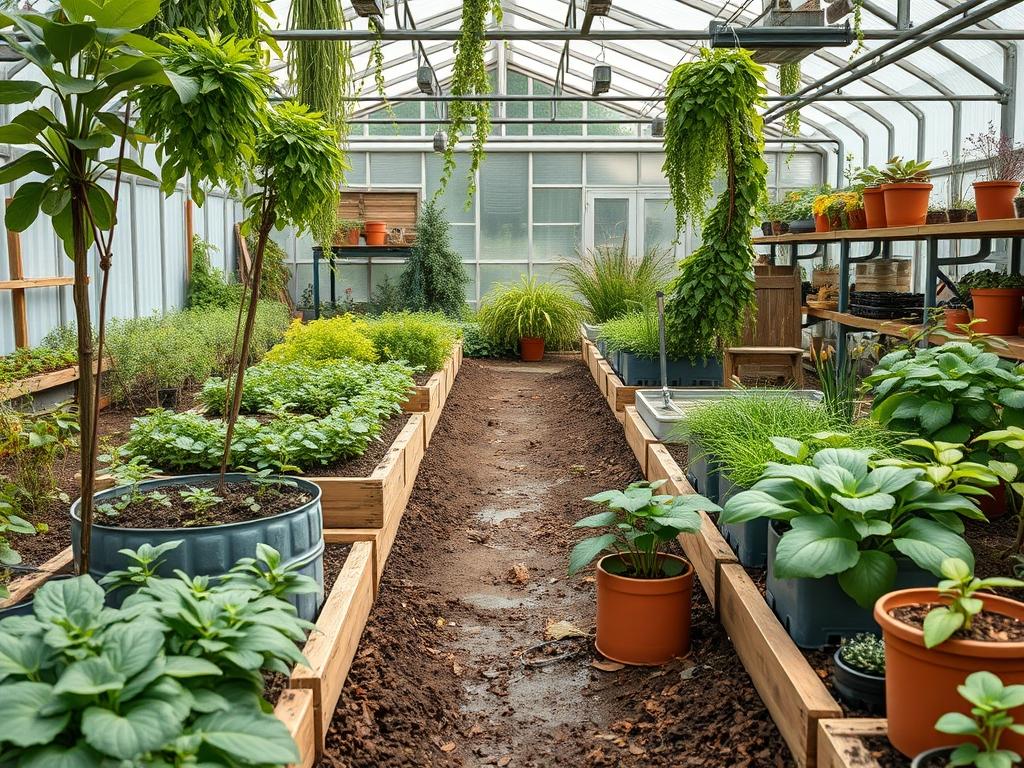
Designing a modern residential landscape requires a sophisticated balance between aesthetic elegance and functional safety, especially when the primary users are young children. While many homeowners prioritize curb appeal and exotic foliage, the professional consultant must look deeper at the botanical toxicity, physical hazards, and long term resilience of every specimen introduced to the environment. A successful backyard serves as a living classroom and a private sanctuary; therefore, we must select Kid-Safe Garden Plants that withstand heavy foot traffic, lack thorns or caustic saps, and provide sensory engagement without posing a medical risk. Proper site analysis begins with understanding the local climate and drainage patterns of the lot. By evaluating the elevation and existing soil health, we can create a tiered landscape that looks curated while remaining entirely approachable for a family. This strategy ensures that the garden is not a “look but don’t touch” museum, but a high performance outdoor living space that enhances the property value and the quality of life for all inhabitants.
When we approach the architecture of the backyard, we are essentially managing the intersection of biology and engineering. The choice of vegetation must be supported by a robust infrastructure, including high quality irrigation systems and strategically placed hardscaping elements. Children often interact with the landscape in ways adults do not, crawling through groundcovers or hiding behind shrubs, which necessitates a plant palette that is non toxic upon contact or accidental ingestion. Furthermore, the topography of the yard should be designed to minimize erosion while maximizing usable play area. Utilizing retaining walls can create flat, usable planes on sloped lots, providing safe zones for running and play while adding visual interest through vertical layering. Every plant selected for this environment serves a purpose, whether it is providing shade, attracting beneficial pollinators, or offering a soft texture for sensory exploration.
Landscape Design Principles
Effective landscape design for families relies on the principle of zoning. We create distinct areas for active play, quiet contemplation, and social gathering by using plants and paths as organic dividers. Walkways should be wide enough for two people to walk abreast, typically at least 48 inches, and constructed from stable materials like broom finished concrete or tightly packed crushed stone to prevent tripping. Symmetry in the planting beds provides a sense of order and calm, while intentional focal points, such as a large Purple Coneflower drift or a safe water feature, draw the eye through the space and create a narrative for the garden.
Elevation layers are crucial for adding depth and ensuring that smaller plants are not lost behind larger shrubs. We typically design in three tiers: the canopy (trees), the mid story (shrubs and tall perennials), and the ground plane (groundcovers and turf). In a kid safe environment, we avoid dense, thorny hedges that could hide hazards or trap a stray ball. Instead, we use soft, airy plants like Lavender or Cosmos to define borders. Visual balance is achieved by repeating colors and textures throughout the site, which homogenizes the design and makes the environment feel intentional. Finally, all design work must account for irrigation planning, ensuring that water is delivered directly to the root zones via drip lines rather than high pressure spray heads that might invite children to play with sensitive equipment.
Plant and Material Selection
The following table highlights fifteen Kid-Safe Garden Plants that offer high aesthetic value and low risk for residential environments.
| Plant Type | Sun Exposure | Soil Needs | Water Demand | Growth Speed | Maintenance Level |
| :— | :— | :— | :— | :— | :— |
| Lavender | Full Sun | Well-Drained | Low | Moderate | Low |
| Sunflowers | Full Sun | Loamy/Rich | Moderate | Fast | Low |
| Snapdragons | Full/Part Sun | Well-Drained | Moderate | Moderate | Medium |
| Marigolds | Full Sun | Any Sun | Moderate | Fast | Low |
| Hens and Chicks | Full Sun | Sandy/Dry | Low | Slow | Very Low |
| Lamb’s Ear | Full/Part Sun | Well-Drained | Low | Moderate | Low |
| Lemon Balm | Full/Part Sun | Moist/Rich | Moderate | Fast | Moderate |
| Cosmos | Full Sun | Any/Poor | Low | Fast | Low |
| Zinnias | Full Sun | Well-Drained | Moderate | Fast | Low |
| Nasturtiums | Full Sun | Any/Poor | Low | Fast | Low |
| Purple Coneflower | Full Sun | Well-Drained | Low | Moderate | Low |
| Blueberries | Full Sun | Acidic/Peat | Moderate | Slow | Medium |
| Sweet Alyssum | Full/Part Sun | Well-Drained | Moderate | Fast | Low |
| Coreopsis | Full Sun | Dry/Rocky | Low | Moderate | Low |
| Phlox | Full/Part Sun | Moist/Rich | Moderate | Moderate | Medium |
Implementation Strategy
Implementing a kid safe landscape begins with professional grading to move water away from the home foundation and designated play areas. Any standing water can lead to slippery surfaces or become a breeding ground for insects. After the site is leveled and the primary drainage systems are installed, we mark out the beds using a flexible edging material, such as heavy duty steel or recycled plastic, to create a permanent barrier between the lawn and the planting zones. This prevents mulch from spilling onto the grass and keeps the mower or string trimmer away from the delicate stems of your new plants.
Once the beds are prepped, add a high quality soil amendment like organic compost to ensure the plants have the nutrients required for rapid establishment. When planting, pay close attention to the spacing recommendations; a common error is planting for immediate impact rather than long term growth. After the specimens are in the ground, apply a layer of shredded cedar mulch at a depth of 3 inches. This depth is optimal for moisture retention and weed suppression without suffocating the root systems. For areas under play equipment, consider a specialized “certified playground mulch” which provides a higher impact absorption rating than standard decorative bark. Complete the project by installing a smart irrigation controller that can be programmed to run during the early morning hours, ensuring the foliage is dry before the children go outside to play.
Common Landscaping Failures
One of the most frequent mistakes in backyard design is ignoring the potential for soil compaction. In high traffic areas, the weight of repetitive foot traffic squeezes the air out of the soil, making it impossible for roots to breathe or for water to penetrate. This often results in “dead zones” where even the hardiest native plants struggle to survive. To prevent this, architects design designated paths and use groundcovers that can withstand occasional treading.
Another failure involves improper drainage planning. If a patio or play structure is built at the bottom of a slope without a French drain or similar mitigation, it will inevitably flood. The result is not just a muddy mess, but potential structural damage to retaining walls or wooden play sets. Furthermore, many homeowners fail to research the mature size of their plants. Root overcrowding can lead to cracked walkways and can eventually starve neighboring plants of nutrients. Investing in a professional site plan that accounts for the ten year growth window is essential for a sustainable, safe environment. Lastly, the use of chemical pesticides or herbicides in a kid safe zone is a critical error; instead, lean toward integrated pest management and natural fertilizers to keep the environment healthy for small hands and curious pets.
Seasonal Maintenance
Maintaining a family friendly backyard is a year round commitment that evolves with the seasons. In the Spring, the focus is on inspection and rejuvenation. This is the time to check retaining walls for shift or frost heave, replenish mulch levels to the standard 3 inch depth, and prune any deadwood from trees that might pose a falling hazard. It is also the ideal window for dividing perennials like Purple Coneflower and Coreopsis to keep them vigorous.
During the Summer, the priority shifts to irrigation management and weed control. Check the drip lines for clogs or leaks and adjust the timing based on local heat waves. Frequent deadheading of annuals like Zinnias and Snapdragons will encourage continuous blooming and keep the garden looking vibrant. In the Autumn, perform a thorough cleanup by removing fallen leaves which can become slippery when wet. This is also the best time to plant new shrubs and trees, as the cooler temperatures allow for root development without the stress of summer heat. In the Winter, protect sensitive plants with burlap wraps if necessary, and inspect the structural integrity of all hardscaping. Clear snow and ice using pet and kid safe de icers that do not contain harsh salts that could damage the soil chemistry or the paws of family dogs.
Professional Landscaping FAQ
Are all flowers safe for children to touch?
No, many common landscape plants like Oleander or Foxglove are highly toxic. Always verify the safety of a species before planting. Stick to known non toxic options like Marigolds and Snapdragons for high traffic zones.
How deep should my mulch be in play areas?
For standard garden beds, 3 inches is sufficient. However, for specialized play zones under swings or climbing structures, a depth of 9 to 12 inches of certified play mulch is recommended to provide adequate fall protection.
What is the best way to prevent muddy spots?
Ensure the backyard has a 2 percent grade away from play areas. If the soil is heavy clay, incorporate organic matter and consider installing a French drain or a dry creek bed to redirect excess surface water.
How do I choose the right plants for my climate?
Consult the USDA Plant Hardiness Zone Map to determine your specific zone. Choose native plants whenever possible, as they are naturally adapted to your local rainfall and temperature fluctuations, requiring less chemical intervention and water.
Is drip irrigation better than oscillating sprinklers?
Yes, drip irrigation delivers water directly to the root zone, reducing evaporation and keeping foliage dry. This minimizes fungal diseases and ensures that walking paths and play equipment remain dry and safe for immediate use.