
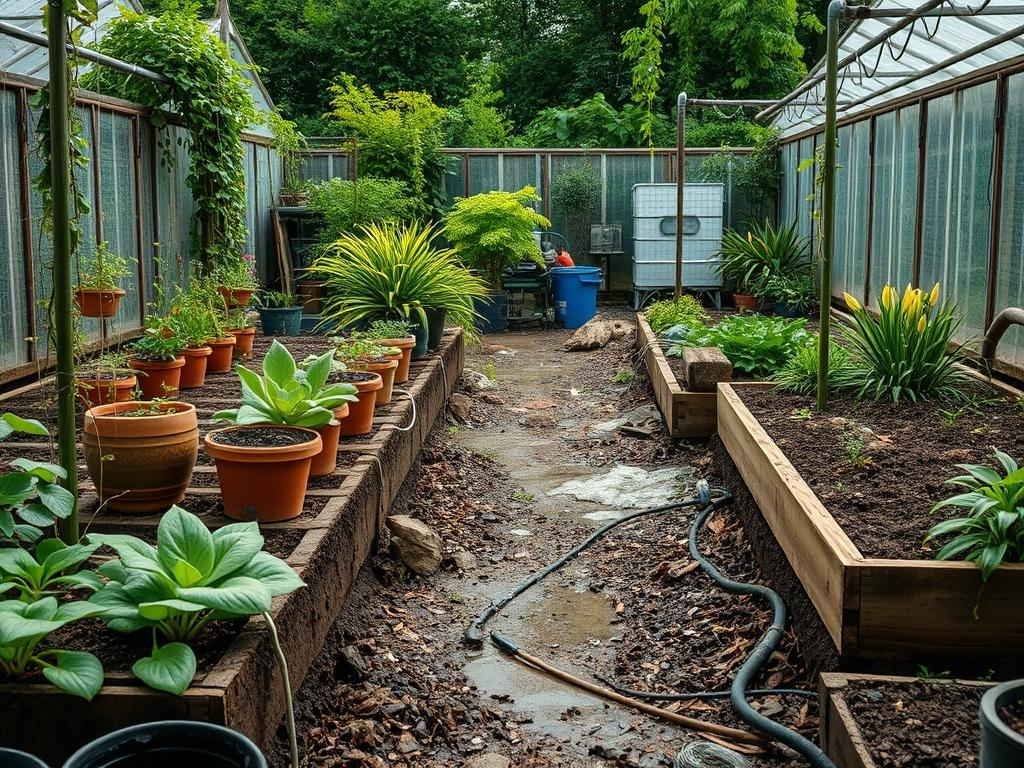
Water follows the path of least resistance, often transforming a manicured lawn into a muddy liability during heavy rain cycles. As a landscape architect, I see property owners struggle with erosion, basement seepage, and drowned vegetation that could have been avoided with a comprehensive master plan. Effectively managing backyard water runoff is not simply about moving water away from a house; it is about controlling the velocity, volume, and quality of that water as it traverses your site. Proper drainage design serves as the invisible backbone of any high end landscape, protecting your financial investment while enhancing the ecological health of the local watershed. When we approach a site, we look at the topography to see how we can turn a functional necessity into an aesthetic asset. A yard that handles water efficiently maintains its curb appeal year round, staying firm underfoot and vibrant even during the most humid or saturated seasons.
Landscape Design Principles
Successful runoff management requires a sophisticated understanding of symmetry and elevation layers. We begin by identifying the highest and lowest points on the property using a transit level or a laser level. The primary goal is to establish a positive grade, where the soil slopes away from the foundation at a minimum of 6 inches of drop within the first 10 feet. This ensures that hydrostatic pressure does not build up against basement walls. Visual balance is achieved by integrating functional drainage elements into the broader design. For example, a dry creek bed can act as a primary focal point, using a mix of river rock, fieldstone, and boulders to mimic a natural waterway. This provides a clear path for storm water while adding texture and movement to the garden.
Walkways and seating areas must be planned with permeability in mind. Instead of traditional poured concrete, we often specify permeable pavers or flagstone set in decomposed granite. These materials allow water to infiltrate the ground where it falls, reducing the burden on municipal storm systems. Irrigation planning must also be synchronized with these drainage patterns. We avoid placing high water demand plants in areas that naturally stay dry, and we group moisture loving species in depression zones or bio-swales. This layering of elevation and vegetation creates a resilient environment that can withstand both droughts and deluges.
Plant and Material Selection
Selecting the right biological and mineral components is critical for a high performance landscape. We choose plants based on their ability to tolerate “wet feet” while providing deep root structures that stabilize the soil.
| Plant Type | Sun Exposure | Soil Needs | Water Demand | Growth Speed | Maintenance Level |
| :— | :— | :— | :— | :— | :— |
| River Birch | Full Sun/Partial Shade | Acidic, Moist | High | Fast | Moderate |
| Blue Flag Iris | Full Sun to Part Shade | Rich, Boggy | High | Medium | Low |
| Switchgrass | Full Sun | Adaptable | Moderate | Fast | Low |
| Redtwig Dogwood | Full Sun/Partial Shade | Moist, Well-drained | Moderate to High | Medium | Low |
| Serviceberry | Full Sun/Partial Shade | Loamy, Moist | Moderate | Medium | Moderate |
| Bald Cypress | Full Sun | Deep, Wet | High | Fast | Low |
In addition to plant life, we utilize specific aggregates to facilitate movement. 3/4-inch washed stone is the standard for French drains, as it provides ample void space for water to flow through a perforated PVC pipe. For surfacing, wood chips or shredded hardwood mulch are preferred over light materials like pine straw, which tend to float away during significant rain events.
Implementation Strategy
The execution of a drainage plan begins with a clean slate and a clear site map. First, we establish the primary sub-surface drainage lines. This involves trenching to a depth of at least 18 inches, ensuring a consistent downhill slope toward a safe discharge point, such as a dry well or a municipal storm sewer connection. We line these trenches with non-woven geotextile fabric to prevent soil particles from clogging the system over time. Once the 4-inch perforated pipe is laid and covered with washed gravel, the fabric is wrapped over the top like a burrito.
Next comes the surface grading. Using a skid steer or manual landscaping rakes, we shape the land into gentle swales. These are wide, shallow channels designed to slow down surface water and encourage infiltration. The edges of the swales are softened with riprap or hardy groundcovers to prevent the soil from washing out. If the site has significant elevation changes, we install retaining walls built from interlocking concrete blocks or natural stone. These walls must include weep holes to allow trapped moisture to escape from behind the structure. Finally, we apply a 3-inch layer of mulch to all planting beds. This layer acts as a hydraulic buffer, absorbing the initial impact of raindrops and preventing soil crusting, which can increase runoff.
Common Landscaping Failures
The most frequent mistake in residential drainage is the “point and shoot” method, where downspout extensions are simply directed toward a neighbor’s property or a low spot in the lawn without a managed exit. This leads to soil compaction and massive puddling. Compacted soil loses its pore space, making it as impermeable as concrete and causing even minor rains to flood the garden. Another common failure is root overcrowding. When large trees like Willows are planted too close to drainage pipes, their roots eventually seek out the moisture and infiltrate the perforations, causing a total system blockage that is expensive to remediate.
Improper spacing of plants also contributes to erosion. If there is too much bare earth between shrubs, the water gains velocity as it moves across the soil. We often see irrigation inefficiencies where sprinkler heads are set to a fixed timer regardless of rain, leading to saturated ground that cannot absorb additional storm water. Over-mulching is another issue; if the mulch depth exceeds 4 inches, it can become a matted barrier that prevents water and oxygen from reaching the plant roots, paradoxically causing both runoff and plant dehydration.
Seasonal Maintenance
A high functioning landscape requires consistent oversight across all four seasons. In the spring, the focus is on inspection and repair. We check the outlets of all French drains and catch basins for debris that may have accumulated during the winter thaw. This is also the time for core aeration of the lawn, which breaks up compaction and improves the soil’s “sponge” capacity. During the summer, we monitor the moisture levels of rain gardens and ensure that the swales are not being overgrown by invasive weeds that could impede water flow.
Autumn is the most critical period for maintenance. Falling leaves can quickly clog drainage grates and gutters. We recommend cleaning these areas weekly during the peak of leaf drop. If organic matter is allowed to rot inside a catch basin, it creates a thick sludge that is difficult to remove. In winter, the priority shifts to snow management. We ensure that snow from driveways is not piled on top of drainage outlets. When the snow melts, it needs a clear, unobstructed path to the managed drainage systems to prevent ice dams from forming in the yard.
Professional Landscaping FAQ
How do I know if I need a French drain or a swale?
Swales are surface solutions that use gravity and vegetation to move and infiltrate water. French drains are subsurface systems designed to move high volumes of water away from structures via perforated pipes and gravel-filled trenches.
Will a rain garden attract mosquitoes to my backyard?
A properly designed rain garden will not breed mosquitoes. The water should fully infiltrate the soil within 24 to 48 hours, which is much faster than the 7 to 10 days required for mosquito larvae to hatch and mature.
Can I use plastic edging to contain water runoff?
Standard plastic edging is usually insufficient for water management. While it defines a border, it can often act as a dam, trapped water where you do not want it. Natural grading or stone edging provides much better results.
What is the best way to stop hill erosion quickly?
Installing erosion control blankets or jute netting provides immediate stabilization. Once the netting is pinned down, you can plant through it using fast growing species like Creeping Juniper or Switchgrass to bind the soil with their roots.
Is it necessary to use filter fabric in every drain?
Yes, landscape fabric is essential for longevity. Without a protective barrier, fine silt and clay particles will eventually migrate into the washed stone and pipe perforations, rendering your entire drainage system useless within just a few seasons.