
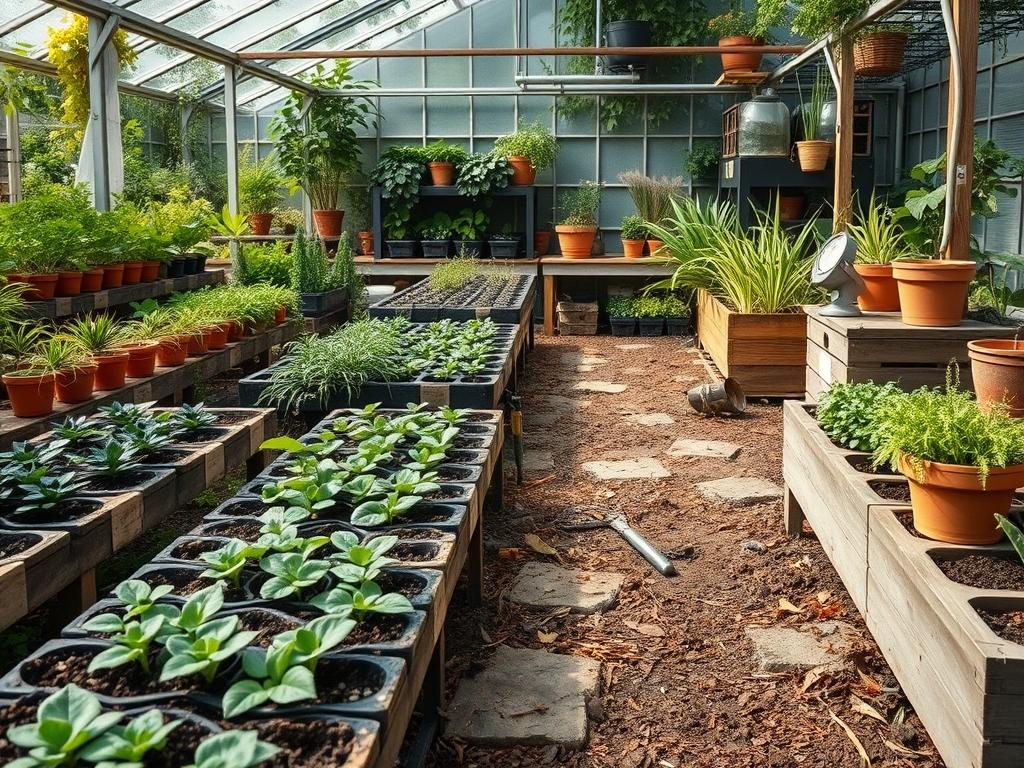
Sustainable hardscaping represents the intersection of structural integrity and ecological responsibility. Modern landscape architecture has shifted away from the traditional model of sprawling, impermeable concrete toward systems that manage stormwater, reduce heat island effects, and promote long term biodiversity. When you approach a new project, the primary challenge lies in balancing aesthetic curb appeal with the functional demands of the local climate. A well designed environment must withstand heavy rainfall, periods of drought, and the physical stresses of foot traffic while remaining a cohesive extension of the home. This requires a thorough understanding of how hard materials, such as permeable pavers, decomposed granite, and natural stone, interact with the softscape elements of the site.
The functionality of an outdoor living space is determined by how efficiently it directs movement and manages resources. Designers must consider the site topography to ensure that water does not pool near the foundation of the home. By integrating sustainable hardscape tips into the initial planning phase, you can create a landscape that requires fewer inputs of water and manual labor over time. This approach treats the garden not as a collection of isolated features, but as a living system where हर piece of flagstone or retaining wall block serves a dual purpose of beauty and environmental utility.
Landscape Design Principles
Effective landscape design starts with the establishment of symmetry and visual balance. This does not necessarily mean creating a mirror image on either side of a path; rather, it involves distributing visual weight evenly across the site. Using focal points, such as a sculptural basalt fountain or a specimen tree like a Japanese Maple, allows the eye to rest and provides a sense of order. These elements should be positioned along primary sightlines from windows or entryways to maximize the seasonal enjoyment of the space even when the occupants are indoors.
Elevation layers are critical for creating depth and interest in a flat yard. By utilizing modular retaining walls or terraced garden beds, you can introduce verticality that highlights different plant textures. These changes in height also provide an opportunity to manage drainage. Each level can act as a natural filter, slowing down runoff and allowing it to percolate into the soil. When planning walkways, consider the rhythm of the gait. Use 36 inch wide paths for secondary routes and 48 inch or wider paths for primary thoroughfares to ensure comfortable passage for two people.
Irrigation planning must be integrated into the hardscape layout from the beginning. Installing conduit pipes under permanent walkways before the stone is laid prevents the need for destructive excavations later. The goal is to create distinct hydrozones where plants with similar water needs are grouped together. This efficiency is bolstered by the use of smart irrigation controllers and drip lines that deliver moisture directly to the root zones, minimizing evaporation and runoff. Visual balance is then achieved by matching the scale of the hardscape to the mass of the surrounding vegetation, ensuring that stone elements do not overwhelm the delicate textures of the garden.
Plant and Material Selection
Selecting the right materials and flora is the backbone of sustainability. The following table provides a guide for choosing plants that complement sustainable hardscape features by offering low maintenance and high resilience.
| Plant Type | Sun Exposure | Soil Needs | Water Demand | Growth Speed | Maintenance Level |
| :— | :— | :— | :— | :— | :— |
| Little Bluestem | Full Sun | Poor to Average | Low | Moderate | Low |
| Oakleaf Hydrangea | Part Shade | Well drained, Rich | Medium | Moderate | Medium |
| Creeping Thyme | Full Sun | Rocky, Sandy | Low | Fast | Low |
| Purple Coneflower | Full Sun | Versatile | Low | Fast | Low |
| Blue Oat Grass | Full Sun | Well drained | Low | Moderate | Low |
| Christmas Fern | Shade | Moist, Loamy | Medium | Slow | Low |
For materials, prioritize locally sourced natural stone to reduce the carbon footprint associated with transportation. Permeable pavers are an excellent choice for driveways and patios, as they allow water to pass through the joints into a crushed stone base, recharging the local groundwater. Similarly, river rock can be used in dry creek beds to manage overflow during peak storm events while providing a rugged, natural aesthetic that requires zero irrigation.
Implementation Strategy
The transition from design to physical installation requires a methodical approach to grading and soil preparation. Begin by marking the site with surveyor’s stakes and marking paint to visualize the footprint of all hardscape elements. Grading is perhaps the most vital step. The ground must be sloped away from structures at a minimum of a 2 percent grade, which equates to a 1/4 inch drop for every foot of distance. This keeps the basement and foundation dry.
Once the grade is established, excavate the areas for walkways and patios. For a standard pedestrian path, a sub base of 4 to 6 inches of compacted 3/4 inch minus gravel is necessary to prevent settling. Lay down a high quality geotextile fabric between the soil and the gravel to prevent the layers from mixing, which preserves the structural integrity of the base. If you are installing edging, such as galvanized steel or heavy duty composite, ensure it is anchored with 12 inch spikes to keep the pavers or mulch in place over time.
For planting beds adjacent to the hardscape, focus on soil health. Incorporate organic compost into the top 8 inches of soil to improve tilth and water retention. After planting, apply a layer of hardwood mulch at a depth of exactly 3 inches. This thickness is the industry standard for suppressing weeds and maintaining soil temperature without suffocating the root systems of the plants. Ensure that mulch is kept a few inches away from the trunks of trees and the crowns of shrubs to prevent rot.
Common Landscaping Failures
One of the most frequent mistakes in professional landscaping is the failure to account for the mature size of plants. Root overcrowding occurs when trees or large shrubs are placed too close to retaining walls or paver patios. Over time, the pressure from expanding root systems can heave stone and crack concrete. Always research the mature spread of a species and provide a minimum buffer of 5 feet between large woody roots and significant hardscape structures.
Drainage mistakes often stem from a lack of “daylighting” for pipes. If you install a French drain or a catch basin, the water must have a clear, gravity fed exit point. Soil compaction is another silent killer of landscapes. During construction, heavy machinery compresses the soil pores, stripping the earth of the oxygen necessary for plant survival. If a site has been compacted, use a power aerator or a subsoil ripper to restore the soil structure before any planting begins. Irrigation inefficiencies, such as spray heads hitting the side of the house or the middle of a stone path, lead to significant water waste and can cause premature weathering of hardscape materials.
Seasonal Maintenance
A sustainable landscape is not a maintenance free landscape; it is a managed ecosystem. In the Spring, focus on cleaning out the joints of your permeable pavers. Use a stiff brush or a vacuum to remove organic debris that could clog the drainage gaps. Inspect all irrigation emitters for clogs and ensure the backflow preventer is functioning correctly. This is also the time to apply a fresh 1 inch top dress of mulch if the previous year’s layer has decomposed.
During the Summer, maintenance shifts to water management. Monitor the soil moisture levels and adjust your smart controller based on local heat waves. Prune any spent blooms from perennials to encourage a second flush of growth. In Autumn, the priority is leaf management. Do not allow thick layers of leaves to sit on stone patios or turfgrass, as they can cause staining and fungal issues. This is the ideal time to plant new trees and shrubs, as the cooler temperatures and increased rainfall allow roots to establish before the ground freezes.
When Winter arrives, protect your hardscape investments by avoiding the use of harsh de icing chemicals. Standard rock salt can pit the surface of pavers and damage the chemistry of the adjacent soil. Use plain sand for traction instead. Ensure that all garden hoses are disconnected and exterior spigots are drained to prevent pipe bursts during a hard freeze. Winter is also the perfect time to evaluate the “bones” of the garden and plan for structural adjustments in the coming year.
Professional Landscaping FAQ
How do permeable pavers help the environment?
Permeable pavers allow rainwater to filter through the ground instead of running off into storm drains. This reduces erosion, filters out pollutants naturally through the soil layers, and helps maintain the local water table at healthy levels.
What is the best mulch depth for weed control?
A depth of 3 inches is ideal for most garden beds. This thickness provides enough shade to prevent weed seeds from germinating while allowing oxygen and moisture to reach the root systems of your desired plants.
How do I prevent my retaining wall from leaning?
Ensure a solid foundation of 6 inches of compacted gravel and include a perforated drain pipe behind the wall. This pipe relieves hydrostatic pressure by directing water away from the back of the stones, preventing structural failure.
Can I use native plants with formal hardscaping?
Absolutely. Using native plants like Switchgrass or Coneflower provides the hardiness required for sustainable designs. When planted in clean rows or patterns, they maintain the structured look of formal gardens while supporting local pollinators and wildlife.
Why is soil testing important before hardscaping?
A soil test reveals the drainage capacity and pH level of your land. Knowing if your soil is heavy clay or loose sand dictates the type of sub base needed for stone work and which plants will thrive.