
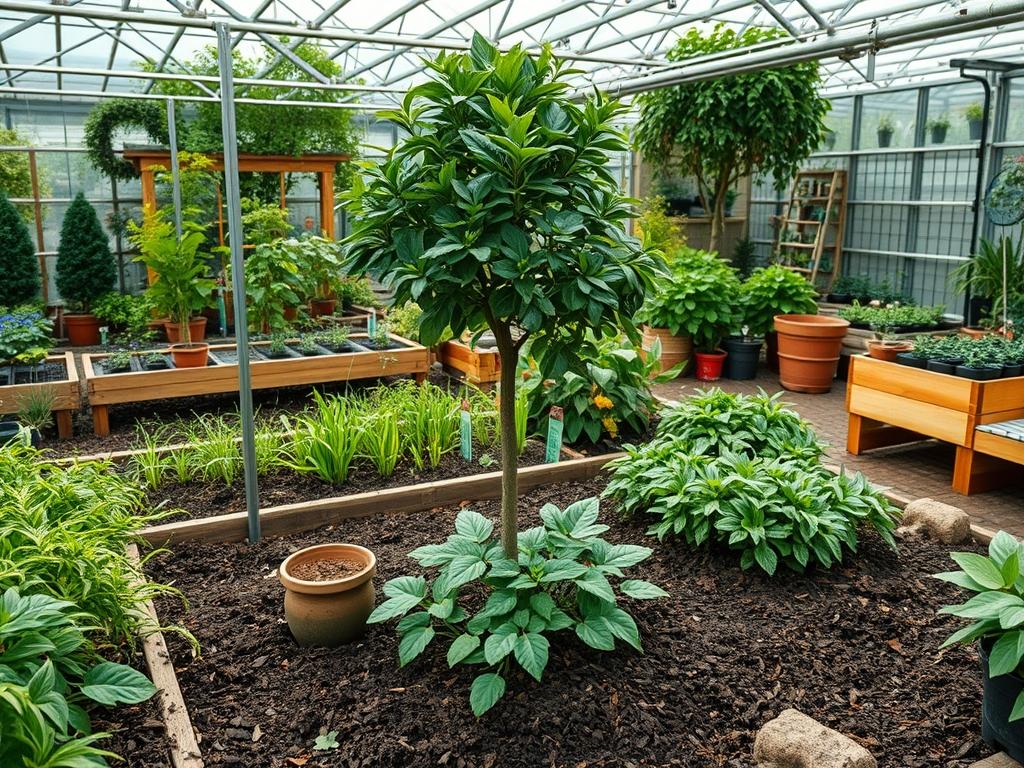
Designing for a limited footprint requires an analytical approach to spatial density and vertical architecture. In many urban and suburban environments, the primary challenge is achieving a sense of enclosure and privacy without overwhelming the square footage or compromising the structural integrity of nearby foundations. When selecting small yard tree ideas, a landscape architect must consider the mature height, canopy spread, and root morphology of each specimen. A tree that looks appropriate in a 5 gallon nursery pot can quickly become a liability if its root system interferes with underground drainage pipes or if its branches scrape against the siding of the home. Beyond simple aesthetics, trees in small spaces serve as functional tools for climate control; they provide natural shade to reduce cooling costs and act as soft buffers against neighborhood noise.
Strategic placement is the foundation of effective curb appeal. A well positioned tree provides a psychological “anchor” for the property, guiding the eye toward the entrance or framing a specific architectural feature. For small backyards, the goal is often to create an outdoor living room where the foliage acts as a ceiling. This requires a deep understanding of USDA hardiness zones and microclimates. A courtyard might be several degrees warmer than the front lawn due to heat radiation from brick pavers or stone walls. Therefore, selecting species that can tolerate reflected heat is just as vital as ensuring they fit the physical dimensions of the site. Success in a limited space is measured by how well the landscape balances biological needs with the rigid constraints of the built environment.
Landscape Design Principles
Applying professional design principles to small yards involves high precision regarding symmetry and focal points. In a restricted area, even a minor misalignment can disrupt the visual flow. We often utilize the concept of “elevation layers” to create an illusion of greater depth. By placing a taller, narrow tree like a Skyrocket Juniper in the background and layering it with mid-sized shrubs and low lying groundcover, you create a tiered effect that pushes the visual boundary of the yard outward. Focal points are equally crucial. A single, high quality specimen tree, such as a Bloodgood Japanese Maple, should be the primary destination for the eye. This prevents the yard from feeling cluttered by too many competing elements.
Symmetry can be achieved through “mirrored planting” along walkways or flanking a patio. However, asymmetrical balance is often more effective in modern small yard design. Positioning a tree off center while balancing its visual weight with a retaining wall or a cluster of large boulders creates a more dynamic and naturalistic environment. Irrigation planning must be integrated into the design phase rather than added as an afterthought. For small spaces, drip irrigation systems are superior to traditional spray heads because they deliver water directly to the root zone, reducing runoff onto hardscaping and preventing fungal issues on the foliage. Proper planning also includes the use of root barriers, which are high density polyethylene sheets installed vertically in the ground to redirect roots downward, protecting your pavers and retaining walls from future heaving or cracking.
Plant and Material Selection
The following table outlines the most effective species for confined environments, focusing on growth habits that complement limited horizontal space.
| Plant Type | Sun Exposure | Soil Needs | Water Demand | Growth Speed | Maintenance Level |
| :— | :— | :— | :— | :— | :— |
| Japanese Maple | Partial Shade | Loamy, Acidic | Moderate | Slow | Medium |
| Serviceberry | Full Sun/Part Shade | Well-Drained | Moderate | Medium | Low |
| Skyrocket Juniper | Full Sun | Adaptable | Low | Fast | Low |
| Flowering Dogwood | Partial Shade | Rich, Moist | Moderate | Medium | Medium |
| Crape Myrtle | Full Sun | Well-Drained | Low to Moderate | Fast | Medium |
| Dwarf Magnolia | Full Sun | Neutral to Acidic | Moderate | Slow | Low |
| Star Magnolia | Full Sun/Part Shade | Loamy | Moderate | Slow | Low |
When selecting materials to accompany these trees, high quality organic mulch is essential for moisture retention and temperature regulation. We recommend a 3 inch layer of double shredded hardwood mulch, kept away from the direct contact of the tree trunk to prevent bark rot. For the structural elements, natural stone or interlocking concrete pavers should be chosen based on their permeability to allow oxygen to reach the tree roots.
Implementation Strategy
Executing a professional backyard layout begins with a thorough site analysis. Before any shovels enter the ground, you must mark all underground utility lines and check the grading of the lot. Proper grading ensures that water moves away from the house foundation while still reaching the newly planted trees. If the site has poor natural drainage, you may need to install a French drain or a catch basin prior to planting. Once the site is prepared, the planting hole should be dug at least two to three times the width of the root ball but no deeper than the root ball itself. This encourages lateral root growth, which is vital for the stability of the tree.
After placing the tree in the center of the hole, backfill with the native soil unless it is heavily compacted or lacks organic matter. In cases of poor soil quality, a mix of 70 percent native soil and 30 percent compost or soil conditioner is ideal. Use a hand trowel to eliminate air pockets as you fill. Once the tree is set, install a soaker hose or a drip line around the drip line of the canopy. Finish the installation by applying a consistent layer of mulch and installing landscape edging to create a clean border between the tree bed and the lawn or walkway. This edging prevents grass from encroaching on the tree’s nutrient supply and provides a polished, professional finish.
Common Landscaping Failures
The most frequent mistake in small yard landscaping is the “bathtub effect.” This occurs when a hole is dug in heavy clay soil and filled with light, porous potting mix. During heavy rain, the hole fills with water that cannot escape through the surrounding clay, essentially drowning the roots of the tree. To avoid this, ensure that the soil transition is gradual or select species that are specifically adapted to “wet feet.” Another common failure is improper spacing. Homeowners often plant trees based on their current size rather than their mature dimensions. Over time, the tree may grow into power lines or eaves, necessitated aggressive and unsightly pruning that ruins the natural form of the species.
Soil compaction is a silent killer of urban trees. During construction or hardscaping, heavy equipment often crushes the soil structure, eliminating the pore spaces required for oxygen and water movement. This leads to stunted growth and increased susceptibility to pests. If you are working in an area with compacted soil, use a broadfork or air spade to loosen the earth before planting. Lastly, many irrigation systems are set to a “one size fits all” schedule. Overwatering is just as damaging as underwatering. Monitoring the moisture at a 4 inch depth will provide a more accurate assessment of whether the tree needs supplemental hydration.
Seasonal Maintenance
Seasonal management is the key to longevity in a high density landscape. In the spring, focus on structural pruning. Remove any dead, damaged, or crossing branches with sharp bypass pruners or a pole saw. This is also the time to apply a slow release fertilizer to support the coming growth surge. During the summer, the priority shifts to hydration. Young trees in small yards are particularly vulnerable to drought stress because their root systems are confined. Deep, infrequent watering is more effective than daily light sprinkles; it encourages the roots to grow deeper into the soil profile.
Autumn is the season for soil health and winter preparation. Apply a fresh layer of mulch to insulate the roots against freezing temperatures and rake up fallen leaves to prevent the spread of fungal pathogens. For deciduous trees, this is also the best time to assess the overall “skeleton” of the garden and plan for any structural changes in the hardscape. During winter, protect young bark from “sunscald” or rodent damage using tree guards or wraps. Avoid using de-icing salts near the root zones of your trees, as the salt buildup can be toxic. Instead, use sand or birdseed for traction on nearby walkways.
Professional Landscaping FAQ
How close can I plant a small tree to my house?
Maintain a minimum distance of 10 feet for most small trees. This prevents root interference with the foundation and ensures the canopy has enough room to expand without scraping the siding or gutters, reducing future maintenance costs.
Do I need a permit to plant trees in my yard?
Generally, permits are not required for private residential planting. However, always check local ordinances and HOA guidelines. Also, you must call 811 before digging to locate underground utility lines, ensuring a safe installation process for your landscape.
How do I improve drainage in a small, sloped yard?
Install a French drain or a swale lined with river rock. These features direct excess surface water away from the tree’s root ball and the home’s foundation, preventing soil erosion and the “bathtub effect” in heavy clay.
Can I grow small trees in large containers or planters?
Yes, several species like Japanese Maples thrive in large weather-resistant pots. Ensure the container has adequate drainage holes and use a high quality potting mix. Container trees require more frequent watering and periodic root pruning to remain healthy.
What is the best mulch for small specimen trees?
Use double-shredded hardwood mulch or pine bark nuggets. Apply it to a depth of 3 inches, making sure to leave a gap around the base of the trunk. This prevents moisture buildup against the bark, which can cause rot.