
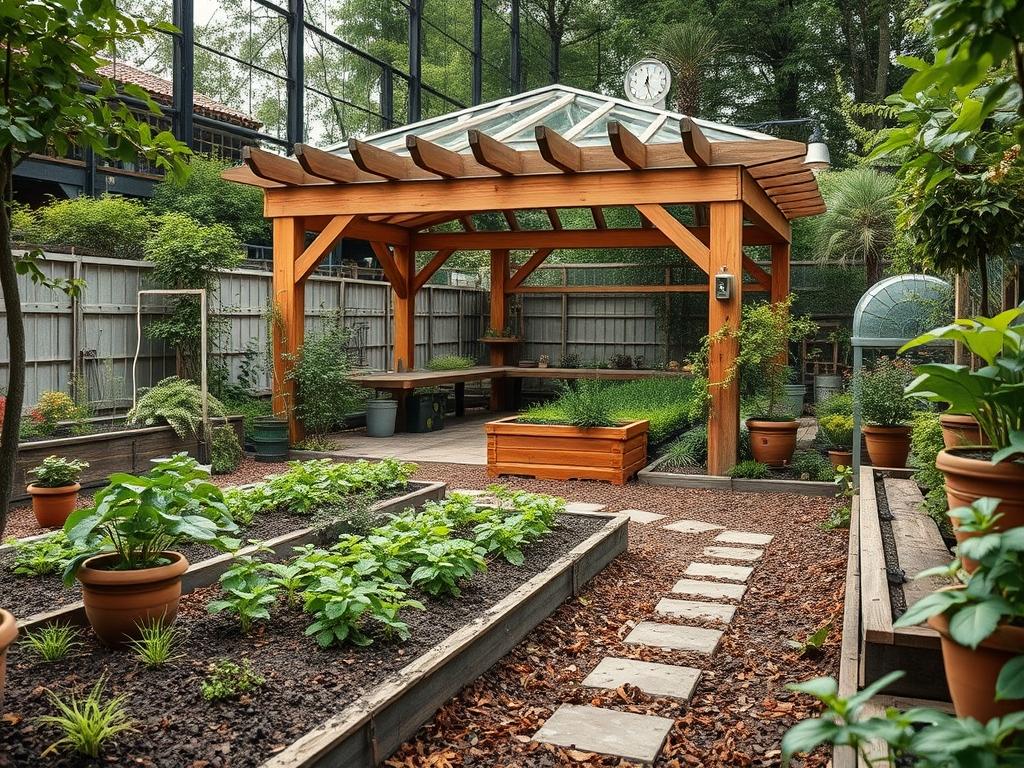
Developing a cohesive environment for large backyard pavilion designs requires a transition from simple gardening to comprehensive site engineering. When a homeowner invests in a large scale structure, the surrounding landscape must act as more than just a decorative border. It functions as the connective tissue between the main residence and the new outdoor destination. The primary challenge involves managing the sheer scale of the project. A large pavilion can easily overwhelm a yard if the landscape lacks sufficient visual weight to balance the structure. Designers must account for regional climate variables, such as heavy snow loads on the roof or high wind shear in open plains, which dictate both the structural materials and the hardy plant species required to anchor the zone. Beyond aesthetics, the goal is to enhance curb appeal while maximizing the functional utility of the space for dining, lounging, or poolside relaxation.
Landscape Design Principles
The architectural integrity of a pavilion depends on the application of symmetry and visual balance. For a modern, large scale structure, designers often utilize a formal or semi-formal layout to mirror the clean lines of the pavilion rafters and columns. Symmetry does not necessarily mean an exact mirror image on both sides of a walkway; rather, it refers to the distribution of visual mass. If one side of the pavilion features a heavy stone outdoor fireplace, the opposite side might benefit from a dense planting of Upright European Hornbeam or a similar vertical element to maintain equilibrium.
Focal points are essential in large backyards to prevent the eye from wandering aimlessly across a vast lawn. The pavilion itself is the primary focal point, but secondary interests should be created along the journey from the house to the structure. This is often achieved through elevation layers. By introducing retaining walls built from modular concrete blocks or natural fieldstone, you create distinct tiers that add depth. These layers allow for the installation of built-in seating or raised planters, which bring greenery closer to eye level for those seated inside the pavilion.
Walkway design is another critical principle. For a large pavilion, a narrow path feels inadequate. Designers typically recommend a minimum width of 5 feet for main arterial paths constructed from wet-laid flagstone or large format pavers. This allows two people to walk side by side comfortably, signaling that the pavilion is a significant social hub. Additionally, irrigation planning must be integrated into the initial design phase. Running polyethylene tubing and drip emitters under the hardscape before the final stone is set ensures that perimeter plantings receive consistent moisture without wasting water on the pavilion floor or the furniture.
Plant and Material Selection
Selecting the right materials and flora is the difference between a high maintenance burden and a self sustaining outdoor retreat. The following table provides a selection of species that pair well with the structural requirements of large backyard pavilion designs.
| Plant Type | Sun Exposure | Soil Needs | Water Demand | Growth Speed | Maintenance Level |
| :— | :— | :— | :— | :— | :— |
| Boxwood (Buxus) | Full Sun to Shade | Well-drained | Medium | Slow | Low |
| Lavender (Lavandula) | Full Sun | Sandy/Gravelly | Low | Medium | Low |
| Hostas (Hosta spp.) | Full Shade | Rich/Organic | High | Medium | Low |
| Japanese Maple | Partial Shade | Loamy/Moist | Medium | Slow | Medium |
| Pachysandra | Shade | Acidic/Moist | Medium | Medium | Very Low |
| Climbing Hydrangea | Partial Shade | Rich/Moist | High | Medium | Medium |
For hardscaping materials, modern designs favor travertine for its cool surface temperature in summer or Pennsylvania Blue Stone for its timeless, rugged appeal. Using steel edging along the perimeter of these stone areas provides a crisp, clean line that prevents lawn grass from encroaching on the pavilion footprint.
Implementation Strategy
The implementation of a large backyard pavilion design begins with professional grading. You must ensure that the site has a 2 percent slope away from the pavilion foundation to prevent water from pooling under the structural posts. If the backyard is naturally low-lying, a French drain system using 4-inch perforated pipe and washed river rock should be installed to redirect runoff toward a rain garden or a municipal drainage point.
Once the sub-grade is established, the focus shifts to the hardscape base. A standard installation involves 6 inches of compacted 21A or CR-6 crushed stone, followed by a 1-inch layer of concrete sand. This provides a stable platform that resists shifting during freeze-thaw cycles. When the pavilion is being erected, it is vital to keep heavy machinery off the areas designated for future planting beds. The weight of skid steers and excavators causes severe soil compaction, which destroys the soil structure and prevents root respiration.
After the structure is complete, planting begins with the largest specimens first. Balled and burlapped trees should be positioned to provide natural shade or to block prevailing winds. Once the trees and large shrubs are in place, apply a 3-inch to 4-inch layer of triple-shredded hardwood mulch. This depth is ideal for moisture retention and weed suppression. Using landscape fabric is generally discouraged in planting beds as it can hinder the natural exchange of nutrients and gasses between the soil and the atmosphere; instead, focus on high quality organic mulch that improves soil health as it decomposes.
Common Landscaping Failures
The most frequent failure in large pavilion projects is improper drainage integration. Many homeowners forget that a large pavilion roof acts as a massive funnel during a rainstorm. Without a gutter system and downspouts that lead into an underground PVC drainage line, the water will splash off the roof and erode the surrounding landscape, eventually undermining the foundation or staining the stone floor with mud.
Another common mistake is root overcrowding. It is tempting to plant shrubs closely together to achieve an immediate full look. However, a Boxwood or Juniper planted too close to the pavilion columns will eventually trap moisture against the wood or stone, leading to rot or mineral staining. Always research the mature spread of a plant and space it accordingly, even if the garden looks a bit sparse for the first two seasons. Finally, soil compaction remains a silent killer of landscape health. If the soil was compacted during construction and not properly tilled and amended with leaf compost before planting, the new greenery will likely struggle and die within the first three years.
Seasonal Maintenance
Managing the environment around a large pavilion requires a quarterly commitment. In the spring, the focus is on rejuvenation. This includes clearing debris from the gutters, checking irrigation lines for leaks caused by winter frost, and applying a fresh application of pre-emergent weed control. Pruning should be handled based on the specific species; for example, spring-flowering shrubs should be pruned immediately after their blooms fade.
Summer maintenance revolves around water management and pest control. During heat waves, supplemental hand-watering may be necessary even with an automated system, particularly for newly installed trees. In autumn, the priority shifts to leaf management. Allowing wet leaves to sit on pavers or natural stone can cause permanent staining and create a slip hazard. This is also the time to plant spring-blooming bulbs like Tulips or Daffodils around the pavilion base for a burst of early color. Winter maintenance involves protecting sensitive plants from heavy snow and ensuring that any ice-melt chemicals used on the pavilion floor are safe for the surrounding vegetation. Avoid using salt-based products, which can alter the soil PH and kill specialized plants like Japanese Maples.
Professional Landscaping FAQ
What is the best way to handle pavilion roof runoff?
Install a seamless gutter system with downspouts connected to underground 4-inch PVC pipes. These pipes should carry the water at least 10 feet away from the pavilion foundation to a designated drainage area or dry well.
How do I choose the right size for my pavilion walkways?
Walkways should be proportional to the pavilion scale. Use a minimum width of 60 inches for primary paths. This allows for comfortable movement and ensures the hardscape does not look undersized compared to the heavy timber or stone columns.
Can I install a pavilion over an existing concrete patio?
It depends on the concrete thickness and the pavilion weight. Most large pavilions require dedicated footings dug below the frost line. You may need to cut and remove sections of the existing patio to pour proper structural supports.
Which plants offer the best privacy around an outdoor structure?
Green Giant Arborvitae or Skip Laurels provide excellent year-round screening. They are fast growing and evergreen, creating a living wall that dampens noise and blocks sightlines from neighbors without requiring the maintenance of a traditional fence.
Why is mulch depth important for pavilion garden beds?
A depth of 3 to 4 inches is the professional standard. It regulates soil temperature and prevents the sun from baking the roots of perimeter plants. Excessive mulch, however, can cause stem rot, so keep it away from plant trunks.