
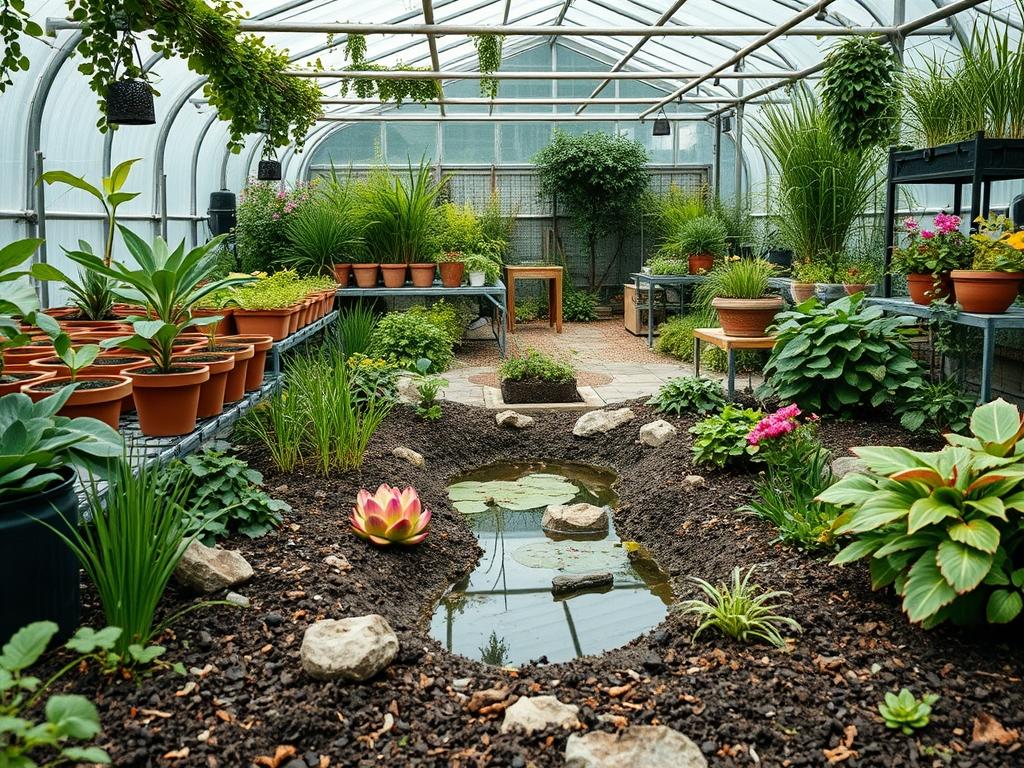
Small pond management is a multidimensional landscaping challenge that requires a deep understanding of both aquatic biology and terrestrial aesthetic integration. When a water feature is planned correctly, it serves as the ultimate focal point for a residential or commercial property, significantly boosting curb appeal and providing a tranquil sanctuary that enhances outdoor functionality. However, the transition from a simple hole in the ground to a crystal-clear ecosystem requires more than just aesthetics. It involves site-specific climate considerations, where the intensity of the sun and the local temperature fluctuations dictate the oxygen levels and biological load of the water. A poorly managed pond quickly becomes a liability, characterized by stagnant odors and unsightly algae blooms, which can detract from the overall value of the home. Professional landscape architects view the pond not as an isolated element, but as a component of the larger site drainage and irrigation plan. This ensures that the water feature remains a sustainable asset across all seasons while providing a cooling effect and a habitat for local wildlife.
Landscape Design Principles
Successful water feature design relies on the core principle of visual balance and functional integration. A pond should never look like an afterthought; it must feel as though it is a natural extension of the existing topography. Symmetry can be utilized in formal gardens through the use of rectangular or circular basins, often framed by cut limestone or slate flagstone. In contrast, a more naturalistic approach relies on asymmetrical shapes that follow the contours of the land. Focal points are essential to guide the eye; these are often achieved through the placement of a large granite boulder or a cascading waterfall that provides the soothing sound of moving water.
Elevation layers are critical in pond design. Incorporating multiple depths, such as a shallow 6-inch marginal shelf for plants and a deeper 24-inch to 36-inch center zone, provides different thermal pockets for aquatic life and prevents the pond from freezing solid in colder climates. Walkways should be designed to offer various vantage points of the water, utilizing permeable pavers or decomposed granite to manage runoff effectively. Irrigation planning is also vital; even though the pond holds water, the surrounding landscape requires a dedicated system to ensure that moisture-loving plants thrive without siphoning water from the pond itself. By balancing hardscaping elements like retaining walls with softscape plantings, a designer creates a cohesive environment that feels both grounded and dynamic.
Plant and Material Selection
The following table outlines the essential flora and materials required to maintain a balanced pond ecosystem.
| Plant Type | Sun Exposure | Soil Needs | Water Demand | Growth Speed | Maintenance Level |
| :— | :— | :— | : :— | :— | :— |
| Water Lily | Full Sun | Heavy Clay | Submerged | Moderate | Low |
| Hornwort | Partial Shade | None (Floating) | High | Fast | Medium |
| Blue Flag Iris | Full Sun | Moist Soil | High | Moderate | Low |
| Creeping Jenny | Full to Partial | Loamy | High | Fast | High |
| Pickerel Weed | Full Sun | Aquatic Mud | High | Moderate | Low |
| Anacharis | Partial Shade | Sandy/Silt | Submerged | Fast | Medium |
| Cattails | Full Sun | Any Wet Soil | High | Very Fast | High |
Implementation Strategy
The physical construction of a small pond begins with precise grading. The site must be surveyed to ensure that the surrounding land slopes away from the water to prevent lawn fertilizers and debris from washing into the basin during heavy rain. Once the perimeter is marked, excavation should include tiered shelves to support various plant species. After digging, the soil should be compacted and cleared of sharp stones. A geotextile underlayment is then laid down to protect the primary 45-mil EPDM liner, which is the industry standard for durability and flexibility.
Once the liner is secured, the installation of the mechanical and biological filtration systems begins. A skimmer box should be placed at the opposite end of the pond from the water return to ensure maximum circulation. Use PVC flexible hosing to connect the pump to a biological waterfall filter, which houses beneficial bacteria that break down ammonia. Edging is the final step in the structural layout. Use river stones and fieldstones of varying sizes to hide the liner edges, ensuring that the stones are notched and tucked to prevent “capillary action,” where the liner acts as a wick and pulls water out of the pond into the surrounding soil. Finally, apply a 2-inch layer of hardwood mulch or river rock around the exterior perimeter to stabilize the soil and provide a finished, professional look.
Common Landscaping Failures
One of the most frequent mistakes in pond management is inadequate drainage planning. If the pond is situated at the lowest point of a yard without a proper French drain or overflow pipe, it will collect contaminated runoff, leading to persistent water clarity issues. Another common failure is root overcrowding. Planting invasive species or failing to use aquatic planting baskets can lead to roots puncturing the liner or overwhelming the water volume, oxygen-depleting the environment for fish.
Improper spacing of large trees can also cause long-term structural damage. If a Willow or Maple is planted too close to the pond’s edge, the aggressive root systems can heave the retaining walls or displace the liner. Furthermore, soil compaction during the construction phase is often overlooked. If the ground around the pond is not properly stabilized, the weight of the boulders and water can cause the pond to shift or crack. Finally, many owners fail to account for irrigation inefficiencies. Using a standard lawn sprinkler to top off a pond can introduce chlorine and heavy metals that disrupt the delicate chemical balance, emphasizing the need for a dedicated filtration or dechlorination process.
Seasonal Maintenance
Small pond management requires a proactive approach that changes with the seasons. In the spring, the primary goal is to wake the pond up. This involves removing any organic debris that accumulated over the winter using a pond net. It is also the ideal time to add beneficial bacteria to jumpstart the biological filter and to check the submersible pump for any mechanical wear. Testing the water for pH and ammonia levels ensures that the environment is safe for the introduction of new plants or fish.
During the summer, the focus shifts to oxygenation and evaporation control. High temperatures reduce the water’s ability to hold oxygen; therefore, running a mechanical aerator or ensuring the waterfall is operating at full capacity is essential. You may need to “top off” the water levels frequently using a garden hose equipped with a carbon filter. In the autumn, the priority is leaf management. Installing a fine mesh net over the surface prevents falling leaves from sinking to the bottom and decomposing into sludge. This is also the time to prune back marginal plants like irises and cattails. In winter, if you live in a freezing climate, the most important task is keeping a small hole in the ice to allow for gas exchange. A floating pond de-icer or a small air stone will prevent toxic gases from building up, ensuring that the ecosystem remains viable until the spring thaw.
Professional Landscaping FAQ
How do I prevent green water in my small pond?
Install a UV sterilizer as part of your filtration loop. The ultraviolet light kills suspended algae cells on contact. Additionally, ensure that at least 50 percent of the pond surface is covered by floating plants to limit sunlight penetration.
What is the best way to hide a pond liner?
Use a combination of smooth river rocks and larger ledge stones to create an overlapping “rock shelf.” Tuck the liner behind the first course of stone and backfill with pea gravel to create a seamless transition from water to land.
How deep should my pond be for fish to survive winter?
In most temperate climates, a minimum depth of 24 to 36 inches is required. This depth provides a thermal refuge at the bottom of the pond where the water remains a constant temperature, preventing the entire column from freezing solid.
Why is my pond losing water so quickly?
Check for “capillary suction” where plants or carpet-like moss have grown over the edge and are wicking water. If the loss is more than 2 inches per day, you likely have a puncture in the EPDM liner.
Do I need a permit for a small backyard pond?
Most municipalities do not require permits for ponds under 24 inches deep. However, if you are installing a large feature with a retaining wall or professional electrical work, consult local building codes to ensure safety compliance and proper zoning.