
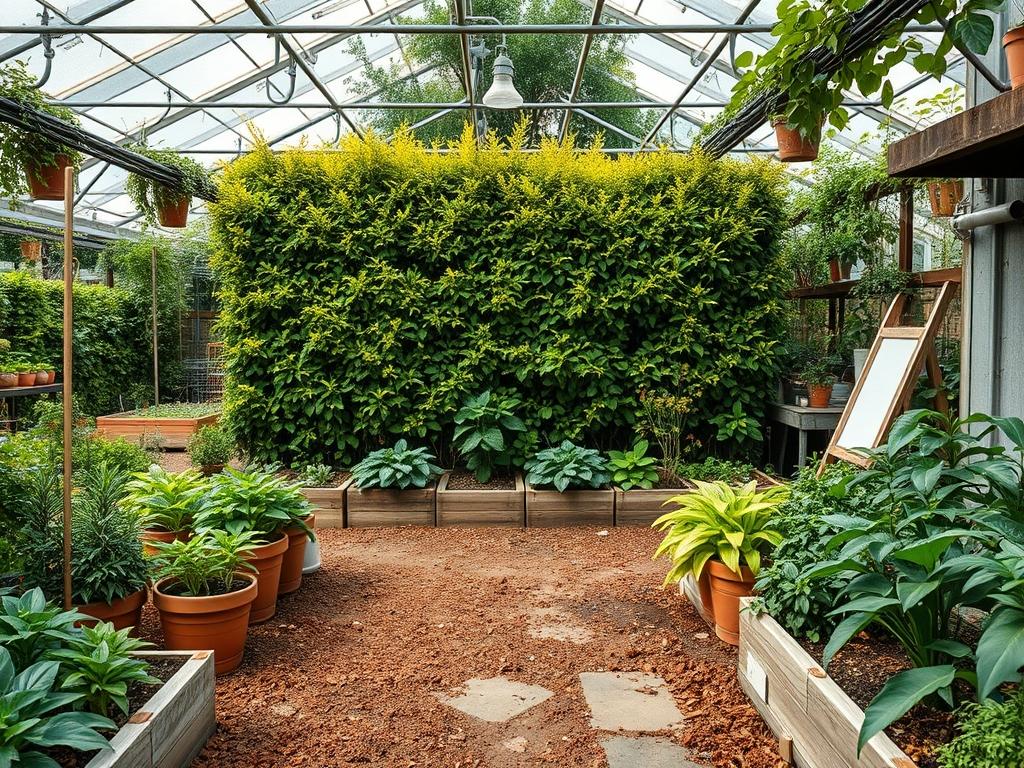
Creating a sanctuary within the confines of a suburban or urban lot requires more than just a peripheral installation of greenery. It demands a strategic approach to spatial definition where the botanical elements function as living architecture. The primary challenge for many homeowners is the struggle between open space and necessary seclusion. Without a thoughtful plan, a backyard remains exposed to the visual and auditory noise of the surrounding environment, reducing its utility as a restorative space. High-performance landscaping focuses on the concept of Hedge Privacy for Peace, utilizing dense foliage and structural variety to filter out the external world. Climate considerations play a pivotal role in this process; a species that thrives in the temperate coastal regions may struggle in the heat of a transition zone. By prioritizing native species and hardy evergreens, you ensure that your investment in curb appeal provides year-round functionality. This approach does not merely hide the yard from neighbors, it transforms the property into a controlled microclimate where wind is buffered, sound is absorbed, and the visual chaos of the street is replaced by a consistent, calming wall of green.
Successful outdoor environments rely on the seamless integration of hardscape and softscape, ensuring that the transition from a stone patio to a towering screen feels intentional rather than accidental. When practitioners design for privacy, they must consider the sightlines from both ground level and upper-story windows. A well-designed landscape provides defense against intrusive views while maintaining an internal sense of openness and light.
Landscape Design Principles
The foundation of a high-end landscape is visual balance through symmetry and layering. Symmetry provides a sense of order and formality that calms the eye, often achieved by flanking a central axis with identical rows of Thuja Green Giant or Boxwood. However, rigid symmetry can feel clinical, so architects often introduce focal points such as a large Specimen Oak or a custom Water Feature to break the monotony.
Elevation is another critical tool. By using Retaining Walls to create raised planting beds, you can gain immediate height for your privacy screen, effectively turning a 5-foot shrub into an 8-foot barrier. These layers should follow a tiered structure: the tallest trees at the property line, mid-sized flowering shrubs in the center, and low-growing ground covers or ornamental grasses at the edge of the living space.
Walkways serve as the circulatory system of the garden. Whether constructed from Flagstone, Pavers, or Crushed Granite, they should lead the inhabitant through a series of “outdoor rooms” defined by different hedge heights. These paths must be wide enough for two people to walk side-by-side, usually a minimum of 48 inches. Beneath the surface, Irrigation Planning is paramount. Every plant tier has different hydration needs. A professional plan will separate the high-output Rotary Sprinklers used for turf from the low-volume Drip Irrigation lines designated for the root balls of the hedge plants, ensuring water is delivered directly to the 24-inch deep root zones where it is most effective.
Plant and Material Selection
The following table outlines the most effective species for creating structural barriers. Selecting the right plant requires matching the biological needs of the species with the specific microclimate of your planting site.
| Plant Type | Sun Exposure | Soil Needs | Water Demand | Growth Speed | Maintenance Level |
| :— | :— | :— | :— | :— | :— |
| Thuja Green Giant | Full Sun to Partial | Well-Drained | Moderate | Fast (3-5 ft/yr) | Low |
| English Laurel | Partial to Shade | Rich, Acidic | High | Fast | Moderate |
| American Holly | Full Sun to Partial | Moist, Acidic | Moderate | Medium | Low |
| Privet | Full Sun | Adaptable | Low | Very Fast | High (Pruning) |
| Japanese Yew | Shade to Partial | Well-Drained | Moderate | Slow | Low |
| Nellie R. Stevens | Full Sun | Clay/Sandy | Moderate | Fast | Low |
For those seeking Hedge Privacy for Peace, the selection of Evergreens is non-negotiable. Deciduous plants lose their leaves in autumn, leaving the yard exposed for nearly half the year. In addition to plants, material selection for the base of the hedge is vital. Use Hardwood Mulch at a depth of 3 inches to suppress weeds and retain moisture. For modern designs, a border of Black River Rock or Pea Gravel can provide a crisp edge that prevents mower damage to the lower branches of your screen.
Implementation Strategy
Executing a professional layout begins with a site survey and the identification of all underground utility lines. Once the site is clear, Grading is the most critical physical step. The land must slope away from the home’s foundation at a minimum of 2 percent to prevent water pooling. If the property has a naturally high water table, a French Drain composed of Perforated Pipe and 3/4-inch Clean Stone may be necessary to protect the root systems of your new hedge.
After the grade is set, use a Landscaping Chalk or a String Line to mark the planting trench. For a dense screen, spacing is determined by the mature width of the species. For example, if you are planting Leyland Cypress, spacing should be 6 feet on center to allow for air circulation while ensuring the branches interlock within three seasons.
When digging the hole, use a Round-Point Shovel to create a space twice as wide as the root ball but no deeper. Planting too deep is a common death sentence for high-end nursery stock; the “root flare” where the trunk meets the roots must stay at or slightly above the soil surface. Before Backfilling, mix the native soil with Organic Compost at a 2:1 ratio. Once the plant is set, install Edging made of Heavy-Duty Steel or Polyethylene to define the bed and prevent the lawn from encroaching. Finish by applying Slow-Release Fertilizer tablets to provide consistent nutrients for the first year of establishment.
Common Landscaping Failures
The most frequent mistake in private garden design is improper spacing. Homeowners often desire instant gratification and plant shrubs too close together. This results in Root Overcrowding and competition for nutrients, leading to “leggy” growth where the bottom of the hedge becomes sparse and brown. Airflow is also compromised, creating a breeding ground for fungal pathogens like Cercospora Needle Blight.
Another significant failure is neglecting Soil Compaction. During construction or hardscaping, heavy machinery can crush the air pockets in the soil. Without aeration using a Plug Aerator, the roots will suffocate regardless of how much water or fertilizer is applied. Furthermore, many DIY projects fail at the Drainage stage. Water must have a clear exit path. If a Retaining Wall is built without Weep Holes, hydrostatic pressure will eventually cause the wall Erto bow or collapse, destroying the living screen behind it. Finally, a lack of Irrigation Inefficiency occurs when one zone tries to water both established trees and new annuals, leading to some plants drowning while others parch.
Seasonal Maintenance
A landscape is a living entity that requires a rhythmic maintenance schedule to preserve its form and health.
Spring: This is the season for revitalization. Begin by removing winter debris and refreshing the Mulch to a solid 3-inch depth. Apply a Pre-emergent Herbicide to prevent weed seeds from germinating. This is the optimal time for structural pruning of most hedge species, such as Boxwood, before the first flush of new growth. Inspect the Irrigation System for leaks or clogged emitters.
Summer: The focus shifts to hydration and pest management. During periods of extreme heat, increase the duration of Drip Irrigation cycles to ensure moisture reaches a depth of 12 inches. Monitor for Spider Mites or Bagworms, which can defoliate a privacy screen in weeks. Avoid heavy pruning in mid-summer, as this stresses the plant and exposes interior leaves to sun-scald.
Autumn: Preparation for dormancy is key. Apply a High-Potassium Fertilizer to encourage root strength rather than leafy growth. This is the best time to plant new large-scale Evergreens, as the cooler air and warm soil allow roots to establish without the stress of summer heat. Rake fallen leaves away from the base of the hedges to prevent moisture-related rot at the trunk.
Winter: Protect your investment from the elements. For young or sensitive plants like Cherry Laurel, a coating of Anti-Desiccant Spray can prevent moisture loss from cold winds. In regions with heavy snow, use Burlap Twine to lightly wrap the tops of upright evergreens, preventing heavy snow loads from splitting the branches. Ensure the Irrigation System is fully winterized and blown out with Compressed Air to prevent pipe bursts.
Professional Landscaping FAQ
How long does it take for a privacy hedge to mature?
Most fast-growing species like Thuja Green Giant reach substantial height within 3 to 5 years. Slower species like Holly may take 7 to 10 years to provide a total visual block at eye level.
What is the best mulch for a privacy screen?
Triple-Shredded Hardwood Mulch is the professional standard. It stays in place on slopes, breaks down slowly to improve soil structure, and provides an excellent thermal barrier for the root systems of your Hedge Privacy for Peace installation.
Can I grow a privacy hedge in deep shade?
Yes, but species selection is limited. Japanese Yew and certain varieties of Cherry Laurel thrive in low-light environments. Ensure the soil is exceptionally well-drained, as shaded areas retain moisture longer, increasing the risk of root rot.
How often should I water my new landscape?
New plantings require 1 inch of water per week, delivered in deep, infrequent sessions. For the first 90 days, daily monitoring is required. Once established, most hedges only require supplemental watering during significant periods of drought.
Is a permit required for high hedges or retaining walls?
Most municipalities have height restrictions for front-yard fences and hedges, often capped at 4 feet. Backyard screens are usually allowed up to 8 feet. Retaining Walls over 3 feet or 4 feet typically require an engineering seal.