
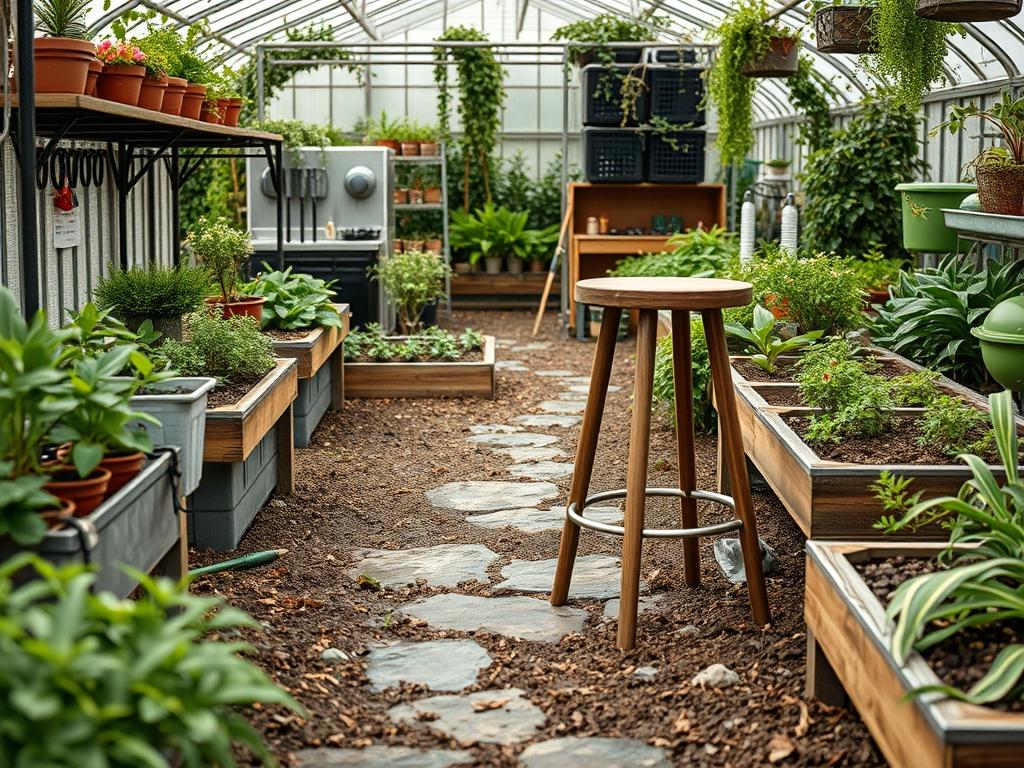
Creating a cohesive outdoor living environment requires a sophisticated balance between structural hardscaping and botanical softness. When a homeowner or developer begins the process of selecting specific Outdoor Bar Stool Styles, they are not merely choosing furniture; they are defining the ergonomics of a social hub. The landscape architect must view the bar area as a transitional zone where the rigidity of the home meets the organic fluidity of the garden. Climate considerations play a primary role in this selection process. For instance, high saltwater environments require materials that resist corrosion, while arid climates demand surfaces that do not absorb excessive heat. Functionality remains the ultimate goal, ensuring that the seating is positioned to maximize views of the surrounding landscape while facilitating easy movement through high traffic outdoor corridors.
Landscape Design Principles
In professional landscape architecture, symmetry and focal points anchor the visual experience of a backyard. A raised bar height counter serves as a secondary elevation layer, helping to break up the flat plane of a large stone patio. When placing bar stools, the concept of visual weight is crucial. Light, airy metal frames may get lost against a backdrop of dense Privet Hedges, whereas heavy Teak or concrete seating provides the necessary presence to stand out against a minimalist garden. Design professionals often use these stools to mirror the vertical lines of nearby Pergolas or the structural trunks of Palm Trees, creating a sense of intentionality in the layout.
Symmetry is often achieved by flanking the bar with identical planting containers or matching lighting fixtures. However, the functionality of the space depends heavily on the planning of walkways and clearances. A standard rule of thumb is to maintain at least 36 inches of clearance behind the bar stools to allow for comfortable passage. If the bar is located near a pool or a drop off in elevation, a Retaining Wall or safety railing must be integrated without obstructing the sightlines of those seated. Irrigation planning must also be finalized before the furniture is placed. Subsurface Drip Irrigation lines should be routed away from the heavy foot traffic zones near the bar to prevent soil compaction and pipe damage.
Plant and Material Selection
The following table outlines the botanical elements that best complement modern outdoor social spaces, focusing on low-maintenance varieties that provide texture and color without encroaching on the seating area.
| Plant Type | Sun Exposure | Soil Needs | Water Demand | Growth Speed | Maintenance Level |
| :— | :— | :— | :— | :— | :— |
| Blue Fescue | Full Sun | Well-drained | Low | Moderate | Low |
| English Lavender | Full Sun | Sandy/Gritty | Low | Moderate | Medium |
| Boxwood | Partial Shade | Loamy | Medium | Slow | High (Pruning) |
| Dwarf Olive | Full Sun | Calcareous | Low | Slow | Low |
| Japanese Maple | Filtered Sun | Acidic/Rich | Medium | Slow | Medium |
When selecting materials for the stools themselves, one must consider the hardscape surroundings. If the patio consists of Flagstone or rough Travertine, stools with wider, capped feet are necessary to prevent the legs from getting stuck in wide grout joints. For modern minimalist landscapes featuring large format Porcelain Pavers, sleek Powder-coated Aluminum or Stainless Steel frames offer a clean aesthetic that reinforces the contemporary theme. The color palette of the stool cushions should ideally pull from the natural tones found in the garden, such as the silvery green of Sage or the deep charcoal of weathered Slate.
Implementation Strategy
The implementation of a high-end outdoor bar area begins with proper site grading. The ground must be sloped at a 2 percent grade away from the home foundation and the bar structure itself to prevent water from pooling around the seating. Once the grade is established, the installation of Geotextile Fabric prevents weed growth beneath the hardscape. For the base, a 4 inch layer of compacted Crushed Stone provides a stable foundation, followed by a 1 inch leveling bed of coarse sand if pavers are being utilized.
Edging is the next critical step. Using Steel Edging or Aluminum Landscape Edging creates a crisp transition between the patio and the surrounding flower beds. Within these beds, a 3 inch mulch depth of organic Cedar Bark or Pine Straw helps retain moisture for the plants while suppressing weeds. If the bar stools are to be placed on a wooden deck, the joist spacing must be checked to ensure it can support the concentrated weight of high density furniture. Finally, the use of Polymeric Sand in the joints of a stone patio prevents the stools from shifting the pavers over time through repetitive movement.
Common Landscaping Failures
One of the most frequent mistakes in outdoor design is failing to account for drainage near high-use areas. If the patio is perfectly level, rainwater will settle around the base of the bar stools, leading to the degradation of materials like Wicker or wood. Furthermore, if the stools are placed too close to the edge of a planting bed without a proper buffer, the soil frequently migrates onto the hardscape during heavy rain, creating a slip hazard and staining the furniture.
Root overcrowding is another significant issue. Many homeowners plant fast-growing species like Bamboo or certain varieties of Ficus too close to the bar area. Over time, the aggressive root systems can lift pavers and tilt the bar structure, making the seating uneven and dangerous. Improper spacing between the stools also leads to a cramped environment. A minimum of 24 inches to 30 inches center-to-center should be maintained between each stool to ensure guest comfort. Lastly, neglect of the soil quality can lead to compaction in the heavy traffic zones around the bar, eventually killing nearby ornamental plants due to a lack of oxygen reaching the roots.
Seasonal Maintenance
Landscape management is a year round commitment that changes with the seasons. In the spring, the primary focus is on inspecting the Irrigation Emitters and replacing any mulch that has decomposed over the winter. This is also the time to apply a slow release fertilizer to the Boxwoods and Lavender to encourage new growth. The bar stools should be cleaned with a mild pH neutral soap to remove any pollen or mold that accumulated during the damp winter months.
Summer maintenance revolves around hydration and UV protection. During periods of extreme heat, the frequency of the Drip Irrigation system should be increased, ideally scheduled for early morning to reduce evaporation. If the Outdoor Bar Stool Styles utilize fabric cushions, they should be treated with a UV protectant spray to prevent fading in the harsh sun. In particularly arid regions, it may be necessary to hose down stone patios periodically to lower the ambient temperature of the hardscape.
Autumn requires the removal of fallen leaves from the bar area, as decomposing organic matter can stain Limestone or Concrete surfaces. This is also the time to prune back any deciduous trees, such as the Japanese Maple, to maintain the intended sightlines. Before the first frost, irrigation lines should be blown out with Compressed Air to prevent pipe bursts. During winter, sensitive plants should be protected with Burlap Wraps, and if the bar stools are not rated for extreme cold or heavy snow loads, they should be moved to a storage shed or covered with custom fitted waterproof covers to extend their lifespan.
Professional Landscaping FAQ
What is the ideal spacing for outdoor bar seating?
To ensure comfort and movement, allow 24 to 30 inches between the centers of each stool. Additionally, maintain at least 36 inches of open floor space behind the seats for foot traffic and service accessibility within the landscape.
How do I prevent my bar stools from sinking into the grass?
Install a solid foundation such as Flagstone, Pavers, or Decomposed Granite. If placing on turf, use a Stabilized Gravel grid or individual Stepping Stones under each leg to distribute the weight and prevent turf compaction and muddying.
Which wood species is best for outdoor stools?
Teak is the gold standard due to its high natural oil content and resistance to rot and insects. Other viable options include Ipe, Cedar, and Acacia, though these may require more frequent sealing to maintain their structural integrity.
How do I choose stools that match my garden’s style?
Match the stool’s material to your hardscape. Use Wrought Iron for traditional English gardens, Powder-coated Aluminum for modern minimalist spaces, and Synthetic Wicker or Teak for tropical or coastal environments to create a seamless visual transition.
Should I choose swivel or stationary outdoor stools?
Swivel stools offer better ergonomics for conversation and viewing different parts of the landscape. However, stationary stools are more durable in high-wind areas and have fewer mechanical parts that can rust or seize when exposed to the elements.