
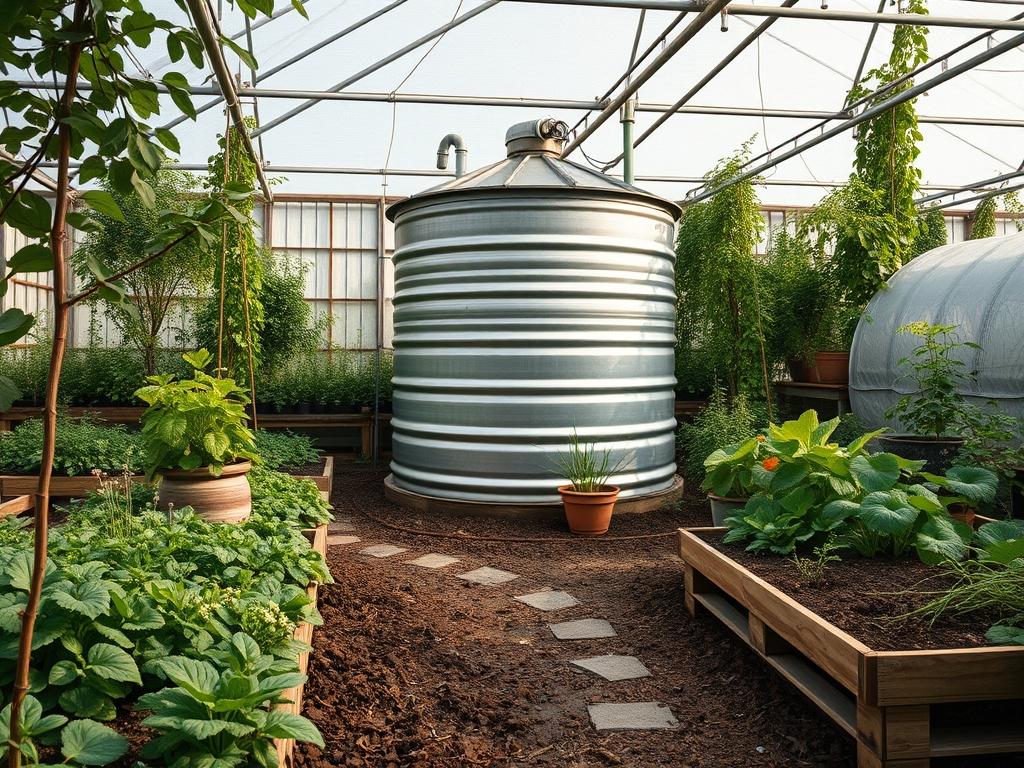
Integrating functional food storage into a residential landscape requires a sophisticated balance between architectural utility and aesthetic harmony. Historically, silos were relegated to the industrial fringes of deep acreage farms. Today, however, the modern emphasis on food security and homesteading has brought these structures into the suburban backyard. The challenge for a landscape architect is to ensure that backyard vegetable silos do not appear as an after-thought or a misplaced piece of industrial equipment. Instead, these structures should serve as the vertical anchors of an outdoor room, providing both thermal mass for temperature regulation and a striking visual silhouette that complements the residence. Climate considerations play a pivotal role in this placement; a silo intended for cold storage must be partially subterranean or shielded from the direct afternoon sun to maintain internal consistency. Conversely, a silo used for drying grains or pulses might require maximum solar exposure.
Curb appeal is often a primary concern for homeowners Investing in specialized storage. To maintain property value, we treat the silo as a piece of hardscaping, similar to a gazebo or a sophisticated garden shed. By utilizing materials that echo the existing home, such as Steel Edging, Cedar Siding, or Natural Stone, the storage unit becomes an intentional design feature. Functionality remains the ultimate goal, requiring an environment where the transition from the harvest garden to the storage vessel is seamless. This involves careful mapping of the site to account for prevailing winds, solar orientation, and the natural flow of human traffic. A well-planned backyard vegetable silo system transforms a simple garden into a high performance ecosystem, capable of sustaining a household through the dormant months while enhancing the structural elegance of the property.
Landscape Design Principles
The successful integration of backyard vegetable silos begins with the principle of symmetry. In a formal garden setting, placing twin silos at the end of a central axis creates a grand, balanced vista that draws the eye forward. If the landscape is more organic or rustic, a single silo can serve as a powerful focal point, similar to a sculpture. We often use the “Rule of Thirds” to position these structures away from the center of the yard, allowing the eye to travel across the softer plantings before reaching the vertical weight of the silo.
Elevation layers are essential for breaking up the perceived bulk of a tall storage unit. By surrounding the base of the silo with Retaining Walls and tiered garden beds, we can “ground” the structure. This layering prevents the silo from looking like it was simply dropped onto the grass. We recommend using Fieldstone or Stackable Masonry to create these heights, transitioning from low groundcovers to medium shrubs and then to the silo itself. This provides a gradual visual ascent that feels natural rather than jarring.
Irrigation planning must be integrated into the foundation of the design. Runoff from the silo roof can be substantial during heavy rains. Rather than allowing this water to pool and compromise the foundation, we design rainwater harvesting systems or French Drains linked to the surrounding ornamental beds. Walkways should be wide, at least 48 inches, to accommodate wheelbarrows or harvest crates. We prefer using permeable materials like Decomposed Granite or Stabilized Gravel to ensure the paths remain dry and accessible year round. This functional accessibility ensures that the beauty of the design does not vanish during the muddy thawing periods of early spring.
Plant and Material Selection
Selecting the right flora to surround a backyard vegetable silo is a matter of both health and aesthetics. We look for plants that do not have aggressive root systems that might disturb the structural footings, while also choosing species that provide seasonal interest.
| Plant Type | Sun Exposure | Soil Needs | Water Demand | Growth Speed | Maintenance Level |
| :— | :— | :— | :— | :— | :— |
| Rosemary | Full Sun | Well-drained | Low | Moderate | Low |
| Echinacea | Full Sun | Loamy/Sandy | Medium | Fast | Low |
| Lavender | Full Sun | Alkaline | Low | Moderate | Moderate |
| Pole Beans | Full Sun | Nutrient Rich | High | Rapid | High |
| Creeping Thyme | Full/Partial | Gritty | Low | Moderate | Low |
| Serviceberry | Partial Shade | Moist/Acidic | Medium | Moderate | Low |
Implementation Strategy
The implementation of backyard vegetable silos begins with professional grading. The site must be leveled with a two percent slope away from the structure to prevent water ingress. We start by excavating the footprint to a depth determined by the local frost line, typically 36 to 42 inches in temperate zones. A base of Crushed Limestone or a Compacted Gravel Pad is then laid to provide a stable foundation that resists shifting during freeze-thaw cycles. For larger, permanent silos, a Reinforced Concrete Slab is often necessary to distribute the weight of the stored vegetables and the structure itself.
Once the foundation is set, we address the perimeter. Geotextile Fabric is laid down to suppress weeds before applying a thick layer of Hardwood Mulch or River Rock. Edging is then installed to define the boundary between the “work zone” of the silo and the “leisure zone” of the lawn. We recommend Powder Coated Steel Edging for its longevity and clean lines. Drainage is the final hardscape step; installing a series of Catch Basins and Perforated Pipes ensures that the interior of the silo remains dry, which is critical for preventing rot in stored starches and legumes. Finally, the planting occurs according to the height layers discussed previously, using a mix of native perennials and functional herbs.
Common Landscaping Failures
The most frequent mistake in backyard vegetable silo placement is neglecting drainage. If the base of the silo sits in a low spot, moisture will wick through the floor, leading to mold and crop loss. Many homeowners also suffer from root overcrowding. Planting large canopy trees like Oak or Maple too close to the silo can lead to root intrusion that cracks foundations or heaves pavers. We suggest a minimum clearance of 15 feet between the silo and any major tree species.
Improper spacing between the silo and other structures can also create “wind tunnels” or “dead zones” where air does not circulate. Proper ventilation is not just for the plants; the silo itself needs airflow to prevent condensation on its exterior walls. Soil compaction is another silent killer of landscape health. During the construction of the silo, heavy machinery often packs the earth so tightly that nothing will grow. We always advocate for Soil Aeration and the addition of Organic Compost after the heavy work is completed to restore the soil’s porosity and microbial life.
Seasonal Maintenance
Seasonal oversight ensures the longevity of both the storage unit and the surrounding greenery. In the spring, the focus is on clearing Drainage Grates and checking the seals of the silo for any winter damage. We recommend a fresh application of Pine Bark Mulch to keep the soil cool as temperatures rise. During the summer, irrigation becomes the priority. While the vegetables inside the silo are stable, the surrounding ornamental plants need consistent hydration, particularly those in the “rain shadow” of the silo’s walls.
Autumn is the season of peak utility. As the backyard vegetable silos are filled, the walkways must be kept clear of debris to prevent tripping hazards. This is also the time to prune any perennial shrubs that have overgrown their boundaries. In winter, maintenance shifts to structural protection. Salt should never be used on walkways near a silo, as it can corrode metal components and poison the soil for the next growing season. Instead, use Sand or Birdseed for traction. Check the internal temperature of the silo regularly to ensure the thermal mass is performing its job during extreme cold snaps.
Professional Landscaping FAQ
What is the best material for a backyard vegetable silo?
Corrugated Galvanized Steel is the industrial standard for durability and moisture resistance. However, for a more residential feel, Tongue and Groove Cedar over a metal frame offers excellent insulation while blending into a natural landscape aesthetic.
Does a backyard silo require a permit?
Most municipalities classify these as outbuildings. If the structure exceeds 120 square feet or includes electrical wiring for ventilation, a building permit is usually required. Always check local zoning laws regarding height restrictions and property line setbacks.
How do I prevent pests from entering the storage area?
Ensure the foundation is a solid concrete pour with no gaps. Use Stainless Steel Mesh over all ventilation ports. Keeping the perimeter clear of tall grass and debris reduces the habitat for rodents seeking a winter food source.
Can I use a silo for hydroponic growing instead of storage?
Yes, silos can be retrofitted with Vertical Grow Towers and LED Lighting. This requires significant electrical planning and internal climate control, making it a more complex architectural project than a standard dry storage unit or root cellar.
How do I manage heat buildup inside a metal silo?
Thermal regulation is achieved through Passive Venting and reflective exterior coatings. Planting deciduous trees on the western side provides summer shade while allowing winter sun to warm the structure after the leaves have fallen, optimizing year round performance.