
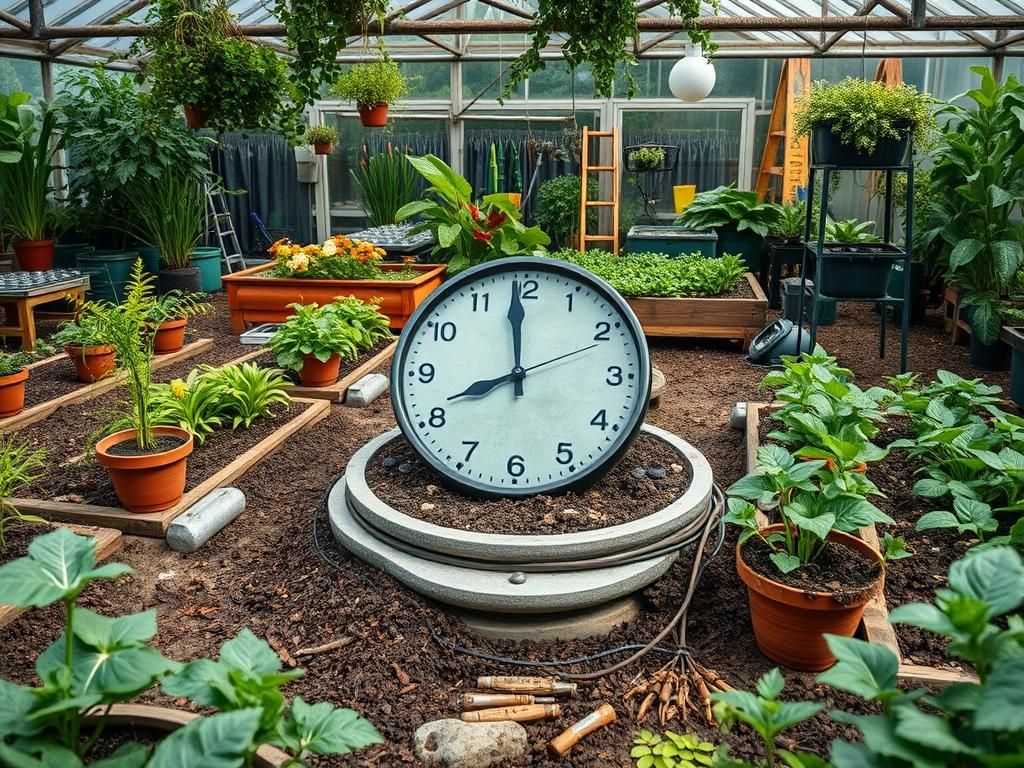
Creating an outdoor environment requires a delicate balance between horticultural science and aesthetic vision. When homeowners seek to improve their curb appeal, they often focus solely on the greenery, neglecting the functional elements that anchor a space. A masterfully planned landscape should serve as a seamless extension of the interior living area while respecting the unique microclimate of the region. This is where the integration of a functional focal point, such as a high-quality timepiece, becomes essential. Selecting a Solar Garden Clock Top pick requires an understanding of how light interacts with both the biological and mechanical components of your yard. The placement must be strategic, ensuring the solar panels receive at least 6 hours of direct sunlight while the clock face remains visible from primary vantage points like the patio or the kitchen window.
Architectural functionality meets environmental stewardship when we consider irrigation and drainage. A landscape that looks beautiful but fails to shed water correctly will eventually succumb to root rot or foundation issues. Every stone, plant, and decorative element must be positioned with intent. The inclusion of a solar-powered instrument adds a layer of modern utility that does not require invasive electrical trenching. This preserves the integrity of your soil structure and prevents the disruption of established root systems. As you curate your outdoor space, think of it as a living gallery where every piece, from the Flagstone path to the Evergreen backdrop, works in concert to provide a sense of permanence and order.
Landscape Design Principles
Symmetry serves as the foundation of classical landscape architecture, providing a sense of calm and predictability. When designing a formal garden, the use of a central axis can lead the eye toward a primary feature. If you are positioning a solar clock, it should ideally sit at the terminus of a walkway or within the center of a circular planting bed. This creates a powerful focal point that commands attention. In contrast, informal designs rely on visual balance rather than mirror images. You might balance a large Oak tree on the left with a cluster of smaller Ornamental grasses and a stone pedestal on the right.
Elevation layers are equally critical for depth. A flat garden often feels two-dimensional and uninspiring. By using Retaining walls or tiered planting beds, you can create vertical interest that mimics natural topographies. The highest layer should consist of canopy trees or tall structures, followed by mid-sized shrubs, and finally, groundcover. Integrating a solar clock into these layers requires careful height management. If the clock is too low, it may be obscured by summer growth; if it is too high, it might feel detached from the rest of the garden. Always consider the mature height of your plants to ensure that sightlines remain clear year-round.
Walkways act as the circulatory system of your landscape. They should be wide enough for two people to walk comfortably, typically requiring a width of at least 48 inches. The material choice, whether it is Decomposed Granite, Pavers, or Mulch, dictates the speed at which a person moves through the space. Harder surfaces encourage faster movement, while softer, crunchier materials like Pea Gravel invite a slower, more contemplative pace. By placing your focal points near these paths, you ensure they are appreciated during daily transitions through the yard.
Plant and Material Selection
Choosing the right components for your landscape involves more than just picking attractive colors. You must match the biological needs of the flora with the physical characteristics of your site. The following table provides a breakdown of several versatile species that complement a variety of hardscape styles.
| Plant Type | Sun Exposure | Soil Needs | Water Demand | Growth Speed | Maintenance |
| :— | :— | :— | :— | :— | :— |
| English Lavender | Full Sun | Well-drained, Sandy | Low | Moderate | Prune annually |
| Boxwood Shrub | Full to Part Sun | Loamy, Moist | Moderate | Slow | High (shaping) |
| Purple Coneflower | Full Sun | Poor to Neutral | Low | Fast | Deadheading |
| Hostas | Full Shade | Rich, Organic | High | Moderate | Divide every 3 years |
| Creeping Thyme | Full Sun | Gritty, Lean | Low | Fast | Minimal |
| Switchgrass | Full Sun | Adaptive | Low | Fast | Cut back in late winter |
When selecting materials for the base of a solar clock or around stationary garden features, prioritize longevity. Crushed Slate or Mexican Beach Pebbles provide a clean, modern aesthetic while suppressing weeds. If you are installing a pedestal, ensure it sits on a leveled base of Compacted Road Base or a Concrete Pad to prevent tilting over time due to frost heave or soil settling.
Implementation Strategy
The transition from a blueprint to a finished landscape requires a disciplined step-by-step approach. Begin with grading. Ensure the land slopes away from any permanent structures at a minimum of a 2 percent grade to facilitate proper drainage. Once the skeleton of the yard is established, mark the locations for your major hardscapes. This includes the installation of any Stone Edging or Timber Borders that define your planting zones.
After the heavy lifting of grading and hardscaping is complete, focus on the irrigation system. A Drip Irrigation setup is significantly more efficient than traditional spray heads, especially for ornamental beds. It delivers water directly to the root zone, reducing evaporation and preventing the growth of fungal diseases on foliage. Once the lines are buried, you can begin the planting process. Digest the soil with organic compost to a depth of 12 inches to provide a nutrient-rich environment for new arrivals.
When moving to the final stage of installation, place your Solar Garden Clock Top choice in its designated spot. Use a Bubble Level to confirm the surface is perfectly horizontal. If the clock is part of a larger flower bed, apply a 3-inch layer of Hardwood Mulch around the base. This mulch layer serves three purposes: it retains moisture, regulates soil temperature, and provides a crisp visual finish that separates the clock assembly from the surrounding soil.
Common Landscaping Failures
The most frequent mistake in professional landscaping is improper spacing. It is tempting to plant shrubs close together to achieve an immediate “full” look. However, this leads to root overcrowding and poor air circulation within a few seasons. Always research the mature spread of a species and plant according to those dimensions. If a Juniper grows to 6 feet wide, its center should be at least 3 feet away from any path or wall.
Drainage inefficiencies also plague many DIY and poorly planned professional projects. Creating a “bowl” effect with retaining walls without installing French Drains or Weep Holes will lead to stagnant water and eventual wall failure. Soil compaction is another silent killer of healthy gardens. Heavy foot traffic or the use of heavy machinery during construction can squeeze the oxygen out of the soil, making it impossible for roots to penetrate or breathe. Aerating the soil and adding organic matter before the final planting is the only way to rectify this issue.
Finally, many owners fail to account for the “solar budget” of their yard. Installing solar-powered features in the shadow of a large Maple tree or behind a tall fence will lead to inconsistent performance. Before committing to a location for a solar clock, observe the shadows in your yard at 10:00 AM, 1:00 PM, and 4:00 PM to ensure the panels will remain unobstructed throughout the peak daylight hours.
Seasonal Maintenance
A landscape is a living entity that requires year-round stewardship. In the spring, the focus is on renewal. Remove any winter debris, prune dead wood from shrubs, and apply a fresh layer of Pre-emergent Herbicide to prevent weed seeds from germinating. This is also the best time to check the batteries in your solar devices. Even though they are solar-rechargeable, the internal cells often have a lifespan of 2 to 3 years and may need replacement to ensure they hold a charge through the night.
Summer maintenance revolves around hydration and monitoring. During heatwaves, check your irrigation timers to ensure they are providing deep, infrequent watering rather than shallow daily mists. Deadhead spent blooms on perennials like Salvia or Daylilies to encourage a second flush of color. As we move into autumn, the priority shifts to cleanup and protection. Rake leaves promptly to prevent them from smothering the grass. For solar clocks and other outdoor electronics, wipe down the solar panels with a damp, soft cloth. Dust and pollen buildup can reduce solar efficiency by as much as 30 percent.
Winter is the season of dormancy, but the work does not stop. In colder climates, you may need to wrap sensitive shrubs in Burlap to protect them from desiccation by cold winds. Use this time to sharpen your Pruning Shears and plan for any structural changes you want to implement in the coming year. If your solar clock is not rated for extreme sub-zero temperatures, consider storing the head unit indoors until the spring thaw while leaving the pedestal in place as a winter silhouette.
Professional Landscaping FAQ
How do I choose the best location for a solar clock?
Select a south-facing spot that receives unobstructed sunlight for majority of the day. Ensure the location is elevated enough to be visible over low-growing shrubs but not so high that it loses its relationship with the surrounding garden beds.
What is the best mulch for a low-maintenance garden?
Triple-shredded Cedar Mulch is an excellent choice. It decomposes slowly, deters many common insects, and stays in place during heavy rains better than lighter options like pine straw or large wood chips. It provides a clean, professional finish.
How often should I clean my solar garden features?
Clean the solar collectors at least once a month. Use a mixture of distilled water and a drop of mild dish soap. Removing bird droppings, dust, and sap ensures the internal battery reaches a full charge every day.
Can I install a solar clock in a shaded woodland garden?
It is not recommended unless you can utilize a remote solar panel. Solar devices require direct photons to generate electricity. In deep shade, the clock will likely lose time or stop functioning entirely within a few days.
How do I prevent my stone pedestal from sinking?
Excavate the area to a depth of 6 inches. Fill it with 4 inches of crushed limestone and compact it thoroughly using a tamping tool. Top it with a thin layer of leveling sand before placing your stone or concrete base.