
Maintaining a high-end outdoor space requires more than a simple coat of sealant every few years. True longevity for an outdoor structure depends heavily on the ecosystem surrounding it. When homeowners search for modern deck maintenance tips, they often focus exclusively on the wood or composite boards, yet the surrounding grade, moisture levels, and plant proximity play a decisive role in the lifespan of the installation. A professional landscape serves as a protective barrier and a functional extension of the living area. By managing the way water flows off the deck surface and through the garden, you prevent the structural rot that often plagues neglected properties. Curb appeal is essentially the visual handshake of a home, but the underlying engineering ensures that this handshake remains firm for decades. Modern deck maintenance tips must therefore include an analysis of the soil, the proximity of foliage, and the efficiency of the local drainage network.
Strategic planning balances aesthetic desires with the harsh realities of climate. An environment with high humidity or heavy rainfall requires different landscaping strategies than an arid desert. In temperate zones, the goal is often to provide enough airflow to the deck substructure to prevent fungal growth while using plants to soften the hard lines of the architecture. Functionality is the primary driver of modern design. Every stone, plant, and pipe should serve a dual purpose of beautification and utility. A well-placed Retaining Wall does more than create a tiered garden; it holds back the hydrostatic pressure that might otherwise push mud and moisture against your deck posts. By viewing the backyard as a cohesive machine, you can ensure that each component supports the other, reducing the frequency of repairs and maximizing the enjoyment of the outdoor environment.
Landscape Design Principles
Successful landscaping is rooted in the application of core geometric and biological principles. Symmetry offers a sense of order and formality that complements modern architectural styles. By mirroring plant groupings on either side of a deck staircase, you create a balanced visual path that draws the eye toward the primary focal points of the yard. Focal points might include a Custom Fire Pit, a large Specimen Tree, or an ornate water feature. These elements provide a destination for the eye, preventing the landscape from feeling cluttered or aimless. Without a clear hierarchy of visual interest, even the most expensive plantings can look like a disorganized collection of nursery stock.
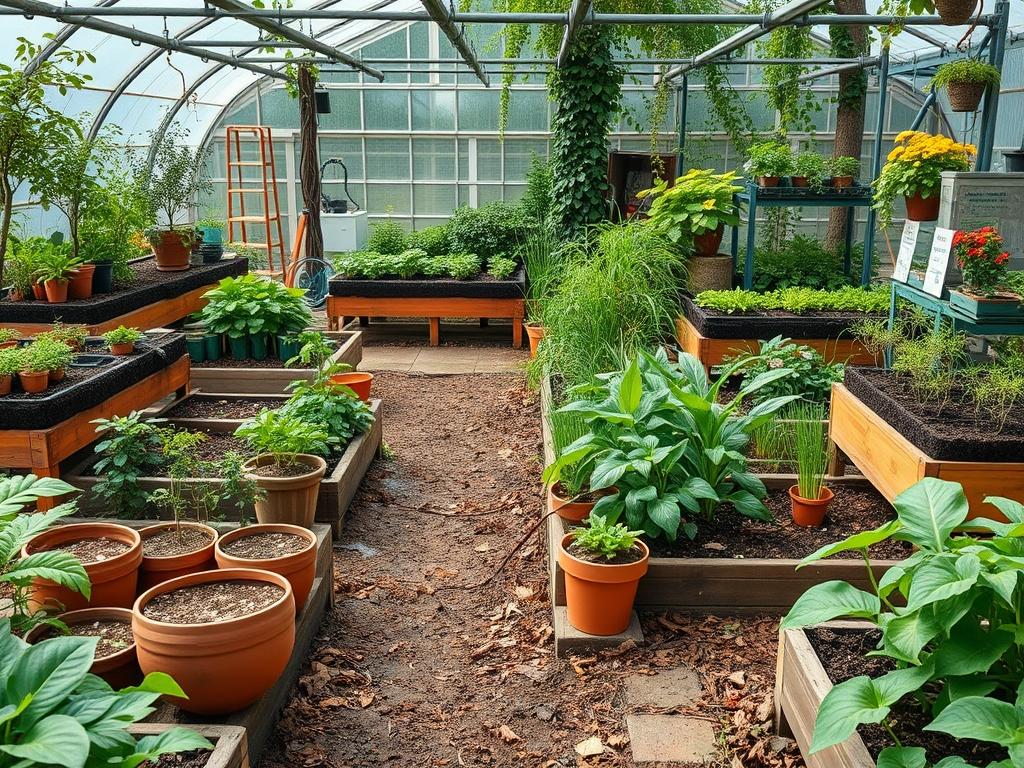
Elevation layers are equally critical in modern site planning. A flat yard often feels stagnant and small. By introducing varied heights through the use of raised beds, terracing, and carefully selected plant heights, you create a sense of depth and three dimensionality. This approach also allows for better irrigation planning. You can group plants with similar water needs in specific zones, a practice known as hydrozoning. This ensures that drought tolerant species are not overwatered by runoff intended for thirstier perennials. Modern deck maintenance tips often emphasize the importance of keeping the area below the deck clear of debris. By using Paver Borders and River Rock at the base of the deck, you can maintain a clean perimeter that facilitates airflow and prevents soil splashing against the wood.
Walkways should be designed to follow the natural flow of human traffic. A common mistake is to place paths where they look good on a blueprint rather than where people actually walk. Professional landscape architects look for cow paths, which are the worn tracks that indicate the most efficient route between two points. Using Flagstone or Permeable Pavers for these paths provides a stable surface that reduces soil compaction. Visual balance is the final touch. It involves the distribution of visual weight across the space. If one side of the deck is flanked by a massive Holly Hedge, the other side needs something of comparable visual mass, such as a grouping of large boulders or a decorative trellis, to prevent the yard from feeling lopsided.
Plant and Material Selection
Selecting the right materials involves more than picking colors that match the siding. You must consider the biological requirements of the plants and the physical properties of the hardscaping materials. Below is a breakdown of common selections for a modern, low maintenance landscape.
| Plant Type | Sun Exposure | Soil Needs | Water Demand | Growth Speed | Maintenance Level |
| :— | :— | :— | :— | :— | :— |
| Dwarf Boxwood | Full Sun to Part Shade | Well drained, Loamy | Moderate | Slow | Low |
| Purple Coneflower | Full Sun | Sandy, Poor Soil | Low | Moderate | Very Low |
| Switchgrass | Full Sun | Moist to Dry | Low | Fast | Seasonal Cutback |
| Japanese Maple | Filtered Shade | Rich, Acidic | Moderate | Slow | Moderate |
| Creeping Thyme | Full Sun | Sandy, Gritty | Very Low | Moderate | Low |
| Catmint | Full Sun | Average, Well drained | Low | Fast | Low |
| Blue Star Juniper | Full Sun | Well drained | Low | Slow | Very Low |
Implementation Strategy
The transition from a blueprint to a finished garden requires a disciplined step by step approach. The first phase is always grading. You must ensure that the ground slopes away from the house and the deck at a minimum of a 2-percent grade. This prevents water from pooling around the footings, which is a critical aspect of modern deck maintenance tips. Once the grade is established, you can install the skeletal infrastructure, including 4-inch perforated PVC pipes for drainage and the primary irrigation lines. It is much easier to bury these components before the plants and mulch are in place.
Next, focus on edging and hardscaping. Use a Steel Edger or Durable Composite Edging to create clean lines between the lawn and the garden beds. This prevents grass from encroaching on the deck or the flower beds, which reduces weeding time. When laying down mulch, aim for a 3-inch mulch depth. Mulch helps retain moisture for the plants, suppresses weeds, and regulates soil temperature. However, be careful to keep mulch at least 6 inches away from any wood structures to prevent rot and pest infestations. For the areas directly under and around the deck, consider using Geotextile Fabric topped with Crushed Stone. This creates a maintenance free zone that allows for maximum drainage.
The final step is the installation of the plants themselves. Large trees and shrubs should go in first to establish the structure of the garden. Smaller perennials and groundcovers fill in the gaps. When planting, always dig the hole twice as wide as the root ball but no deeper. If you plant too deep, you might suffocate the roots. If you plant too shallow, the roots might dry out. Water each plant immediately after installation to settle the soil and remove air pockets. A layer of Organic Compost mixed into the backfill can provide the nutrients necessary for a strong start.
Common Landscaping Failures
The most frequent failure in residential landscaping is poor drainage. If water does not have a clear path to exit the property, it will find its way into the basement or under the deck. Many homeowners fail to realize that their Downspouts are dumping hundreds of gallons of water directly next to the house foundation. Extending these pipes at least 10 feet away from the structure is a simple fix that saves thousands in repair costs. Another common issue is root overcrowding. It is tempting to plant shrubs close together to get an instant full look, but within three years, those plants will be competing for nutrients and space. This leads to stunted growth and increased susceptibility to disease.
Improper spacing is not just about the plants; it also applies to the distance between the landscape and the deck. Vines like English Ivy or Wisteria might look beautiful, but they trap moisture against the wood and can actually grow into the gaps between boards, causing structural damage. Soil compaction is another silent killer. During construction, heavy machinery often packs the soil down so tightly that air and water cannot reach the roots. Using a Core Aerator can help alleviate this issue. Finally, irrigation inefficiencies, such as watering during the heat of the day or using a system that sprays the deck boards rather than the soil, can lead to wasted water and premature wood decay.
Seasonal Maintenance
Landscape management is a year round commitment that changes with the seasons. In the Spring, the focus is on cleanup and preparation. This is the time to remove winter debris, prune any dead wood from shrubs, and apply a fresh layer of Pre-emergent Herbicide to prevent weeds. It is also the best time to inspect the deck for any winter damage. Modern deck maintenance tips suggest checking the ledger board and joists for any signs of water intrusion or soft spots during this spring inspection.
The Summer months require a focus on hydration. Check your Drip Irrigation system weekly to ensure there are no clogged emitters. If you are experiencing a heat wave, you may need to supplement rainfall with manual watering, particularly for new plants. Keep the lawn at a height of 3.5 inches to shade the soil and reduce evaporation. In the Autumn, your task is to manage the organic matter. Rake leaves away from the deck boards and the base of the house. If leaves are allowed to sit and rot on the deck, they will cause staining and promote mold growth. This is also the best time to plant new trees and shrubs, as the cooler temperatures allow for root development without the stress of summer heat.
Winter maintenance is often overlooked but remains vital. Ensure that all irrigation systems are properly blown out to prevent frozen pipes. If you use salt to melt ice on your walkways or deck, choose a Calcium Magnesium Acetate product, which is less damaging to both the wood and the surrounding plants. Avoid shoveling heavy piles of snow onto your garden beds, as the weight can break branches and the salt runoff can kill sensitive root systems. By following these seasonal rhythms, you protect your investment and ensure that your outdoor environment remains a source of pride rather than a burden.
Professional Landscaping FAQ
How does landscaping affect deck longevity?
Plants placed too close to the deck trap moisture and block airflow, leading to rot. Proper grading and the use of stone borders prevent water from pooling around the footings, which is essential for maintaining structural integrity over time.
What is the best mulch for deck borders?
Use inorganic materials like River Rock or Pea Gravel directly under and around the deck perimeter. Unlike wood mulch, stone does not retain moisture against the wood or attract wood-destroying insects like termites and carpenter ants.
How do I fix poor soil drainage?
Install a French Drain or a Catch Basin to redirected surface water. Ensure the soil slopes away from the house at a 2-percent grade and use permeable pavers to allow water to soak into the ground naturally.
Which plants are safest near wood structures?
Choose slow growing, non invasive species like Dwarf Conifers or Ornamental Grasses. Avoid aggressive climbing vines or large trees with expansive root systems that can heave deck footings or grow into the gaps of the decking material.
How often should I inspect my landscape?
Perform a detailed walkthrough at the start of every season. Check for irrigation leaks, encroaching foliage, and signs of soil erosion. Addressing these small issues early prevents costly structural repairs to your deck and hardscaping in the future.