
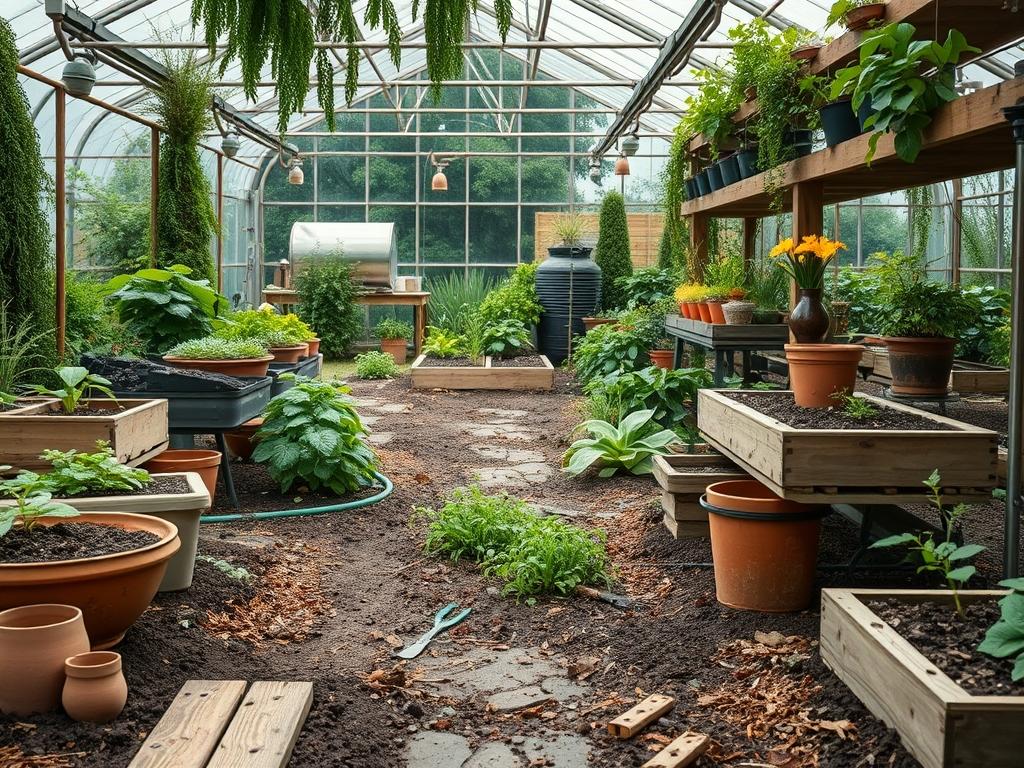
Professional landscaping requires a mastery of both aesthetic form and biological function. While the visual appeal of a project secures a client, the longevity of the installation depends entirely on the health of the underlying soil ecosystem. Composting for landscapers is no longer a niche ecological hobby; it is a critical strategy for managing site waste and reducing the overhead costs associated with soil amendments and fertilizers. By integrating organic waste cycles directly into the management of a property, a landscape architect can ensure that the nutrient density of the site remains high while minimizing the carbon footprint of the project. A well-designed landscape utilizes decomposed organic matter to improve soil structure, which in turn supports the long-term success of high-value plantings and reduces the frequency of replacement.
Integrating a comprehensive soil management plan into the initial design phase allows for better control over the site’s hydrology and nutrient profile. When a professional landscape firm adopts on-site or regional composting practices, they gain access to a superior product that is often more biologically active than bagged commercial alternatives. This practice enhances the curb appeal of the property by fostering vibrant foliage and robust blooms that resist disease and drought more effectively. Ultimately, the goal of any high-end outdoor environment is to create a space that feels both luxurious and permanent, a feat that is impossible without a scientific approach to soil regeneration.
Landscape Design Principles
Structural integrity in a landscape begins with the relationship between elevation and soil stability. When planning a site, professional architects must consider the geometric balance of focal points. These are often large specimen trees or hardscape features like a retaining wall or a stone fireplace. Symmetry provides a sense of formality and order, but it requires uniform growth rates across all plantings to remain effective. If the soil quality varies across a project site, a symmetrical hedge of Taxus x media may grow unevenly, ruining the visual line. Utilizing compost-enriched soil ensures a consistent nutrient baseline across the entire property, allowing for the predictable growth patterns necessary for formal designs.
Focal points should be supported by layers of elevation. This involves using grading techniques to create berms or sunken gardens that direct the eye. However, these elevation changes can lead to drainage issues if the soil is too compacted. Incorporating significant amounts of well-rotted organic matter improves the porosity of the soil, allowing water to infiltrate rather than run off. This architectural approach to soil density is essential when planning for irrigation systems, as the percolation rate of the soil determines the timing and frequency of watering cycles. A site with high organic content retains moisture longer, reducing the demand on local water resources.
Walkways and transitional zones also benefit from a strategic approach to soil management. The transition from a hardscape patio to a softscape lawn must be seamless. Edging should be crisp, and the soil along these borders must be fertile enough to support dense growth that prevents weed encroachment. By applying a layer of fine-screened compost beneath a layer of double-shredded hardwood mulch, a landscaper creates a bioactive barrier that suppresses weeds while feeding the root systems of nearby ornamental grasses. This level of detail in the design phase ensures that the visual balance of the site is maintained with minimal intervention over time.
Plant and Material Selection
The success of a landscape depends on matching the right species to the specific conditions of the site. High-quality compost allows for a broader range of plant selections by improving the cation exchange capacity of the soil. Below is a guide for selecting plants that thrive when supported by professional-grade organic amendments.
| Plant Type | Sun Exposure | Soil Needs | Water Demand | Growth Speed | Maintenance Level |
| :— | :— | :— | :— | :— | :— |
| Acer palmatum | Partial Shade | Loamy, Acidic | Moderate | Slow | High |
| Echinacea purpurea | Full Sun | Well-drained | Low | Medium | Low |
| Buxus sempervirens | Full to Partial | Neutral, Rich | Moderate | Slow | Medium |
| Hydrangea macrophylla| Partial Shade | Moist, Organic | High | Fast | Medium |
| Miscanthus sinensis | Full Sun | Adaptable | Low | Fast | Low |
| Ilex glabra | Full to Partial | Acidic, Moist | Moderate | Medium | Medium |
Selecting native plants whenever possible is a cornerstone of modern environment consultancy. These species have evolved to thrive in local climates, but they still require a healthy soil microbiome to resist the stressors of urban and suburban environments. The use of compost tea or top-dressing with organic humus provides these plants with a slow-release source of nitrogen, phosphorus, and potassium, which prevents the lanky, weak growth often associated with synthetic high-nitrogen fertilizers.
Implementation Strategy
The actual build phase of a landscape requires a methodical approach to soil preparation and structural layout. First, the site must be cleared of invasive species and debris. Once the rough grading is complete, a professional should assess the sub-grade for compaction. If the soil has been heavily compressed by construction equipment, it must be aerated using a subsoiler or a mechanical aerator before any amendments are added.
The next step involves the application of organic matter. For new garden beds, a layer of three to four inches of compost should be tilled into the top six inches of the soil. This creates a transition zone that encourages roots to move downward rather than circling near the surface. After the soil is prepared, the layout of the hardscape features, including pavers and natural stone paths, should be established. Drainage is the most critical component during this phase. Installing a French drain or a dry creek bed ensures that excess water is diverted away from the foundation of the home and toward a rain garden or a collection point.
Once the hardscaping is in place, planting can begin. Each planting hole should be dug significantly wider than the root ball to allow for the addition of supplemental organic starter fertilizer and compost. After the plants are set, edging tools should be used to define the borders clearly. Finally, a consistent mulch depth of two to three inches should be applied across all beds. This mulch acts as a protective blanket, preserving the moisture in the compost layer and protecting the delicate soil microbes from ultraviolet radiation.
Common Landscaping Failures
One of the most frequent mistakes in professional landscaping is poor drainage planning. When water sits stagnant around the root zone of a plant, it creates anaerobic conditions that lead to root rot. Even the best compost for landscapers cannot fix a plant that is drowning. Professional designers must ensure that the grade falls away from the primary planting zones at a rate of at least two percent. Another common failure is root overcrowding. It is tempting to plant closely for immediate impact, but this leads to competition for nutrients and light within three to five years. Proper spacing, as defined by the mature spread of the species, is vital for long-term health.
Soil compaction is a silent killer in many new developments. Heavy machinery destroys the soil structure, leaving it as hard as concrete. If a landscaper simply places sod or plants on top of compacted clay, the roots will fail to penetrate the subsoil, leading to a shallow root system that is highly susceptible to drought. Furthermore, irrigation inefficiencies often plague professional projects. Over-watering can be just as damaging as under-watering. Systems should be calibrated to the specific water-holding capacity of the amended soil. A compost-rich soil holds significantly more water than sand or heavy clay, meaning that standard irrigation timers may need to be adjusted downward to prevent saturating the site.
Seasonal Maintenance
Landscape management is a year-round commitment that changes with the cycles of the climate. In the spring, the focus should be on clean-up and revitalization. This is the ideal time to apply a fresh layer of screened compost as a top-dress to all garden beds and turf areas. Testing the pH of the soil using a professional soil probe allows for the precise application of lime or sulfur if adjustments are needed before the heat of summer arrives.
Summer maintenance centers on moisture management and pest control. During periods of high heat, the organic matter in the soil helps maintain a cooler root temperature. Landscapers should monitor for signs of drought stress and ensure that the mulch layer has not thinned out. Autumn is the season for soil building. As leaves fall, they can be shredded and added back into the compost pile or used as a nutrient-rich mulch. This is also the best time for core aeration and overseeding of turfgrass, as the cooling temperatures and fall rains help new roots establish.
Winter is the time for structural pruning and planning for the next season. It is also the most active time for managing the compost bins or windrows. Turning the compost in late winter helps accelerate the decomposition process, ensuring that a fresh supply of organic amendment is ready for the spring planting season. By following this quarterly schedule, a landscape professional ensures that the aesthetic beauty of the site is backed by a resilient and self-sustaining biological engine.
Professional Landscaping FAQ
How does composting reduce project costs for professionals?
By processing green waste on-site, landscapers eliminate disposal fees and reduce the need to purchase external soil amendments. This creates a closed-loop system that cuts down on material transportation costs while providing a high-quality product for future installations.
What is the ideal ratio for mixing compost into native soil?
For most residential and commercial projects, a mix of thirty percent compost to seventy percent native soil is ideal. This ratio significantly improves the soil’s water retention and nutrient availability without drastically altering the existing soil architecture or drainage patterns.
Can compost be used in place of traditional mulch?
While compost provides superior nutrients, it does not suppress weeds as effectively as bark mulch. For the best results, use a thin layer of compost for fertilization followed by two inches of hardwood mulch to provide environmental protection and weed suppression.
How do I prevent my compost piles from smelling?
Odors are typically a sign of anaerobic conditions or improper ratios. Ensure the pile has adequate oxygen by turning it regularly with a pitchfork or loader. Maintain a balance of brown carbon materials to green nitrogen materials to prevent ammonia odors.
Should I add chemical fertilizers to compost-amended soil?
In most cases, the biological activity in composted soil makes synthetic fertilizers unnecessary. If a specific nutrient deficiency is identified through testing, use slow-release organic fertilizers to avoid damaging the beneficial microbes and fungi that the compost has introduced.