
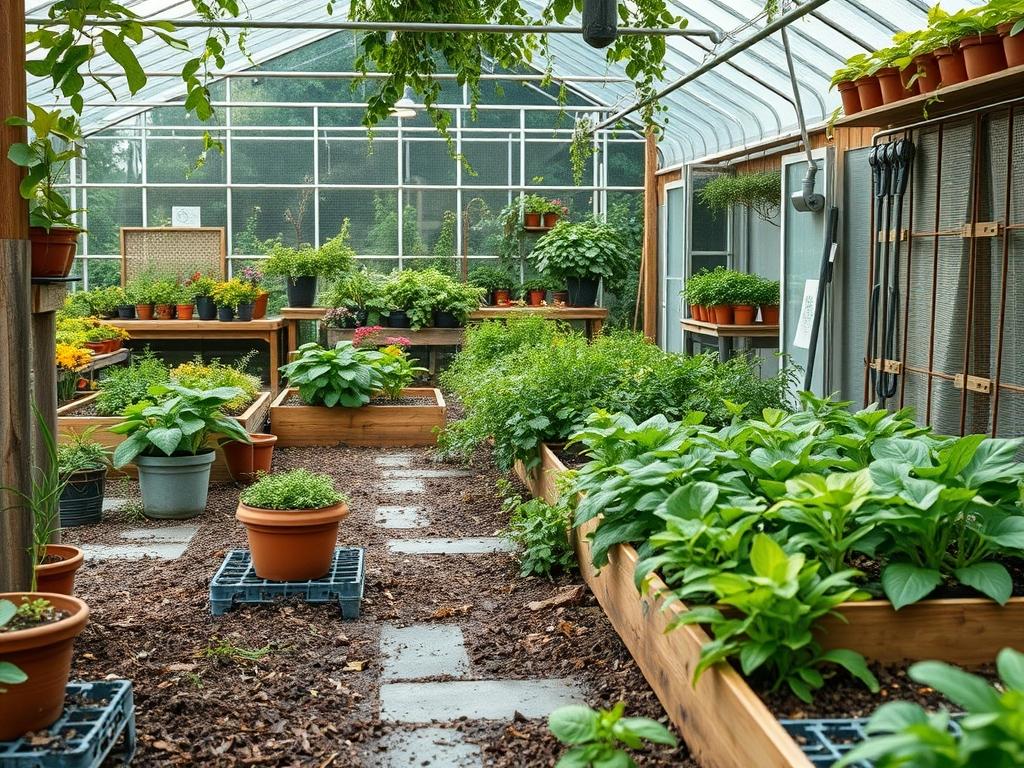
Achieving a professional landscape that balances high end curb appeal with ecological vitality requires a shift in traditional suburban thinking. Many homeowners struggle with the transition from winter dormancy to spring growth, often opting for sterile, high maintenance lawns that offer little to the local environment. As a consultant, I view the yard not merely as a frame for the architecture of the house, but as a living infrastructure. Creating pollinator friendly yards during the spring season is the most effective way to ensure long term garden health and visual vibrancy. This approach demands a nuanced understanding of climate considerations, where the goal is to provide nectar, pollen, and habitat without sacrificing the sophisticated aesthetic expected in modern residential design. Functional outdoor spaces must serve the human occupants while simultaneously supporting the bees, butterflies, and hummingbirds that drive the local ecosystem. By integrating specific structural elements and botanical variety, we can transform a static property into a dynamic, thriving landscape that enhances property value and environmental resilience.
Landscape Design Principles
Professional landscape architecture relies on the concepts of symmetry and visual balance to guide the eye. When designing pollinator friendly yards, the first tip is to utilize a concept called “ordered chaos.” This involves placing diverse, nectar rich plantings within very structured borders. To maintain curb appeal, use defined landscape edging or low retaining walls to contain the organic shapes of native perennials. This creates a clear distinction between intentional design and wild growth.
The second tip focuses on elevation layers. A well designed yard should feature at least three vertical tiers: the canopy, the understory, and the ground cover. Incorporating specimen trees like the Eastern Redbud provides early spring nectar at the canopy level, while mid sized shrubs and low lying flowers fill the middle and lower gaps. This verticality is not just for aesthetics; it provides different niches for various pollinator species.
Third, consider focal points and symmetry. Even in a wildlife forward garden, the human eye needs a place to rest. This might be a high quality stone birdbath or a modern sculptural water feature. These elements serve a dual purpose by providing much needed hydration for insects and birds. Fourth, group your plantings in “drifts” rather than scattering individual specimens. Planting at least five to seven of the same species, such as Purple Coneflower, in a tight cluster allows pollinators to find food sources more efficiently through color recognition.
Fifth, irrigation planning is critical. For pollinator gardens, drip irrigation is superior to overhead sprayers. It delivers moisture directly to the root zone, reducing the risk of fungal diseases on the foliage. Sixth, walkways should be designed to invite humans into the space. Using flagstone or decomposed granite for paths allows for a permeable surface that mimics natural environments while providing a clean, architectural line through the garden beds.
Plant and Material Selection
Selecting the right materials and flora is the cornerstone of a sustainable yard. Seventh, prioritize native plants that have co-evolved with local wildlife. Eighth, vary the flower shapes within your beds to accommodate different mouthparts, including tubular flowers for hummingbirds and flat, platform-like flowers for butterflies. Ninth, ensure a succession of blooms from early spring through late autumn.
| Plant Type | Sun Exposure | Soil Needs | Water Demand | Growth Speed | Maintenance Level |
| :— | :— | :— | :— | :— | :— |
| Asclepias tuberosa | Full Sun | Well drained, sandy | Low | Moderate | Low |
| Monarda fistulosa | Full/Partial Sun | Rich, moist | Medium | Fast | Moderate |
| Symphyotrichum | Full Sun | Average, loamy | Medium | Fast | Low |
| Solidago | Full/Partial Sun | Adaptable | Low | Fast | Very Low |
| Echinacea purpurea | Full Sun | Well drained | Low | Moderate | Low |
| Liatris spicata | Full Sun | Moist, rich | Medium | Moderate | Low |
Implementation Strategy
The actual installation of your pollinator garden requires a methodical approach to infrastructure. Tenth, begin with a thorough site analysis to check for drainage and grading. Use a transit level to ensure that water moves away from the home foundation. If the yard has low spots, consider installing a rain garden which utilizes moisture loving plants to filter runoff.
Eleventh, soil preparation is vital. Avoid synthetic fertilizers which can harm the very insects you are trying to attract. Instead, incorporate organic compost to a depth of 6 inches to build soil structure and provide slow release nutrients. When laying out the beds, use a garden hose to mark the curves of the borders before cutting the edges with a spade.
Twelfth, consider the nesting needs of pollinators. Modern landscaping often “cleans” away the very things insects need to survive. Leave a small, unobtrusive area of bare soil for ground nesting bees, and avoid removing all dead wood. Strategically place a few mason bee houses near your flowering perennials to provide immediate habitat. Finally, apply a 3 inch layer of hardwood mulch to suppress weeds and retain moisture, but keep it a few inches away from the base of trunks and stems to prevent rot.
Common Landscaping Failures
One of the most frequent mistakes in professional landscaping is improper drainage. If water pools near the root ball of a newly planted Serviceberry, the lack of oxygen will lead to root rot. Ensuring a proper grade of at least 2 percent slope away from structures is essential. Another common failure is root overcrowding. It is tempting to plant for “instant impact,” but failing to account for the mature width of shrubs leads to poor air circulation and stunted growth within three years.
Soil compaction is a hidden killer in many new developments. Heavy machinery during construction crushes the soil pores, making it impossible for roots to penetrate. Forcing plants into compacted clay without mechanical aeration or organic amendment will result in high mortality rates. Additionally, many homeowners over irrigate their native plants. Once established, native species are often drought tolerant; excessive watering can weaken their structure and reduce the concentration of sugar in their nectar, making them less attractive to pollinators. Finally, the use of systemic pesticides is a total failure of intent. These chemicals permeate the entire plant, including the pollen and nectar, effectively turning a pollinator garden into a trap.
Seasonal Maintenance
Spring maintenance is about preparation and cleanup. Remove dead stalks from the previous year only after temperatures consistently stay above 50 degrees Fahrenheit, as many beneficial insects overwinter in hollow stems. This is also the time to apply a fresh layer of compost tea and check the functionality of your irrigation timers.
Summer requires diligent monitoring of hydration levels, especially for younger plants. Deadheading certain species like Salvia can encourage a second flush of blooms, providing a late summer food source. Ensure that water sources for pollinators are cleaned regularly to prevent the spread of disease or mosquito breeding.
Autumn is the season for planting. The cooler air and warm soil are ideal for root development. Instead of raking every leaf, mulch them back into the garden beds. Leaves provide essential winter cover for queen bumblebees and butterfly pupae. Do not cut back your seed heads during this time; they provide vital winter food for local bird populations.
Winter landscape management should be hands off. Avoid salt based de-icers near garden beds, as these can drastically alter soil pH and damage sensitive perennials. Use the dormant season to plan for next year, observing where snow melts first to identify the warmest microclimates on your property for early spring bloomers.
Professional Landscaping FAQ
What is the best way to transition a lawn to a pollinator garden?
Use the sheet mulching method by covering existing grass with cardboard and compost. This kills the turf without chemicals, creates a rich planting medium, and preserves soil microbiology for your new native species.
How can I make a pollinator garden look professional and tidy?
Utilize “cues to care” such as crisp steel edging, mown grass paths, and intentional groupings of plants. Maintaining a clean border signifies to neighbors that the wilder, nectar rich interior is a deliberate architectural choice.
Do I need to worry about bees stinging my family?
Native solitary bees and honeybees foraging on flowers are remarkably docile. They are focused on nectar collection and rarely sting unless physically crushed. Avoiding nests near high traffic walkways ensures a safe, harmonious environment for everyone.
What are the best plants for shady pollinator yards?
Species like Wild Columbine, White Snakeroot, and Woodland Phlox thrive in lower light conditions. These provide essential resources in areas where traditional sun loving pollinator plants would fail to bloom effectively.
How much mulch should I use in a pollinator garden?
Apply approximately 3 inches of organic mulch to regulate temperature and moisture. However, leave small patches of bare earth in sunny spots to allow ground nesting bees, which represent the majority of native species, access to the soil.