
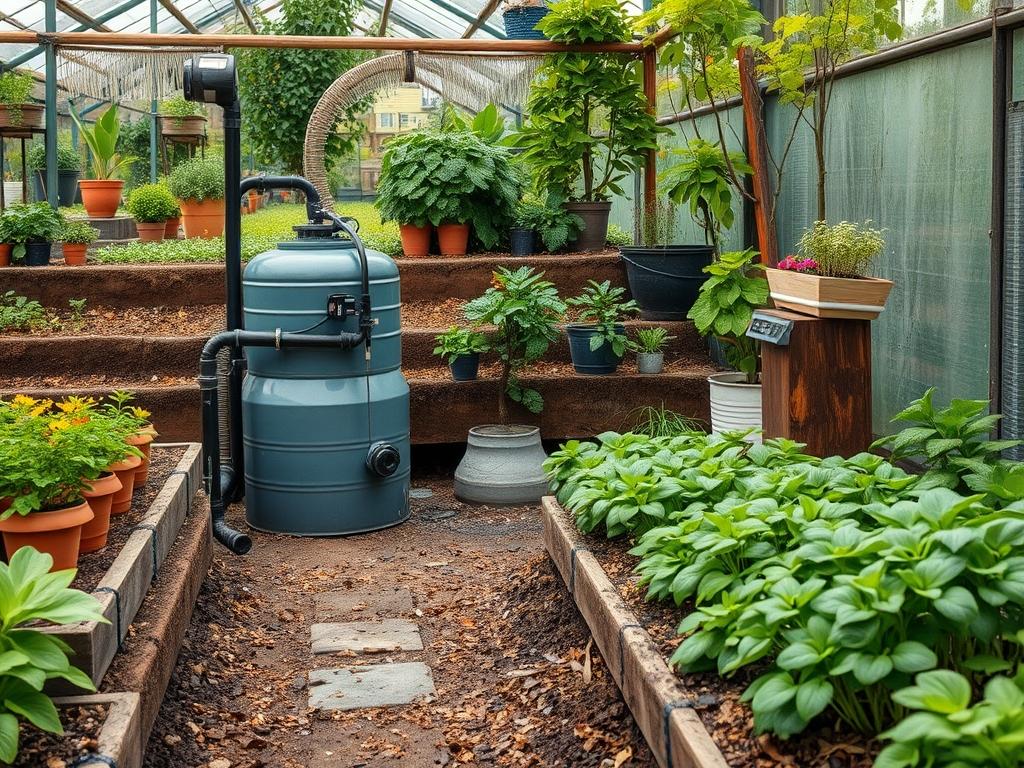
Modern water management has transitioned from a hidden utility to a centerpiece of sophisticated outdoor design. For years, the standard approach to heavy rainfall involved directing runoff as quickly as possible into municipal storm drains; however, this method ignores a valuable resource and often contributes to local erosion. Today, high-end landscape architecture treats Rainwater Harvesting Systems as both a functional necessity and an aesthetic asset. The challenge lies in integrating storage tanks, filtration units, and distribution networks into a cohesive site plan that enhances curb appeal rather than detracting from it. Homeowners now demand systems that provide a reliable water source for high-maintenance gardens while maintaining a sleek, modern aesthetic. By viewing the entire property as a catchment area, we can create environments that are resilient against drought and visually stunning.
The primary goal of a modern harvesting plan is to synchronize the architecture of the home with the natural topography of the land. Most residential projects focus on the roof as the primary collection surface, but the landscape itself plays a crucial role in managing the surplus. Effective design considers how water moves across the site, using elevation changes to facilitate gravity-fed irrigation and creating swales that double as lush, verdant lowlands. We are no longer limited to the plastic blue barrels of the past. Current trends involve industrial-chic galvanized steel cisterns, subterranean modular storage, and decorative rain chains that turn a downpour into a sensory experience. These elements must be balanced with the outdoor living spaces, ensuring that the infrastructure supports the lifestyle of the inhabitants while securing the health of the botanical collection.
Landscape Design Principles
Achieving a professional finish requires a commitment to symmetry and visual balance. When installing large-scale Rainwater Harvesting Systems, the placement of the primary storage vessel acts as a major focal point. If the tank is above ground, it should be framed with architectural elements such as cedar screening or industrial gabion walls filled with local river rock. This creates a sense of intentionality, making the system look like a deliberate design choice rather than an aftermarket addition. Symmetry can be maintained by flanking entryways with identical collection vessels or by using the tank to anchor one end of a long, linear garden bed.
Elevation layers are perhaps the most critical technical aspect of a holistic water plan. By placing storage units at the highest point of the grade, designers can utilize gravity to power drip irrigation lines without the need for high-voltage pumps. This creates a natural flow that mirrors the site’s original hydrology. Furthermore, walkways and hardscaped areas should be designed with permeable pavers or decomposed granite to allow secondary infiltration into the soil. This prevents ponding on patios and ensures that even the water not captured by the roof is put to work recharging the local water table. Visual balance is achieved by staggering plant heights around the system, using taller shrubs to soften the vertical lines of large tanks.
Plant and Material Selection
The following table provides a selection of species that are particularly well-suited for inclusion in a landscape supported by harvesting systems. These plants are chosen for their ability to handle the specific moisture fluctuations found in rain gardens and near irrigation outlets.
| Plant Type | Sun Exposure | Soil Needs | Water Demand | Growth Speed | Maintenance Level |
| :— | :— | :— | :— | :— | :— |
| Blue Flag Iris | Full Sun to Partial Shade | Moist, acidic | High | Moderate | Low |
| River Birch | Full Sun | Well-drained, wet | High | Fast | Medium |
| Maiden Grass | Full Sun | Adaptable | Low to Moderate | Moderate | Low |
| Swamp Milkweed | Full Sun | Heavy clay, moist | High | Fast | Low |
| Purple Coneflower | Full Sun | Well-drained | Low | Moderate | Low |
| Native Sedge | Partial to Full Shade | Consistently moist | Moderate | Slow | Low |
Implementation Strategy
Planning a comprehensive garden layout begins with a detailed site analysis. You must first calculate the potential yield of your roof surface. For every 1 inch of rain falling on a 1,000 square foot roof, you can theoretically capture approximately 600 gallons of water. Once the potential volume is established, the grading of the backyard must be inspected. The ground should always slope away from the home’s foundation at a minimum of 2 percent grade. This ensures that in the event of a tank overflow, the excess water does not compromise the structural integrity of the building.
The next phase involves the installation of the first flush diverter. This tool is essential for water quality; it ensures that the initial wash of water from the roof, which contains dust and debris, is diverted away from the storage tank. Only the subsequent, cleaner water enters the system. Underground piping, typically 4-inch PVC, should be buried below the frost line to prevent cracking in colder climates. For the finishing touches, shredded hardwood mulch should be applied at a depth of 3 inches throughout the garden beds. This layer of mulch suppresses weeds and retains the harvested moisture, reducing the frequency of irrigation cycles. Finally, steel edging can be used to create crisp lines between functional drainage areas and decorative lawn spaces.
Common Landscaping Failures
The most frequent mistake in rainwater design is the failure to plan for the “100-year storm” event. When a Rainwater Harvesting System reaches its maximum capacity during an exceptional downpour, the overflow must be directed to a safe location. If a French drain or a dedicated overflow pipe is not correctly positioned, the resulting erosion can wash away expensive landscaping and undermine retaining walls. Another common issue is irrigation inefficiency caused by improper pump selection or clogged emitters. Without a fine-mesh stainless steel screen at the tank inlet, organic matter will quickly foul the narrow lines of a drip system.
Soil compaction is a silent killer in newly landscaped yards. During construction, heavy equipment often packs the soil so tightly that it becomes nearly as impermeable as concrete. If the soil is not properly aerated and amended with organic compost before planting, even the most sophisticated irrigation system will fail to keep plants alive, as the water will simply run off the surface rather than reaching the roots. Furthermore, many homeowners underestimate the weight of stored water. A full 500-gallon cistern weighs over 4,100 pounds. Without a reinforced concrete pad or a compacted gravel base, the tank will settle unevenly, leading to broken pipe connections and structural failure of the vessel.
Seasonal Maintenance
Spring is the season of preparation. This is when the entire system must be inspected for leaks that may have developed during winter thaws. Homeowners should clean all gutters and downspouts, ensuring that no leaf litter from the previous autumn remains to clog the filtration screens. It is also the ideal time to test the submersible pump and flush out the irrigation lines to remove any sediment that settled during the dormant months.
Summer maintenance focuses on evaporation control and monitoring. As temperatures rise, the water in above-ground tanks can warm up, which may encourage algae growth if the tank is not opaque. Checking the health of the plants is paramount during this period. You should look for signs of over-watering in the rain garden zones and adjust the timing of your automated controllers accordingly. In Autumn, the priority shifts back to debris management. As leaves fall, the leaf slides and pre-filtration baskets must be emptied weekly. This prevents the organic material from breaking down into a sludge that is difficult to remove from the bottom of the cistern.
Winter management is perhaps the most critical for those in northern latitudes. If the system is not designed to be frost-proof, the tanks must be drained and the valves left open to prevent ice expansion from bursting the fittings. For underground systems, ensuring the access manhole is tightly sealed against road salt and snow melt is vital to maintain the purity of the stored water for the coming spring.
Professional Landscaping FAQ
How large should my storage tank be for a standard garden?
To calculate the ideal size, multiply your weekly irrigation needs by the average length of dry spells in your area. Typically, a 500 to 1,000 gallon system covers most suburban ornamental gardens during moderate drought periods.
Can I use harvested rainwater for my vegetable garden?
Yes, but safety is paramount. Ensure you use a first flush diverter and high-quality filtration to remove zinc or bird droppings. For maximum safety, apply the water directly to the soil rather than spraying the leaves of the plants.
Do these systems attract mosquitoes to my property?
Not if designed correctly. Every entry and exit point of the system must be sealed with a fine-mesh screen. This prevents insects from entering the tank to breed while still allowing water to flow freely into the storage vessel.
What is the best material for an aesthetic cistern?
For modern homes, galvanized steel provides a sleek, industrial look. For traditional settings, consider wooden-clad tanks or high-density polyethylene vessels hidden behind stone masonry or decorative lattice panels that match the existing architecture of the home.
Does rainwater harvesting increase my property value?
Professionally installed systems frequently increase property value by demonstrating sustainable resource management and reducing long-term utility costs. They are viewed as a premium upgrade, especially in regions prone to water restrictions or rising municipal water rates.