
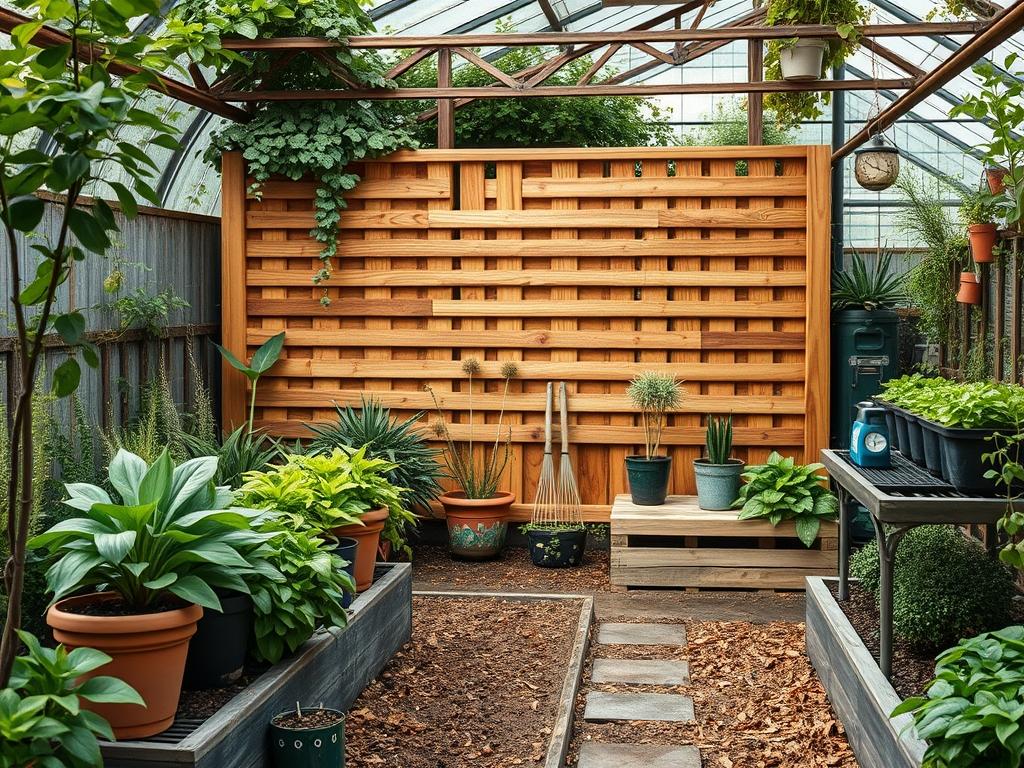
Privacy in a modern landscape acts as the structural frame for an outdoor living room, defining the boundaries where architecture meets the natural world. As residential lots become tighter and urban density increases, the challenge for any landscape architect lies in creating a sense of seclusion without making the inhabitant feel caged. This is where the selection of a Backyard Privacy Screen Wood becomes a critical design decision. It is not merely about blocking a neighbor’s view; it involves selecting materials that respond to local humidity, wind loads, and the aesthetic language of the home. A well-planned wood screen provides more than just utility. It enhances curb appeal and increases property value by creating a functional, multi-season sanctuary. When we evaluate wood types, we must consider the microclimate of the site. A coastal property requires hardware and timber that can withstand salt spray, whereas an arid inland garden needs wood with high dimensional stability to prevent warping under intense UV exposure.
Landscape Design Principles
Effective privacy screening relies on the fundamental principles of symmetry and visual balance. A towering wall of Western Red Cedar can feel imposing if it is not softened by layered elevation. We recommend using the screen as a neutral backdrop, a vertical plane that allows the textures of foreground plantings to pop. Focal points should be integrated into the screen design, perhaps through a transition in slat orientation or the inclusion of an architectural gate. This breaks the monotony of a long perimeter.
Elevation layers are equally important. Instead of a single 6-foot wall, consider a tiered approach where a 4-foot wooden planter box sits at the base of a 2-foot lattice top. This creates depth and allows for the integration of irrigation lines within the structure itself. Walkways should be planned to lead the eye toward these screens, using them to terminate a vista or to hug the edge of a seating area. Proper planning also accounts for the “borrowed view,” where the screen hides a driveway but leaves a gap to frame a distant treetop or mountain range, maintaining a connection to the broader environment.
Plant and Material Selection
The following table summarizes the primary organic and inorganic elements used to complement a Backyard Privacy Screen Wood installation. Selecting the right species ensures that the living elements do not compete visually or physically with the wooden structure.
| Plant Type | Sun Exposure | Soil Needs | Water Demand | Growth Speed | Maintenance Level |
| :— | :— | :— | :— | :— | :— |
| Emerald Green Arborvitae | Full Sun | Well-drained | Moderate | Medium | Low |
| Star Jasmine | Full to Part Sun | Rich Loam | Moderate | Fast | Medium |
| Green Velvet Boxwood | Part Shade | Well-drained | Moderate | Slow | Medium |
| Karl Foerster Grass | Full Sun | Any / Heavy | Low | Fast | Low |
| English Ivy | Shade | Moist | Low | Aggressive | High |
| Japanese Maple | Filtered Sun | Slightly Acidic | High | Slow | Medium |
When choosing the wood itself, Ipe stands out for its extreme density and fire resistance, though it requires specialized Carbide-tipped Saw Blades for cutting. Redwood offers a classic California aesthetic with natural resistance to decay and insects. For a more budget-conscious project, Pressure-treated Pine remains the standard, provided it is sealed properly to prevent the leaching of chemicals into the surrounding soil.
Implementation Strategy
The successful installation of a wood privacy screen begins with a comprehensive site survey. Start by marking the site with String Lines and Landscaping Stakes to ensure perfectly straight runs. Grading is the next priority. If the ground slopes more than 2 inches over a 10-foot span, the screen should be stepped rather than slanted to maintain architectural integrity.
Post holes are the foundation of the project. In most climates, these should be dug to a depth of 36 to 42 inches to sit below the frost line. Fill the bottom 4 inches with Crushed Gravel to facilitate drainage and prevent the wooden post from sitting in standing water. Once the 4×4 Posts are set in Quick-set Concrete, use a Post Level to verify vertical accuracy on two planes.
For the screening material, horizontal slats provide a modern, sleek look. Use 1/2-inch Spacers between boards to allow for natural expansion and contraction of the wood fibers. Finish the implementation with Metal Post Caps to prevent water from soaking into the end grain. Finally, apply a UV-resistant Stain to lock in the color and protect against the silvering effect caused by sun exposure.
Common Landscaping Failures
The most frequent mistake in domestic landscaping is neglecting the relationship between wood and water. Designing a screen where the wood touches the soil directly will lead to premature rot, regardless of the species. Always maintain at least a 2-inch gap between the bottom slat and the mulch or soil.
Root overcrowding is another silent failure. Homeowners often plant fast-growing hedges too close to the wooden screen. As the trunks expand, they push against the boards, causing the fence to lean or the fasteners to pop. Similarly, improper spacing of the vertical posts can lead to “fencing fatigue,” where the weight of the wood causes the horizontal rails to sag over time.
Irrigation inefficiency is also a major concern. If an automatic Sprinkler System hits the wood screen directly every morning, the wood will develop mold and water stains. Aim nozzles away from the structure and use Drip Irrigation for plants located at the base of the screen. Lastly, many fail to account for wind load. A solid wood wall acts like a sail; in high-wind areas, incorporate small gaps or “louvers” to allow air to pass through, reducing the pressure on the footings.
Seasonal Maintenance
Landscape management is a year-round commitment that changes with the light and temperature. In the spring, inspect all hardware. Tighten any Lag Bolts or Decking Screws that may have loosened during the winter freeze-thaw cycles. This is also the time to apply a fresh layer of Bark Mulch, ensuring it is kept away from the wooden posts to prevent moisture retention.
Summer maintenance focuses on hydration and UV protection. If the wood appears “thirsty” or shows fine cracks, it may need an additional coat of oil. Clean the surface with a Soft-bristle Brush and mild soap to remove pollen and dust.
Autumn is the season for debris management. Falling leaves can trap moisture against the base of the screen, leading to fungal growth. Clear all organic matter from the base and check the Drainage Grates to ensure heavy fall rains can move away from the structure.
Winter is a dormant period, but it is the best time to prune any deciduous plants that have grown too close to the screen. Removing heavy snow loads from horizontal rails prevents structural bowing. If you live in an area where salt is used for de-icing, rinse the base of the wood and any metal fasteners with fresh water during a mid-winter thaw to prevent corrosion.
Professional Landscaping FAQ
Which wood type lasts the longest for a privacy screen?
Ipe and Western Red Cedar are the top performers. Ipe can last over 40 years due to its incredible density and natural oils, while high-grade Cedar typically provides 20 to 25 years of service with proper staining.
How deep should I set my screen posts?
Posts should generally be buried to a depth equal to one-third or one-half of the above-ground height. For most 6-foot privacy screens, a depth of 3 feet or 36 inches is the professional standard for stability.
Can I use wood screens to reduce neighborhood noise?
While wood screens provide excellent visual privacy, they are less effective for sound. To dampen noise, use thick, tongue-and-groove Cedar boards with no gaps, and supplement the structure with a dense row of Evergreen Shrubs.
Do I need a permit for a tall privacy screen?
Most municipalities require a permit for any structure over 6 feet in height. Always check local zoning laws and HOA guidelines before choosing your Backyard Privacy Screen Wood to avoid costly fines or removal orders.
How do I prevent my wood screen from turning gray?
The graying effect is caused by UV radiation breaking down the lignin in the wood. To maintain the original color, apply a Penetrating Oil Stain with UV inhibitors every 2 to 3 years depending on sun exposure.