
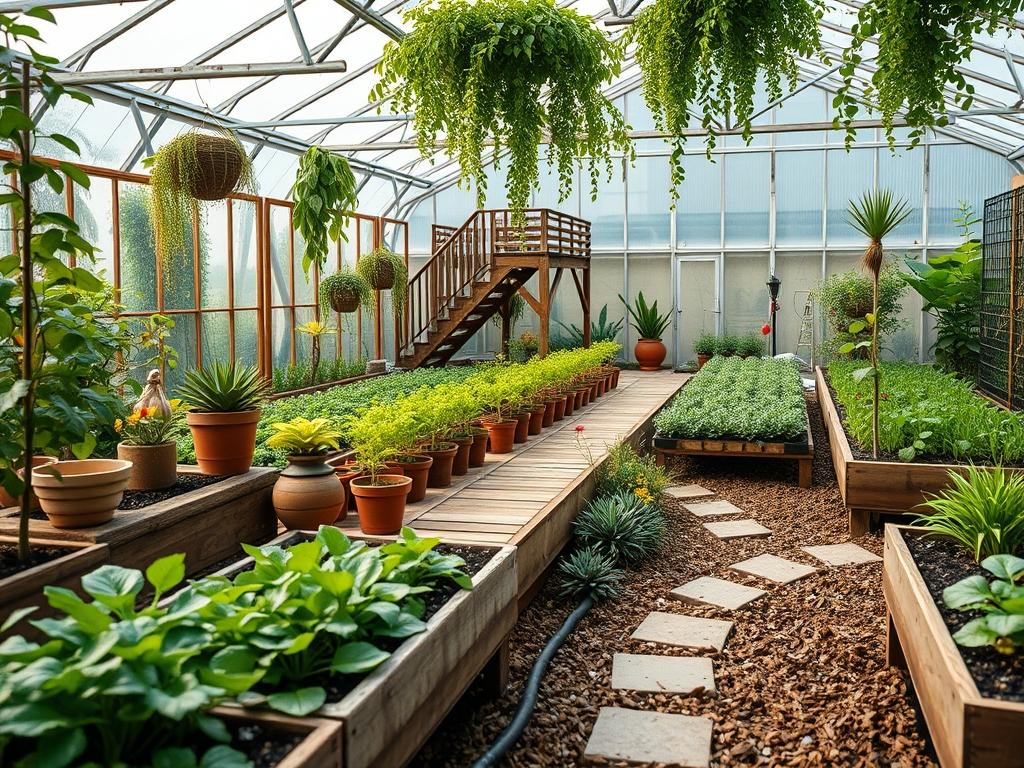
Designing a sanctuary within a residential landscape requires balancing structural integrity with atmospheric tranquility. The primary challenge in yoga deck construction involves choosing materials that resist the elements while remaining comfortable underfoot for barefoot practitioners. In climates with high humidity or heavy snowfall, the choice of substrate and surface material determines whether the installation remains a functional asset or becomes a maintenance liability. Beyond literal functionality, a well-placed deck enhances curb appeal by creating a structured focal point that suggests a lifestyle of wellness and intentionality. The goal of a professional landscape architect is to merge the deck into the existing topography so that it feels like a natural extension of the earth rather than a forced geometric addition. This requires a deep understanding of site orientation, thermal properties of materials, and the surrounding horticultural environment.
Landscape Design Principles
Successful yoga deck construction begins with the principle of symmetry and visual weight. Because yoga is a practice rooted in balance, the environment should reflect that stability. A deck tucked into a corner should be balanced by a grouping of native plants or a significant hardscape feature on the opposite side. Focal points are equally crucial. A practitioner’s gaze often rests on a single spot during balance poses, so the implementation of a water feature, a majestic Acer palmatum, or a strategically placed sculpture provides the necessary visual anchor for the space.
Elevation layers play a vital role in defining the energy of the garden. By raising the deck slightly, perhaps by 6 inches to 12 inches above the surrounding grade, you create a psychological separation from the rest of the yard. This slight lift also serves a practical purpose by improving airflow beneath the structure, which prevents moisture buildup and wood rot. Regarding irrigation planning, the deck must be designed so that overspray from sprinklers does not regularly drench the surface. Drip irrigation for surrounding garden beds is preferred to keep the deck dry and prolong the life of the finish.
Walkways should be designed as a transitionary experience. Instead of a direct, straight path, a winding walkway made of flagstone or decomposed granite encourages a slower pace, preparing the mind for meditation. Visual balance is achieved by softening the hard edges of the deck with “creeping” plants or ornamental grasses that sway in the wind, breaking up the rigid lines of the timber or composite boards.
Plant and Material Selection
| Plant or Material | Sun Exposure | Soil Needs | Water Demand | Growth Speed | Maintenance Level |
| :— | :— | :— | :— | :— | :— |
| Ipe Hardwood | Full Sun to Shade | N/A | N/A | N/A | Low (if oiled) |
| Western Red Cedar | Full Sun to Shade | N/A | N/A | N/A | Moderate |
| Capped Composite | Full Sun | N/A | N/A | N/A | Very Low |
| Lavandula angustifolia | Full Sun | Well-drained | Low | Medium | Seasonal Pruning |
| Miscanthus sinensis | Full Sun | Average | Moderate | Fast | Annual Cutback |
| Carex pensylvanica | Partial Shade | Loamy/Moist | Moderate | Medium | Low |
| Japanese Maple | Filtered Sun | Rich/Well-drained | Moderate | Slow | Minimal |
Material selection for the deck surface is the most critical decision in the planning phase. Ipe, a Brazilian hardwood, is often the gold standard due to its incredible density and resistance to insects and rot. It has a Class A fire rating, which is the same as concrete. However, it can become quite hot in direct sunlight. Western Red Cedar is a more traditional, aromatic choice that offers natural tannins to repel decay, though it requires frequent staining to maintain its color. For those seeking the lowest possible maintenance, Capped Composite decking mimics the look of wood without the risk of splinters, though the professional consultant must ensure the specific product has high thermal dissipation so it does not burn the soles of the feet during mid-day sessions.
Implementation Strategy
The construction process must begin with a thorough site analysis and grading plan. To ensure proper drainage, the ground beneath the intended deck must be sloped away from the house at a minimum of 2 percent grade. If the deck is being built onto a slope, a retaining wall may be necessary to create a level terrace. Once the site is cleared, the layout is marked using string lines and batter boards.
Foundation support is the next step. For a permanent yoga deck, concrete piers or helical piles should be installed below the frost line to prevent shifting. After the posts are set, the frame is constructed using pressure-treated 2×6 or 2×8 joists, depending on the span. A critical detail is the application of joist tape to the top of the beams, which prevents water from sitting in the screw holes and causing internal rot.
Edging the perimeter of the deck with steel or aluminum edging creates a clean break between the hardscape and the garden beds. A layer of landscape fabric topped with 3 inches of crushed stone should be placed under the deck to suppress weeds and facilitate drainage. Finally, the decking boards are installed with a 1/8-inch to 1/4-inch gap to allow for natural expansion and contraction of the material. Use stainless steel hidden fasteners to keep the surface smooth and hazard-free for hands and knees.
Common Landscaping Failures
The most frequent error in yoga deck construction is neglected drainage. When water pools under a deck, it creates a microclimate of humidity that can warp boards from the bottom up, regardless of how well the top is sealed. Another common failure is root overcrowding. Planting large canopy trees too close to the deck foundation will eventually lead to the roots lifting the concrete piers, throwing the entire structure out of level. Always research the mature root spread of any species before planting.
Improper spacing of the deck boards is another technical oversight. If boards are placed too tightly together, debris like pine needles and soil get trapped in the seams, holding moisture against the wood. Conversely, gaps that are too wide can be uncomfortable or catch the edges of yoga mats. Soil compaction is also an issue; if the soil is not properly aerated before the surrounding landscaping is installed, the plants will struggle to thrive, leading to a sparse and unattractive environment. Finally, irrigation inefficiencies, such as allowing a sprinkler head to spray directly onto a wooden deck, will cause localized rot and unsightly mineral staining.
Seasonal Maintenance
Seasonal care ensures the longevity of both the deck and the surrounding flora. In the Spring, the focus is on cleaning and inspection. Use a specialized deck cleaner to remove algae or mold that accumulated during the wet winter months. This is also the time to apply a fresh coat of penetrating oil to hardwood decks. Inspect all fasteners to ensure none have backed out due to freeze-thaw cycles.
During the Summer, maintenance shifts to irrigation management. Ensure that the surrounding plants are receiving adequate water, especially those in the “rain shadow” cast by the deck. For the deck itself, a simple rinsing with a garden hose can help lower the surface temperature during heatwaves. In Autumn, the primary task is debris removal. Do not allow wet leaves to sit on the deck for extended periods, as the tannins in the leaves can stain the material and the moisture can promote rot. Perform a final prune of any overhanging branches.
In the Winter, avoid using harsh salt or de-icing chemicals on the deck surface, as these can pit the wood or corrode the composite binders. If snow must be removed, use a plastic shovel rather than metal to avoid scratching the finish. For the surrounding garden, apply a 4-inch layer of hardwood mulch to protect the root systems of your ornamental plants from extreme temperature fluctuations.
Professional Landscaping FAQ
What is the best material for a barefoot yoga deck?
Ipe hardwood is excellent for durability, while premium capped composites with “cool-deck” technology are best for low maintenance and temperature control. Avoid softwoods like pressure-treated pine, as they prone to splintering over time, posing a safety risk.
How do I prevent mosquitoes around my outdoor yoga space?
Integrate drainage systems to eliminate standing water and plant aromatic species like Rosmarinus officinalis or Lavandula. Additionally, installing a high-quality outdoor ceiling fan can provide enough airflow to deter flying insects during your morning practice.
Does a yoga deck need a permit?
Requirements vary by municipality, but generally, any deck higher than 30 inches or larger than 200 square feet requires a permit. Always consult your local building department to ensure compliance with setback requirements and safety codes before breaking ground.
Can I build a yoga deck directly on the ground?
Ground-level decks require ground-contact rated lumber and exceptional drainage. It is better to use a gravel sub-base and pedestal system rather than laying joists directly on soil, as this allows for crucial airflow and prevents premature wood failure.
How do I choose the right size for my yoga deck?
A standard yoga mat is roughly 2 feet by 6 feet. For a single person, a 10-foot by 10-foot space feels generous. For small groups, aim for at least 20 feet by 20 feet to allow for movement and equipment storage.