
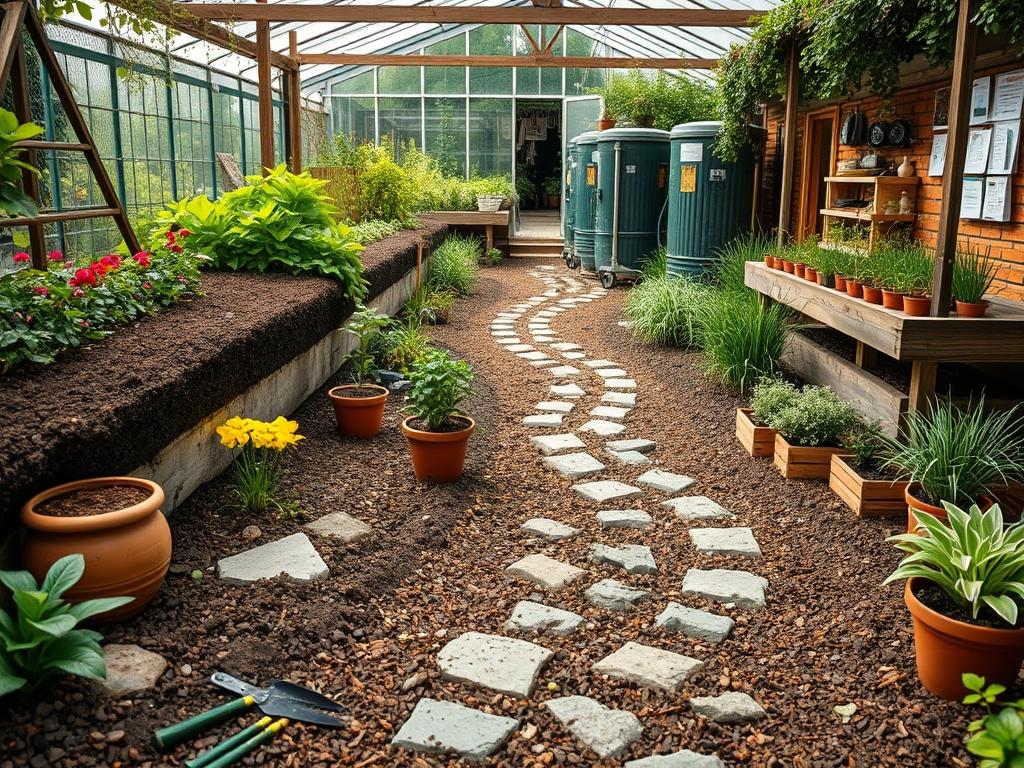
Selecting the right ground cover is a defining moment for any high end residential project. While organic bark offers a traditional feel, modern landscape architecture increasingly relies on decorative stone mulching to provide structural permanence and a refined aesthetic. The challenge for many homeowners and site managers lies in balancing the immediate visual impact with long term functionality. Climate considerations play a major role here; stone absorbs and retains heat, which can be a primary benefit in temperate regions or a significant obstacle in arid climates. When we approach a site for a consultation, we look at how the texture of the stone interacts with the architectural lines of the home. Curb appeal is not merely about color. It is about the deliberate orchestration of shadows, weight, and contrast. By replacing traditional mulch with minerals like Mexican Beach Pebbles or Crushed White Quartz, we create a low maintenance environment that remains pristine through the harshest seasons. This transition to stone is not just a stylistic choice. It is a strategic investment in the property’s external infrastructure, ensuring that drainage remains efficient and the plant palette is framed by a consistent, non-decomposing backdrop.
Landscape Design Principles
In modern landscape design, the use of stone allows for a level of precision that organic materials cannot match. Symmetry is often the cornerstone of these designs. Using River Rock or Pea Gravel allows a designer to create crisp, defined borders that reinforce the geometric shapes of modern architecture. We use these materials to establish focal points, perhaps by surrounding a sculptural Japanese Maple or a large Basalt Column with a contrasting light colored stone. This draws the eye downward and expands the perceived footprint of the garden bed.
Elevation layers are equally critical. A flat garden transition can feel uninspired, so we often utilize stone to create subtle shifts in height. By placing larger Boulders at the rear of a bed and graduating down to fine Decomposed Granite at the edge, we mimic natural geological progressions. This layering also aids in irrigation planning. Stone does not absorb water like wood chips do; instead, it allows moisture to permeate directly into the subsoil. Therefore, we must plan for precise drip irrigation systems beneath the stone layer. Walkways within these beds should be integrated using large Flagstone Pavers set into the stone mulch, providing a stable path that prevents compaction of the surrounding soil. Visual balance is achieved by contrasting the ruggedness of the stone with the soft textures of ornamental grasses or the architectural rigidity of succulents.
Plant and Material Selection
The success of a stone mulched bed depends heavily on selecting plants that can thrive in a high thermal mass environment. The following table outlines several species that harmonize with various stone types while meeting specific site requirements.
| Plant Type | Sun Exposure | Soil Needs | Water Demand | Growth Speed | Maintenance Level |
| :— | :— | :— | :— | :— | :— |
| Blue Glow Agave | Full Sun | Well Drained | Low | Slow | Low |
| Karl Foerster Grass | Full to Part Sun | Loamy/Adaptive | Moderate | Fast | Medium |
| Lavender (Munstead) | Full Sun | Gritty/Alkaline | Low | Moderate | Medium |
| Creeping Thyme | Full Sun | Sandy/Rocky | Low | Moderate | Low |
| Dwarf Hinoki Cypress | Part Shade | Rich/Acidic | Moderate | Very Slow | Low |
| Red Yucca | Full Sun | Any/Well Drained | Low | Moderate | Low |
Implementation Strategy
Executing a professional grade stone bed requires more than simply pouring bags of rock over the dirt. The process begins with meticulous site preparation and grading. We first remove all existing vegetation and excavate the area to a depth of at least 3 inches. This allows room for the stone without it spilling over onto walkways or lawns. Grading is the most overlooked step; the soil must slope away from the home’s foundation at a rate of at least 1 inch of fall for every 10 feet of distance to ensure proper drainage.
Once the grade is set, we install a high quality, non-woven Landscape Fabric. Unlike thin plastic liners, professional grade fabric allows air and water to reach the soil while preventing the stone from sinking into the earth. Edging is the next priority. We typically recommend Heavy Duty Steel Edging or Aluminum Paver Restraints to create a sharp, permanent boundary between the stone and the rest of the landscape.
When it comes to the mulch itself, a depth of 2 to 3 inches is the industry standard. This thickness is sufficient to suppress weed growth and provide complete visual coverage of the underlayment. For areas with high foot traffic or concentrated water runoff, we might use Epoxy Bonded Stone or larger Cobblestones to prevent migration. If the design includes hardscaping elements like retaining walls, these should be installed prior to the stone mulch to avoid damaging the finished surface. Final touches include washing the stone with a high pressure hose to remove the “fines” or dust that accumulates during transport, revealing the true color and luster of the material.
Common Landscaping Failures
The most frequent failure in stone mulching is neglecting the drainage profile. Because stone is heavy, it can compact the soil beneath it over time, leading to standing water if the initial grading was insufficient. Another common mistake is root overcrowding. Designers often forget that stone beds can become significantly hotter than bark beds. If plants are spaced too closely, the reflected heat can scorched the foliage and dry out the root balls prematurely.
Improper spacing and the lack of a proper border also lead to “stone creep,” where the mulch eventually migrates into the lawn, potentially damaging lawnmower blades and creating a messy appearance. We also see many DIY installations where the irrigation is laid on top of the stone. This is a technical error. Irrigation lines should be buried or pinned directly to the soil beneath the Landscape Fabric to protect the tubing from UV degradation and to ensure water reaches the roots efficiently. Finally, using the wrong type of stone for the slope can be disastrous. Smooth Pea Gravel will slide down a steep incline during a heavy rainstorm; for slopes, an angular Crushed Limestone or Rip Rap is necessary to ensure the pieces lock together and stay in place.
Seasonal Maintenance
While stone mulching is billed as low maintenance, it is not no maintenance. In the spring, the primary task is debris removal. Leaves and twigs that fell during the winter can decompose between the stones, creating a layer of organic matter where weeds can germinate. Using a Leaf Blower on a low setting is the most efficient way to clear the surface. You should also check the integrity of your Steel Edging to ensure no frost heaving has pushed the borders out of alignment.
Summer maintenance involves monitoring the hydration of your plants. As ambient temperatures rise, the stone will radiate heat well into the evening. You may need to adjust your irrigation timers to provide shorter, more frequent watering cycles to keep the root zones cool. In autumn, the focus shifts back to debris management. It is vital to remove fallen leaves before they become wet and matted. If organic matter builds up, you may need to use a Pre-emergent Herbicide to prevent winter weeds from taking hold. Winter is the time for structural observation. Take note of where snow melt flows; if you see stone washing away, you may need to install larger River Rocks or a small French Drain in those specific channels when the ground thaws.
Professional Landscaping FAQ
Directly over soil or over fabric?
Always use a high quality, non-woven landscape fabric under decorative stone. It prevents the stones from sinking into the soil and acts as a secondary weed barrier while still allowing the ground to breathe and drain water effectively.
How do I calculate how much stone I need?
Multiply the square footage of the bed by the desired depth in feet. For a 3-inch depth, multiply the area by 0.25. Divide that total by 27 to find the number of cubic yards required for the project.
Will stone mulch attract or deter pests?
Stone generally deters pests like termites and cockroaches that are attracted to the moisture and decomposing carbon found in wood mulch. However, it can provide a habitat for spiders or crickets in the gaps between larger river rocks.
Can I use a leaf blower on small gravel?
Yes, but you must use a variable speed blower. Keep the nozzle at an angle and use the lowest effective setting to lift organic debris without displacing the Pea Gravel or Decomposed Granite from the garden bed.
Does decorative stone fade over time?
Most natural stones like Granite, Slate, and Quartz hold their color indefinitely. However, porous stones like Lava Rock or certain types of Limestone may darken or weather slightly due to mineral accumulation and exposure to the elements.