
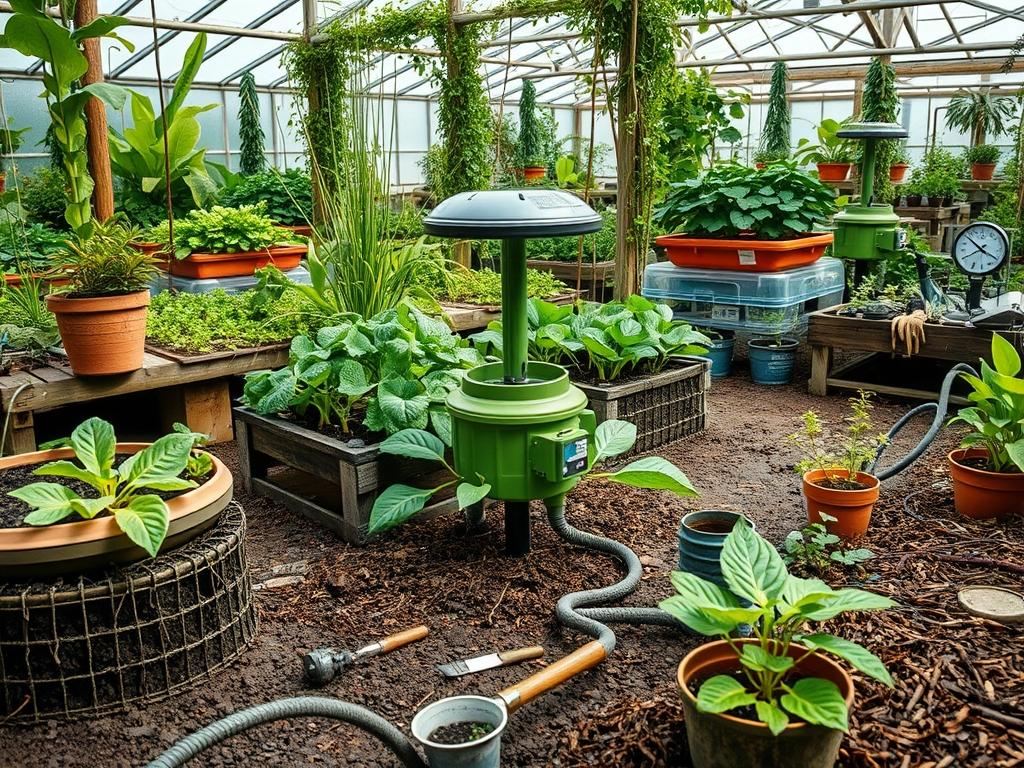
Maintaining a healthy aquatic ecosystem is one of the most complex challenges in modern landscape architecture. A pond or water feature often serves as the primary focal point of a residential or commercial property, significantly influencing both curb appeal and the surrounding microclimate. However, stagnant water frequently leads to unsightly algae blooms, unpleasant odors, and the proliferation of mosquitoes, which can quickly degrade the functionality of an outdoor living space. Incorporating Solar Powered Pond Aerators provides an environmentally responsible solution to these issues, particularly in expansive landscapes where running traditional electrical lines is cost prohibitive. By introducing oxygen into the lower strata of the water column, these systems facilitate the aerobic decomposition of organic matter, ensuring the pond remains a vibrant, clear asset rather than a maintenance liability.
When planning for a pond installation, climate considerations dictate the required oxygenation levels. High temperatures during the summer months reduce the water’s ability to hold dissolved oxygen, which can cause stress to ornamental fish and beneficial bacteria. A well designed landscape must account for these seasonal shifts by positioning the water feature to maximize natural wind movement while utilizing mechanical aeration to fill gaps in air circulation. Integrating these systems requires a balanced approach to site grading and elevation, ensuring that the pond basin provides sufficient depth for thermal regulation while remaining accessible for routine management.
Landscape Design Principles
In the realm of professional landscape design, a pond should never appear as an afterthought. It must be integrated using established principles such as symmetry, focal points, and elevation layering. Symmetry does not always mean a mirror image; rather, it refers to the visual weight of the pond in relation to surrounding hardscapes and plantings. For instance, a large Stone Retaining Wall on the north side of a pond can be balanced by a dense cluster of Native Grasses on the south. The placement of Solar Powered Pond Aerators should align with these visual priorities. The Solar Panels themselves can be integrated into the landscape as part of a formal utility zone or hidden behind ornamental features that do not cast shadows on the Photovoltaic Cells.
Elevation layers add depth and interest to the water’s edge. Using Riprap or Boulders of varying sizes creates a naturalistic transition from the wet pond margin to the dry upland areas. Within the water, different depths are necessary to support a variety of aquatic life. Designing a shallow shelf for emergent plants while maintaining a deep central basin for the Diffuser Stones ensures optimal oxygen distribution. Irrigation planning is also critical. Even with an aerated pond, runoff from adjacent lawns can introduce excess nitrogen and phosphorus. Professionals use Leaf Composting zones and French Drains to divert nutrient rich runoff away from the pond, protecting the water quality and reducing the workload of the aeration system.
Plant and Material Selection
The success of a pond landscape depends heavily on selecting materials and biological components that thrive in a high moisture environment. The following table outlines the requirements for common plants and essential materials used in pond construction and aeration.
| Item | Exposure | Soil/Material | Water Demand | Growth/Utility | Maintenance |
| :— | :— | :— | :— | :— | :— |
| Cattails | Full Sun | Muck/Silt | High | Fast | Moderate |
| Pickerel Weed | Full Sun | Loam/Submerged | High | Moderate | Low |
| Water Lilies | Full Sun | Heavy Clay | Submerged | Moderate | High |
| Boulders | N/A | Granite/Basal | N/A | Structural | None |
| River Rock | N/A | Smooth Stone | N/A | Filtration | Low |
| EPDM Liner | N/A | Polyethylene | N/A | Containment | None |
| Mulch | N/A | Shredded Bark | N/A | Moisture Control | Annual |
When selecting plants like Pickerel Weed or Water Lilies, consider how their root structures interact with the Pond Liner. Always use heavy clay or specialized aquatic planting media to prevent soil from leaching into the water and clouding the surface. Materials such as EPDM Liners should be at least 45 mil thick to prevent punctures from rocks or root systems. Additionally, the use of Cedar Mulch or Hardwood Mulch around the perimeter can help suppress weeds and maintain soil temperature at the water’s edge.
Implementation Strategy
The installation process begins with a comprehensive site survey. Identify the area of the property that receives the most consistent sunlight throughout the day. For Solar Powered Pond Aerators to function at peak efficiency, the Solar Panel should be positioned to face south, unobstructed by tree canopies or structures. Once the location is determined, begin the grading process. Ensure the ground around the pond slopes slightly away from the water to prevent contaminated surface runoff from entering.
Next, focus on the aeration hardware. Dig a trench at least 6 inches deep to house the Air Tubing that runs from the compressor to the water. This protects the line from lawnmowers and UV degradation. Use Weighted Tubing for the submerged portion of the run to ensure the Air Stone remains at the bottom of the pond without the need for unsightly bricks or weights. The Air Stone or Diffuser should be placed in the deepest part of the pond to maximize the “lifting” effect, where bubbles carry oxygen depleted water to the surface for gas exchange.
Once the mechanical components are in place, focus on the edging and hardscaping. Lay down a layer of Geotextile Fabric before placing River Rock or Boulders to prevent the stone from sinking into the soil. This creates a clean, defined border that improves the aesthetics of the pond while providing a stable platform for maintenance access. Finally, apply a 3 inch layer of Mulch to any exposed soil areas to prevent erosion and finish the visual transition.
Common Landscaping Failures
Failure in pond landscaping often stems from a lack of foresight regarding drainage and oxygenation. One common mistake is the “bathtub effect,” where a pond is installed at the lowest point of a property without adequate Swales or diversionary grading. This causes the pond to collect every drop of chemical laden runoff from the surrounding landscape, overwhelming the Solar Powered Pond Aerators. Another frequent error is improper spacing of edge plants. Overcrowding Cattails or Bulrushes can restrict surface airflow, which is the pond’s natural way of shedding heat and gases.
Soil compaction is another silent killer in garden planning. When heavy equipment is used to dig a pond, the surrounding soil becomes compacted, preventing roots from penetrating and reducing the effectiveness of natural filtration. Architects should specify the use of Core Aerators on the surrounding lawn to restore soil porosity. Furthermore, failing to account for the “throw” or distance of the aeration bubbles can result in “dead zones” where water remains stagnant in corners or behind large underwater landforms. Ensuring the Compressor is rated for the total gallonage of the pond is a technical necessity that cannot be overlooked.
Seasonal Maintenance
Effective landscape management follows the rhythm of the seasons. In the spring, inspect the Solar Powered Pond Aerators for any damage caused by winter ice. Clean the Solar Panel using a soft cloth and water to remove pollen and dust that can block energy absorption. This is also the time to divide any overgrown aquatic plants and apply a fresh layer of Mulch to the surrounding beds.
During the summer, monitor the water temperature closely. If the pond becomes excessively warm, the aeration system may need to run for longer durations. Keep an eye on the Air Stone to ensure it has not become clogged with bio-film or calcium deposits. In autumn, the primary goal is debris management. Falling leaves can quickly overwhelm a pond’s oxygen levels as they decay. Install a temporary Pond Netting if necessary, and ensure that the Solar Panel is clear of fallen leaves.
Winter maintenance depends on your specific climate. In regions where the water freezes, Solar Powered Pond Aerators are vital for keeping a hole open in the ice. This allows toxic gases like carbon dioxide and hydrogen sulfide to escape, which is essential for the survival of any hibernating fish. If the system is not rated for freezing temperatures, remove the Compressor and store it in a dry location, but leave the Weighted Tubing in place for easy re-installation in the spring.
Professional Landscaping FAQ
How many hours of sun do solar aerators need?
Most systems require at least 6 hours of direct, unobstructed sunlight to provide consistent aeration. In cloudy climates, choosing a system with an integrated Battery Backup ensures the oxygen levels remain stable during the evening and on overcast days.
Can I install the solar panel far from the pond?
Yes, most Solar Powered Pond Aerators allow for the Solar Panel to be placed up to 50 feet or more from the water. You must use high quality Air Tubing to prevent pressure loss over long distances.
Will aeration eliminate the need for pond cleaning?
While aeration significantly reduces muck and algae by promoting aerobic bacteria, it does not replace manual maintenance. You must still remove large organic debris like branches and leaves to prevent the biological load from exceeding the system capacity.
What is the best depth for the diffuser stone?
For maximum efficiency, place the Diffuser Stone at the deepest point of the pond, ideally between 3 feet and 8 feet. This allows the rising bubbles to circulate the maximum volume of water from the bottom to the surface.
How do I hide the aeration compressor box?
The Compressor can be concealed using Decorative Artificial Rocks, small Shrubs, or a ventilated Wood Enclosure. Ensure the housing allows for adequate airflow to prevent the motor from overheating during peak summer performance.