
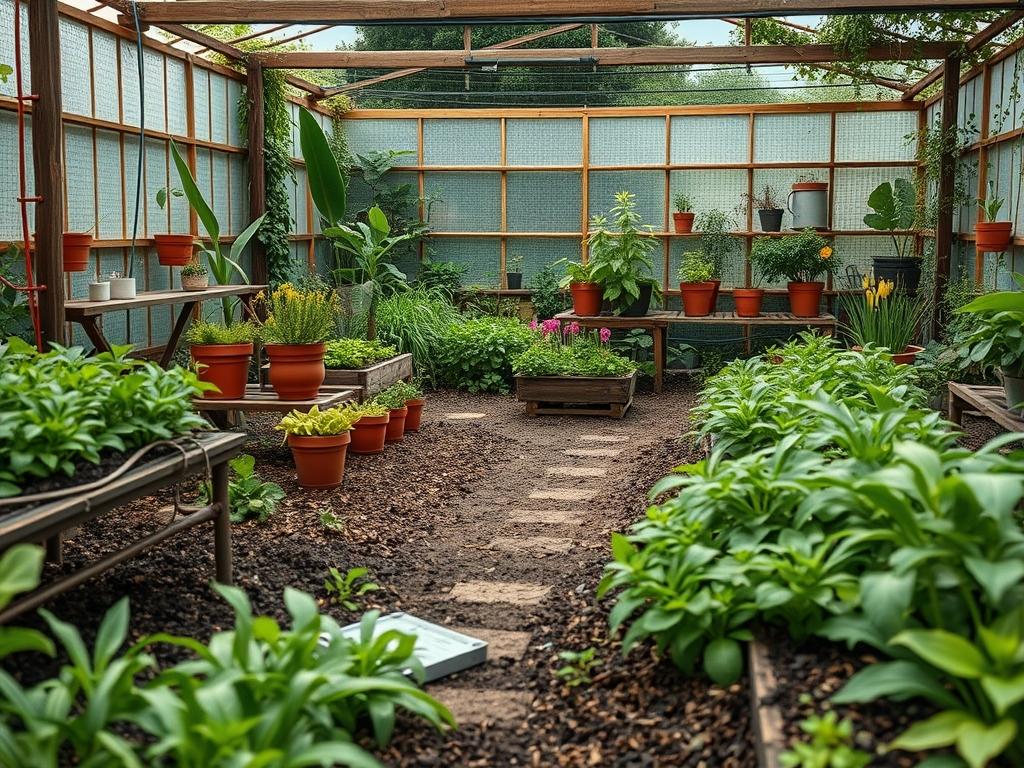
Creating a cohesive backyard dog run design requires a delicate balance between high-end landscape aesthetics and the rugged realities of pet ownership. Many homeowners view a dog run as a purely utilitarian sacrifice, a hidden corner where grass goes to die, but a professional landscape architect views it as an integrated architectural feature. The primary challenge lies in managing site conditions such as soil drainage, high traffic impact, and nitrogen-rich waste while maintaining the visual integrity of the broader garden. A well-executed plan does not just provide a place for exercise; it enhances the property’s curb appeal and increases the functionality of outdoor living zones. By treating the dog run as a deliberate “room” within the landscape, we can employ the same principles of elevation, texture, and enclosure that define luxury garden spaces.
Climate considerations play a pivotal role in the selection of both hardscape materials and softscape elements. In arid regions, the focus shifts toward heat dissipation and irrigation efficiency, while in temperate or wet climates, the priority is managing mud and preventing water stagnation. The ultimate goal is to create a space that feels like a natural extension of the home. This involves considering how the run interacts with existing sightlines from the patio or kitchen window. Rather than installing a stark chain-link cage, we look toward ornamental fencing, living walls, and strategic grading to define the boundaries. When functionality is seamlessly woven into the design, the dog run stops being a chore and starts being a highlight of the backyard environment.
Landscape Design Principles
Successful dog run integration begins with the principle of zoning. A professional layout separates active play areas from passive lounging zones to prevent mass soil compaction across the entire yard. Symmetry is often used to frame the entrance of the run, using matching Stone planters or Columnar hornbeams to create a formal gateway. This visual anchoring ensures the structure looks intentional rather than accidental. Furthermore, we must address the concept of focal points. If the dog run is visible from the primary entertaining area, the interior of the run must be as attractive as the exterior. This is achieved through the use of high-quality materials like River rock or Polished boulders that provide textural interest.
Elevation and layering are equally critical. By raising the dog run slightly or using Retaining walls, we can create a clear physical boundary that prevents mulch or gravel from migrating into the main lawn. Layering with plants of varying heights, such as mid-sized Ornamental grasses behind lower Evergreen shrubs, hides the lower portion of the fence and softens the transition between the hardscape and the pet area. Circulation must also be planned with precision. Dogs tend to run along fence lines, creating “burn paths” in the turf. A smart design anticipates this behavior by installing a dedicated Decomposed granite or Paver perimeter along the fence, allowing the dog to patrol without destroying the vegetation.
Plant and Material Selection
Selecting the right materials involves evaluating durability against aesthetic goals. The following table outlines optimal choices for dog-friendly landscape environments.
| Plant or Material | Sun Exposure | Soil Needs | Water Demand | Growth Speed | Maintenance Level |
| :— | :— | :— | :— | :— | :— |
| Star Jasmine | Full to Partial | Well-drained | Moderate | Fast | Low (Pruning) |
| Blue Fescue | Full Sun | Sandy/Dry | Low | Moderate | Very Low |
| Dwarf Boxwood | Full to Partial | Loamy | Moderate | Slow | Medium (Shaping) |
| Artificial Turf | All Exposure | Compacted Sub-base | None | N/A | Low (Rinsing) |
| Pea Gravel | All Exposure | Graded Base | None | N/A | Medium (Raking) |
| Cedar Mulch | N/A | Organic Mix | Low | N/A | Medium (Annual Top-off) |
Implementation Strategy
The first step in actual implementation is a thorough site analysis to determine the natural Grading of the land. We typically aim for a 1 to 2 percent slope away from the home’s foundation to ensure proper runoff. Once the perimeter is marked with Landscape stakes, excavation begins to a depth of at least 4 inches. This allows for a robust foundation consisting of a Geotextile fabric layer topped with 2 inches of crushed limestone base. This sub-base is crucial for stability; it prevents the top layer of gravel or mulch from sinking into the native soil during heavy rain.
Next, we address the infrastructure of the run. Irrigation lines should be trenched at this stage, even if the run uses artificial turf, as a dedicated “wash-down” zone is vital for sanitation. If using organic materials, a layer of Hardwood mulch or Cedar chips should be applied at a depth of 3 inches. Cedar is particularly effective due to its natural pest-repellent properties. For the edging, we recommend Steel edging or Beveled bricks to create a crisp, clean line that defines the run against the rest of the garden. Finally, the installation of the “softscape” occurs. Using Native plants around the perimeter can provide natural shade and windbreaks, creating a microclimate that keeps the dog comfortable during summer months.
Common Landscaping Failures
The most frequent error in backyard dog run design is inadequate drainage. When water has nowhere to go, organic materials like mulch decompose rapidly, leading to foul odors and mud. This is often caused by ignoring the Soil compaction that occurs naturally in high-traffic areas. Without a proper sub-base and French drain system, the ground becomes a hard, impermeable pan. Another mistake is root overcrowding. When planting screens around a dog run, homeowners often plant Arborvitae or other screeners too close together to get instant privacy. This leads to nutrient competition and eventual die-back within three to five years.
Improper spacing and material choice also contribute to failure. For instance, using small Lava rock can be hazardous as it is abrasive to paws and can be accidentally ingested. Furthermore, many designers fail to account for the “sightline stress” dogs experience. If a dog can see through a fence to a busy street or a neighbor’s yard, they may engage in constant pacing or barking. Using Privacy slats or Dense hedging can mitigate this psychological stress, making the environment calmer for both the pet and the owner. Lastly, failing to use Stainless steel hardware on gates and latches leads to rust and structural failure in just a few seasons.
Seasonal Maintenance
Landscape management is a year-round commitment that changes with the seasons. In the spring, the focus should be on refreshing the “floor” of the dog run. This is the time to add a fresh 1-inch layer of mulch or to power-wash Artificial turf with an enzymatic cleaner to break down winter residue. Pruning of perimeter shrubs like Boxwood should occur after the first flush of new growth to maintain their shape and density. Summer maintenance focuses on hydration; ensure that Automatic irrigation systems are functioning correctly to keep perimeter plants healthy despite the added heat and nitrogen stress.
As autumn approaches, leaf removal becomes the priority. Decaying leaves can trap moisture against the substrate, leading to mold growth. Use a Leaf blower or Plastic rake to clear the area weekly. This is also the best time to check the integrity of Fence posts and Gate hinges before the ground freezes. In winter, avoid using harsh salt-based de-icers within the dog run, as these can damage both the dog’s paws and the surrounding Soil pH. Instead, use sand for traction. If you have an underground irrigation system, ensure it is fully blown out and winterized to prevent pipe bursts during a hard freeze.
Professional Landscaping FAQ
What is the best ground cover for a dog run?
Artificial turf specifically designed for pets is often the superior choice. It offers excellent drainage through a perforated backing and resists the yellowing associated with nitrogen. For a natural alternative, Cedar mulch provides a soft, pest-resistant surface that is easy to replenish.
How do I stop my dog from digging in the run?
Installing a Hardware cloth or Chain-link apron buried 6 inches below the surface along the perimeter is highly effective. Additionally, providing a dedicated “digging pit” filled with Play sand can redirect the dog’s natural instincts away from the landscaped borders.
Are there plants I should absolutely avoid?
Yes, avoid Sago Palms, Azaleas, and Oleander, as these are highly toxic to canines. Always cross-reference your plant list with canine-safe databases. Stick to hardy, non-toxic options like Snapdragons, Marigolds, or Sunflowers for seasonal color near the run’s exterior.
How deep should the drainage base be?
A professional-grade base should be at least 4 inches deep. This typically consists of 2 inches of compacted Angular stone followed by a layer of Fine screenings. This depth ensures that even during heavy storms, the surface remains dry and stable.
How can I hide the dog run from guests?
Use Layered planting with an upper canopy of Ornamental trees and a mid-level of Evergreen shrubs. A Trellis screen with Star Jasmine or Crossvine provides an elegant vertical barrier that masks the fence while adding fragrance and beauty to the yard.