
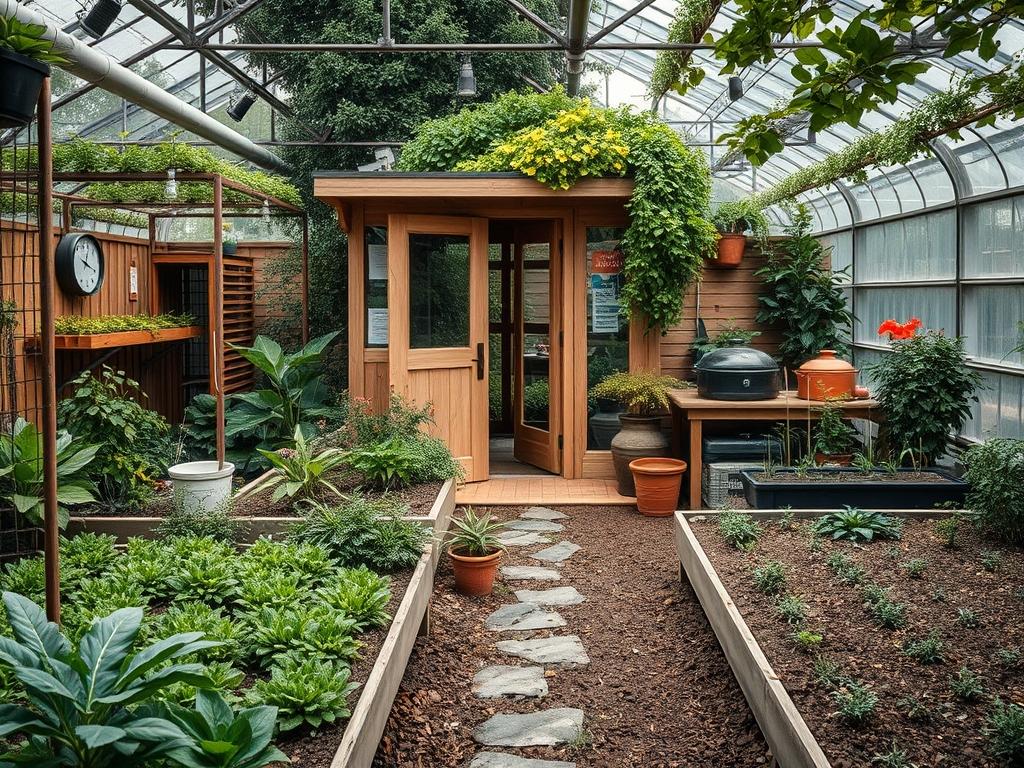
The modern garden shed has evolved from a cluttered storage unit into a vital architectural anchor for the contemporary backyard. As landscape architects, we view these structures not as utility closets but as secondary focal points that must harmonize with the primary residence aesthetic and the surrounding ecosystem. Designing modern garden shed decor requires a holistic approach that balances functionality with high-end curb appeal. The challenge lies in integrating a rigid, geometric structure into a fluid, living environment. Climate considerations play a major role in this process. A shed situated in a humid, high-rainfall area requires different drainage solutions and siding materials than a structure in an arid, high-heat zone. When planned correctly, the shed becomes a sculptural element that enhances outdoor living goals, providing a sense of scale and purpose to the northern or southern borders of a property.
Landscape Design Principles
Successful modern garden shed decor begins with the principle of visual hierarchy. The structure should act as a terminus for a sightline, drawing the eye through the garden without overwhelming the primary dwelling. Symmetry is often used in modern designs to create a sense of order. This can be achieved by flanking the shed entrance with identical concrete planters or matching Evergreen shrubs. However, asymmetrical balance can be equally effective if the shed is positioned alongside a larger retaining wall or a specimen tree that offsets its mass.
Elevation layers are critical for grounding the structure. A shed that sits directly on top of the grass often looks disconnected. By incorporating natural stone steps or a slightly elevated timber deck, you create a transition zone that signals a change in function. Irrigation planning must be addressed during the initial design phase to ensure that foundation plantings receive adequate moisture without causing water damage to the shed siding. Walkways should be designed to follow the natural flow of traffic, using materials like decomposed granite, flagstone, and steel edging to define the path and prevent soil erosion.
Plant and Material Selection
Selecting the right vegetation and hardscape materials ensures that your modern garden shed decor remains vibrant throughout the year. The focus should be on texture and form rather than just seasonal color.
| Plant Type | Sun Exposure | Soil Needs | Water Demand | Growth Speed | Maintenance Level |
| :— | :— | :— | :— | :— | :— |
| Buxus microphylla | Full/Part Sun | Well-drained | Moderate | Slow | Low |
| Miscanthus sinensis | Full Sun | Any/Loamy | Low | Fast | Annual Cutback |
| Lavandula | Full Sun | Gritty/Alkaline | Very Low | Medium | Post-bloom Trim |
| Hydrangea paniculata| Part Shade | Rich/Moist | Moderate | Medium | Seasonal Pruning |
| Heuchera | Shade/Part Sun | Organic/Loamy | Moderate | Medium | Minimal |
| Carex pensylvanica | Shade/Part Sun | Sandy/Moist | Moderate | Slow | Low |
In addition to plants, the material palette should include powder-coated aluminum, western red cedar, and tempered glass to reflect modern industrial trends. Using a dark neutral paint like Charcoal Grey or Deep Navy allows the shed to recede into the foliage, making the surrounding greenery pop.
Implementation Strategy
The implementation of modern garden shed decor follows a strict sequence of site preparation and installation. First, the site must undergo professional grading to ensure that water moves away from the foundation. A four-inch base of compacted gravel is standard for preventing the structure from settling unevenly over time. Once the shed is situated, the surrounding area should be excavated for hardscaping.
Begin by installing heavy-duty landscape fabric to suppress weeds, followed by the placement of large-format pavers. These pavers should be spaced with approximately two inches of gap to allow for creeping thyme or pebble infill, which promotes natural drainage. When it comes to the garden beds, a three-inch depth of organic mulch or dark basalt chips should be applied to regulate soil temperature and retain moisture. For vertical interest, consider installing a wall-mounted trellis made of stainless steel cable to support climbing plants like Clematis or Star Jasmine. This softens the hard edges of the structure and integrates it into the vertical landscape.
Common Landscaping Failures
One of the most frequent mistakes in decorating around a garden shed is ignoring the “rain shadow” effect. The roof of the shed prevents rainfall from reaching the ground immediately adjacent to the walls, leading to a dry zone where plants often wither. Another common failure is poor drainage planning. If the perimeter lacks a French drain or a properly sloped swale, water will pool at the base, leading to wood rot and soil compaction.
Root overcrowding is another issue that landscape consultants frequently encounter. Homeowners often plant Leyland Cypress or other large evergreens too close to the shed walls. Within five years, the root systems can heave the foundation, while the branches scrape the siding and trap moisture, causing mildew. Improper spacing also reduces air circulation, which is essential for preventing fungal diseases in both the plants and the wooden components of the shed. Finally, failing to account for the weight of the structure can lead to the collapse of underground irrigation lines if they were not sleeved in PVC pipe during the installation phase.
Seasonal Maintenance
Maintaining the integrity of modern garden shed decor requires a quarterly management plan. In the spring, focus on soil pH testing and the application of a pre-emergent herbicide to prevent weed seeds from germinating in the gravel paths. This is also the time to inspect the structural integrity of the shed, checking for any winter damage to the roof or seals.
Summer maintenance is dominated by irrigation management. During periods of extreme heat, use a soaker hose to provide deep-root watering for the foundation plants, as the heat reflecting off the shed walls can accelerate transpiration. Autumn is the season for cleanup and preparation. Clear all fallen leaves from the gutters and the base of the shed to prevent moisture traps. This is the ideal time to divide any overgrown perennials and apply a fresh layer of hardwood mulch to protect root systems from the coming frost. In winter, maintenance is minimal but vital. Ensure that heavy snow is cleared from the roof to prevent structural stress and avoid using harsh de-icing salts near the planting beds, as these can alter soil salinity and kill sensitive species.
Professional Landscaping FAQ
How do I choose the best location for a modern shed?
Select a level area with adequate drainage that does not interfere with underground utility lines. Consider the sun path to ensure your chosen plants receive proper light and the shed does not cast unwanted shadows over your main garden.
What is the best material for a low-maintenance walkway?
Permeable pavers or crushed stone are excellent choices. They allow water to infiltrate the ground directly, reducing runoff issues. Using a professional-grade steel edging will keep the materials contained and maintain a crisp, modern aesthetic for several years.
Can I grow plants directly on the shed walls?
It is better to use a stand-off trellis system. This creates a gap between the foliage and the siding, allowing for essential airflow. This prevents moisture from being trapped against the structure, which protects against rot, mold, and insect infestations.
How do I hide the unsightly base of a shed?
Use a combination of stone veneer and tiered plantings. Start with a low-growing groundcover like Juniperus horizontalis and layer upward with mid-sized shrubs. This creates a soft transition from the ground to the vertical walls of the structure.
Does a garden shed require a permit for landscaping?
While the shed itself often requires a permit based on square footage, the surrounding landscaping usually does not. However, if you are installing significant retaining walls over three feet or complex drainage systems, you should consult local building codes.