
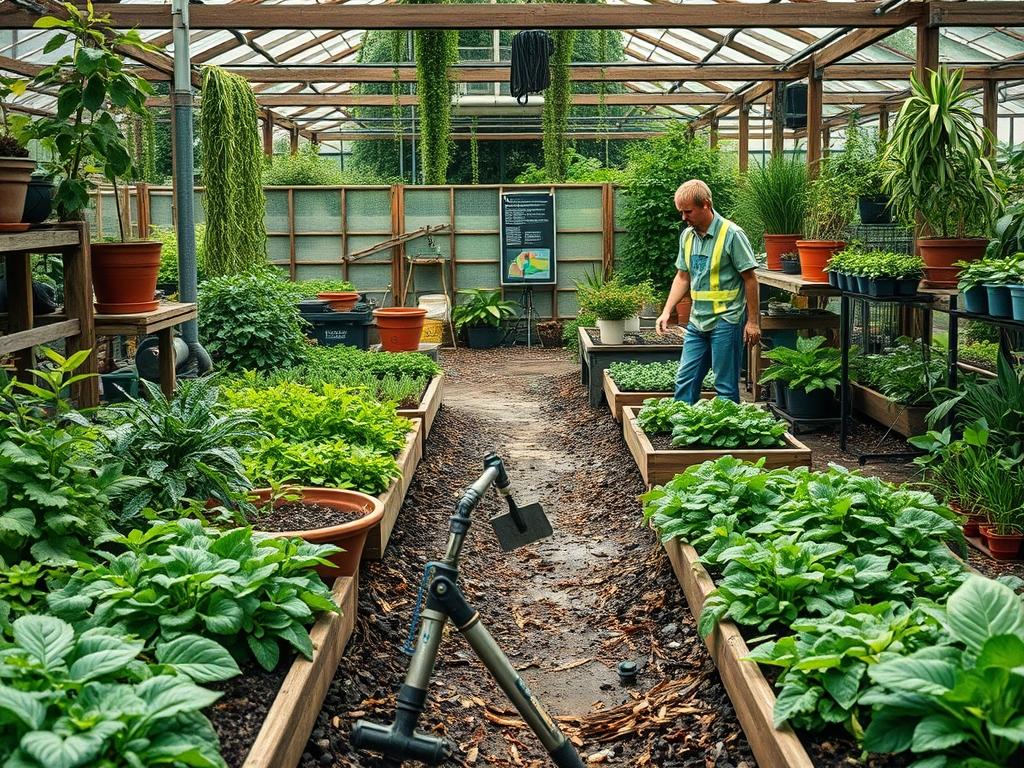
Developing a cohesive outdoor environment requires more than a simple aesthetic vision; it demands a deep understanding of the biological clock governing your soil and plant life. Professional landscaping success is rooted in the precision of nutrient delivery, where the concept of organic fertilizer timing acts as the bridge between a static design and a thriving ecosystem. When we transition from synthetic bypasses to organic systems, we are no longer just feeding a plant. We are culturing a complex rhizosphere of beneficial fungi and bacteria that require specific environmental conditions to thrive. A well timed application ensures that nutrients are available exactly when the plant enters its peak physiological demand, preventing waste and protecting local watersheds from runoff. This strategic approach elevates curb appeal by maintaining consistent color and vigor while reinforcing the functional goals of the outdoor space, such as privacy screening or erosion control.
In the contemporary landscape, functionality must coexist with environmental stewardship. A professional consultant views the yard as a series of interconnected systems where soil health impacts drainage, and plant health influences the longevity of hardscaping. If the soil structure is weak, even the most expensive Natural Stone Pavers or Retaining Walls cannot save a landscape from looking depleted. Organic fertilizers, unlike their synthetic counterparts, rely on soil temperature and moisture to break down into plant available forms. This slower release mechanism mimics natural cycles, providing a steady stream of nitrogen, phosphorus, and potassium rather than a volatile spike that can lead to succulent, weak growth. By mastering organic fertilizer timing, a homeowner can ensure their landscape remains resilient against pests and environmental stressors, ultimately protecting the long term investment of the property.
Landscape Design Principles
Professional design begins with a rigorous site analysis that considers symmetry and visual balance. We look for focal points that draw the eye, such as a specimen Japanese Maple or a bespoke water feature, and use these to anchor the rest of the plan. Symmetry does not always mean perfect mirroring; rather, it refers to a balanced distribution of visual weight across the property. For instance, a heavy mass of Evergreen Shrubs on one side of a walkway might be balanced by a layered composition of ornamental grasses and boulders on the other. This creates a sense of stability and intentionality that defines high-end landscapes.
Elevation layers are critical for creating depth and interest in a flat plot. By utilizing Grading and Terracing, we can create distinct zones that serve different purposes, from a sunken fire pit area to an elevated dining terrace. These layers also play a vital role in irrigation planning. Water naturally moves to lower elevations, meaning we must group plants with similar water needs together, a practice known as hydrozoning. Walkways should be designed to facilitate intuitive flow, using materials like Decomposed Granite or Flagstone to guide visitors through the space. The visual balance is then maintained through the seasons by ensuring the soil is properly amended with organic matter, allowing the architectural lines of the garden to be supported by healthy, vibrant foliage.
Plant and Material Selection
Choosing the right species is only half the battle; understanding their nutrient requirements is what ensures longevity. The following table provides a breakdown of common landscape choices and their specific environmental requirements.
| Plant Type | Sun Exposure | Soil Needs | Water Demand | Growth Speed | Maintenance Level |
| :— | :— | :— | :— | :— | :— |
| Boxwood Shrub | Full Sun to Shade | Well-drained, Loamy | Moderate | Slow | Medium |
| Lavender | Full Sun | Sandy, Alkaline | Low | Moderate | Low |
| Panicle Hydrangea | Partial Sun | Rich, Organic | High | Fast | High |
| Native Switchgrass | Full Sun | Adaptable/Clay | Low | Fast | Low |
| Dwarf Alberta Spruce | Full Sun | Acidic, Moist | Moderate | Very Slow | Low |
| Hostas | Deep Shade | Humus-rich | Moderate | Moderate | Low |
Implementation Strategy
The transition from a design on paper to a physical landscape requires a phased approach. First, we address the foundation through Grading. Proper slope away from the home’s foundation is mandatory to prevent structural damage and standing water. Once the grade is established, we install the primary drainage systems, including French Drains or Catch Basins, particularly in areas where heavy clay soil might lead to compaction and root rot.
The second phase involves the layout of hardscaping and edging. Steel Edging or Stone Borders define the beds and keep turf grass from encroaching on ornamental areas. Before any plants go into the ground, the soil must be prepared. This is where organic fertilizer timing begins its first cycle. Incorporating Compost and Alfalfa Meal into the top 6 Inches of soil several weeks before planting allows the microbial population to stabilize. When planting, we ensure proper spacing to account for the mature width of the species, reducing the need for aggressive pruning later. Finally, a layer of Hardwood Mulch at a depth of 3 Inches is applied to retain moisture and suppress weeds, while slowly decomposing into additional organic nutrients for the soil.
Common Landscaping Failures
One of the most frequent errors in professional landscaping is the neglect of soil aeration and the resulting compaction. When soil is compacted, either through heavy foot traffic or improper construction techniques, oxygen cannot reach the roots, and water sits on the surface. This leads to irrigation inefficiencies where the water never actually penetrates the root zone. Furthermore, many DIY projects fail due to root overcrowding. It is tempting to plant closely to achieve an immediate full look, but within three years, these plants will compete for the same limited nutrients and light, leading to stunted growth and disease.
Improper drainage is another silent killer of expensive plant material. If a site is not graded correctly, water may pool around the crowns of plants, causing fungal infections. Similarly, many systems suffer from poor organic fertilizer timing by applying high nitrogen products too late in the autumn. This pushes new, tender growth right as the first frost hits, causing significant dieback. Lastly, reliance on synthetic weed killers can sterilize the soil, killing the very microbes that organic fertilizers rely on to function.
Seasonal Maintenance
Maintaining a high performance landscape requires a seasonal calendar centered on soil health. In the Spring, the goal is to wake up the soil system. As temperatures reach a consistent 55 Degrees Fahrenheit, apply a well balanced Granular Organic Fertilizer to support the initial flush of growth. This is also the time to refresh mulch layers and check irrigation lines for leaks or clogs.
Summer maintenance focuses on stress management. During periods of high heat, organic fertilizer timing shifts to liquid applications like Fish Emulsion or Kelp Extract. These provide a gentle nutrient boost without the risk of burning the roots when water is scarce. Monitor for pests and ensure that deep watering occurs early in the morning to minimize evaporation.
In Autumn, the strategy changes to root development and winter hardiness. Apply Bone Meal or Rock Phosphate to encourage strong root systems before the ground freezes. Avoid high nitrogen inputs now; instead, focus on soil conditioners like Humic Acid that improve soil structure over the winter. Winter is a period of dormancy, but it is the ideal time for structural pruning of deciduous trees and planning for the upcoming year’s additions.
Professional Landscaping FAQ
How does organic fertilizer timing affect lawn color?
Applying organic nitrogen in late spring ensures a deep green color throughout the summer. Because organics release slowly, the lawn avoids the rapid growth and subsequent yellowing common with synthetic fertilizers which wash away quickly during heavy rains.
What is the best way to fix drainage issues in existing beds?
Install a French Drain or incorporate expanded shale into the soil. These methods create permanent macropores that allow water to move away from root zones, preventing the anaerobic conditions that lead to root rot and plant death.
Is mulch better than landscape fabric for weed control?
Organic mulch is superior because it decomposes and improves soil structure. Landscape fabric often becomes clogged with silt, prevents oxygen exchange, and eventually allows weeds to grow on top of the fabric in the decomposing mulch layer.
How often should I test my soil?
A professional soil test should be conducted every 2 to 3 Years. This provides a baseline for pH and nutrient levels, allowing you to tailor your organic fertilizer timing and selection to the specific needs of your site.
Can I apply organic fertilizer in the winter?
Applying fertilizer to frozen ground is ineffective and environmentally irresponsible. Microbes are dormant in cold temperatures and cannot process the nutrients. Wait until the soil thaws and reaches at least 50 Degrees Fahrenheit for the best results.