
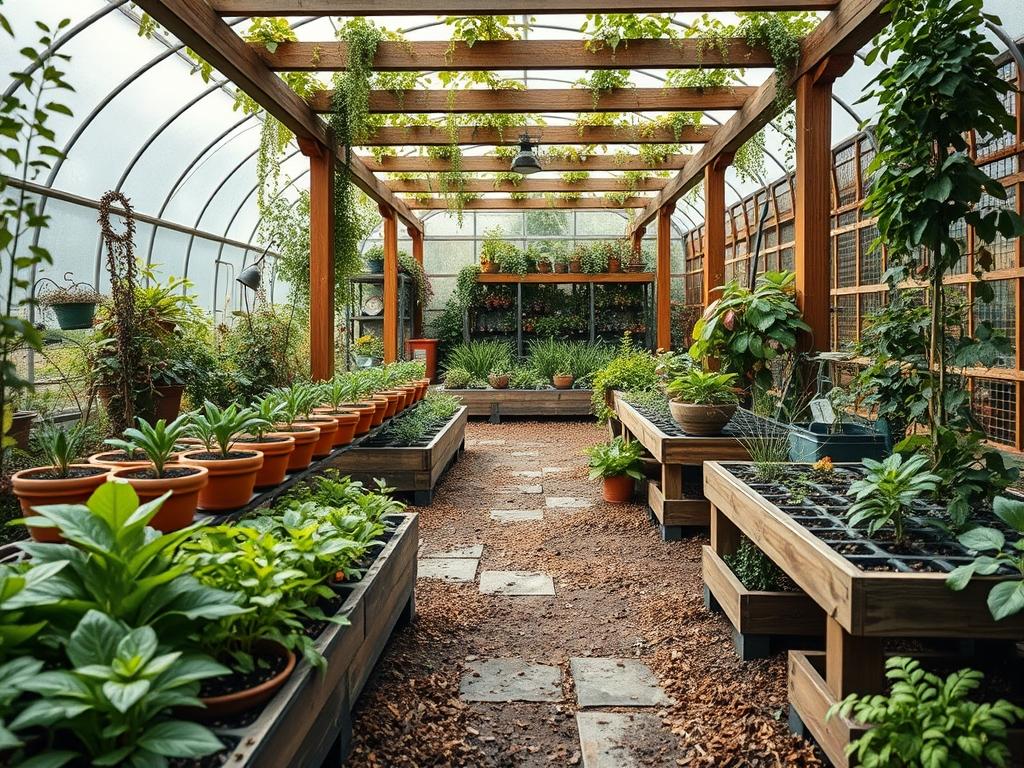
The integration of a structural canopy into a residential landscape serves as more than a simple vanity project; it is a strategic architectural intervention designed to manage microclimates and extend the indoor living envelope. When approaching modern pergola styling, the landscape architect must weigh the aesthetic desire for sleek lines against the logistical realities of solar orientation, prevailing winds, and site drainage. A well positioned pergola transforms an underutilized, sun drenched patio into a functional sanctuary while simultaneously increasing the property valuation through enhanced curb appeal. The primary challenge lies in bridging the gap between the hard angles of the home and the organic irregularities of the garden. By utilizing advanced materials and deliberate plant placement, we create a transitional space that provides thermal relief during the peak of summer while maintaining a sophisticated visual profile that complements modern masonry and minimalist softscaping.
Landscape Design Principles
Successful modern pergola styling begins with a rigorous adherence to spatial hierarchy and axial alignment. The structure should act as a focal point that draws the eye through a choreographed sequence of outdoor rooms. If the pergola is placed in a corner without proper grounding, it appears to float aimlessly. Instead, use a 12-foot by 16-foot footprint as a baseline to ensure there is sufficient clearance for dining sets and circulation paths. Symmetry is a core pillar of modern design; however, asymmetrical balance can be achieved by offsetting the structure with a heavy retaining wall or a dense grouping of ornamental grasses on one side.
Elevation plays a critical role in the perception of the space. Elevating the pergola on a bluestone or composite deck platform just 6 inches above the surrounding grade distinguishes the lounge area from the transition zones. Conversely, sinking the structure into a tiered garden setup creates an intimate, grotto like atmosphere. Designers must also plan for irrigation early in the process. Integrating 1/2-inch drip lines into the vertical posts allows for the irrigation of climbing plants without visible tubing, maintaining the clean aesthetic required for professional grade installations. Finally, ensure that walkways leading to the pergola are at least 48 inches wide to allow two people to walk side by side, reinforcing the sense of hospitality and scale.
Plant and Material Selection
The following selection prioritizes species and materials that offer structural integrity and aesthetic clarity in a modern context.
| Plant Type | Sun Exposure | Soil Needs | Water Demand | Growth Speed | Maintenance Level |
| :— | :— | :— | :— | :— | :— |
| Wisteria sinensis | Full Sun | Deep/Fertile | Moderate | Fast | High |
| Trachelospermum jasminoides | Partial Shade | Well-drained | Moderate | Medium | Low |
| Vitis vinifera | Full Sun | Gritty/Lean | Low | Fast | Medium |
| Campsis radicans | Full Sun | Any | Low | Aggressive | High |
| Clematis armandii | Sun to Part Shade | Cool/Moist | High | Medium | Medium |
| Parthenocissus tricuspidata | Sun or Shade | Loamy | Moderate | Fast | Medium |
When selecting structural materials, powder coated aluminum and steel I-beams are preferred for their longevity and thin profiles. If wood is chosen for its warmth, specify Western Red Cedar or Ipe for their natural resistance to rot and insects. Avoid standard pressure treated lumber for high end styling as the grain patterns and chemical staining often clash with modern finishes. For the ground surface under the pergola, large format porcelain pavers in a matte grey finish provide a slip resistant and non porous surface that resists the biological staining common in shaded areas.
Implementation Strategy
The execution of a modern pergola installation requires a systematic approach to site preparation and hardscaping. Begin by establishing the subgrade with a 1-degree slope away from the home foundation to prevent moisture accumulation. Once the area is graded, excavate for the footings, ensuring they reach below the local frost line, typically 36 inches in temperate zones. Use a laser level to verify that all mounting brackets are perfectly horizontal. Even a 1/4-inch discrepancy across an 8-foot span will be magnified once the rafters are installed, ruining the geometric precision of the modern look.
After the structure is secure, turn your attention to the floor. Lay a 4-inch base of compacted 21-A crushed stone, followed by a 1-inch bedding layer of coarse sand or polymeric stone dust. When installing pavers, maintain a 1/8-inch joint for a sleek, contemporary appearance. For the perimeter, install 14-gauge steel edging to create a crisp transition between the hardscape and the garden beds. Apply a 3-inch layer of double shredded hardwood mulch or dark basalt decorative stone around the base of the structure to suppress weeds and retain soil moisture for the climbing vines. Drainage should be handled through an integrated French drain system or a hidden NDS catch basin if the pergola is located at a low point in the yard.
Common Landscaping Failures
The most frequent mistake in pergola landscaping is the failure to account for the mature weight and vigor of climbing plants. A species like Trumpet Vine can eventually reach several hundred pounds, potentially bowing lightweight rafters or pulling down decorative latticework. Furthermore, planting too close to the vertical posts can lead to root overcrowding and soil compaction. Ensure that the root ball is planted at least 18 inches away from the concrete footing to allow for lateral root expansion and to prevent the alkaline concrete from leaching into the soil and affecting the plant’s pH.
Irrigation inefficiency is another common pitfall. Many homeowners rely on overhead sprinklers, which often cannot penetrate the pergola’s canopy, leaving the plants at the top hydrated while the roots remain dry. This also leads to fungal diseases on the foliage due to poor airflow. Soil compaction during the construction phase is also a major concern. Heavy machinery used to set beams can crush the soil structure, leading to poor drainage and stunted plant growth. Always use plywood sheets to distribute the weight of equipment and perform a deep core aeration once construction is complete but before the final mulch is laid.
Seasonal Maintenance
To preserve the architectural integrity and horticultural health of the area, a quarterly maintenance schedule is mandatory. In the Spring, conduct a thorough inspection of all mechanical fasteners and stainless steel bolts. Tighten any hardware that has loosened due to winter freeze-thaw cycles. This is the ideal time to apply a slow release 10-10-10 fertilizer to the base of vines and to prune any dead wood from the previous season.
During the Summer, focus on water management. During heatwaves, check the soil moisture levels at a 4-inch depth. If the soil feels dry, perform a deep soak early in the morning. Use bypass pruners to manage aggressive new growth that might obscure the clean lines of the pergola beams.
In the Autumn, clear all leaf litter from the roof slats and the gutters of the main house nearby. Decaying organic matter trapped on the structure can lead to wood rot or staining on metal surfaces. If the pergola features a retractable fabric canopy, remove it, clean it with mild detergent, and store it in a dry location to prevent mildew.
Winter maintenance involves protecting the structural footings from excessive moisture. Ensure that drainage swales are clear of debris. For woody vines like Wisteria, performing a heavy structural prune while the plant is dormant will encourage more prolific flowering in the following spring and keep the weight of the vine in check.
Professional Landscaping FAQ
What is the best material for a low maintenance modern pergola?
Powder coated aluminum is the industry standard for longevity. It resists rust, never requires staining, and maintains a crisp, contemporary aesthetic. It is significantly lighter than steel while offering comparable structural integrity for residential spans.
How do I prevent my climbing vines from damaging the structure?
Install a stainless steel cable trellis system offset 3 inches from the posts. This provides the plants a gripping surface without allowing moisture and organic debris to sit directly against the redwood or cedar beams.
Can I install a pergola over an existing concrete patio?
Yes, provided the concrete is at least 4 inches thick and reinforced. You must use heavy duty masonry anchors and base plates. However, core drilling for dedicated footings is always the more stable long term solution.
What lighting is recommended for a modern pergola styling?
Use low voltage LED puck lights recessed into the rafters for downlighting, or linear strip lights hidden in the beam channels. This creates a sophisticated glow without the clutter of visible wires or bulky traditional fixtures.
How much shade does a standard slatted pergola actually provide?
A standard design with 2-inch slats spaced 2 inches apart provides approximately 50 percent shade. To increase this, you can adjust the slat angle or add a UV resistant shade sail over the top of the rafters.