
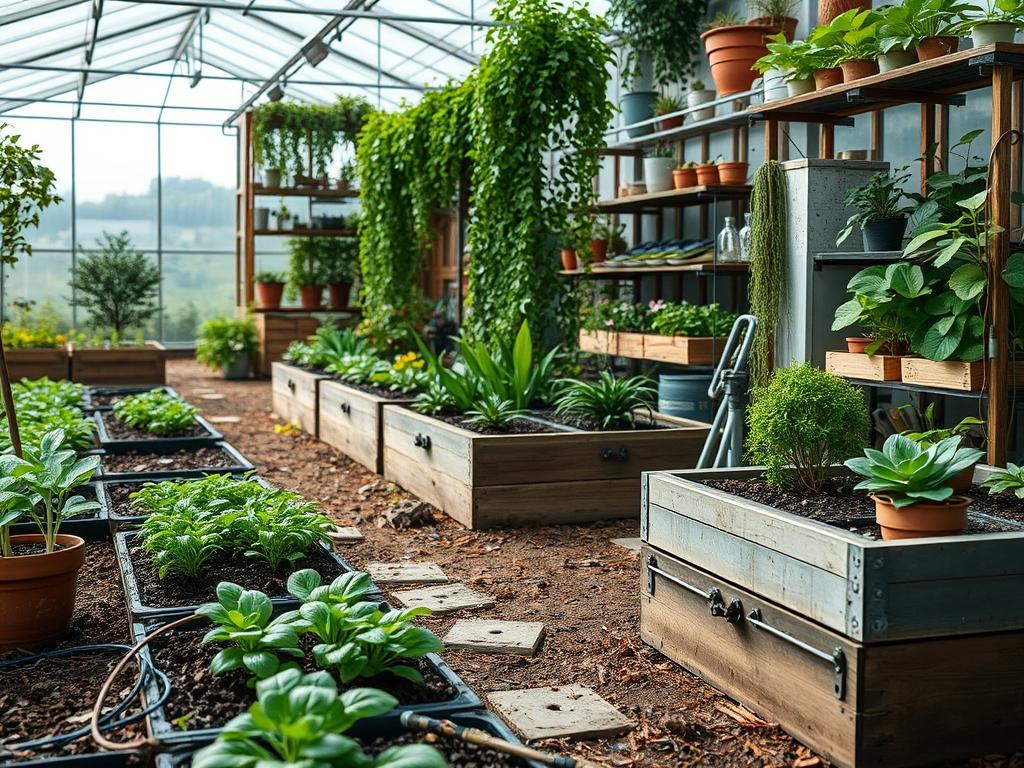
The transition from a tranquil water surface to the surrounding landscape defines the character of an outdoor living space. As a structural necessity and a primary aesthetic focal point, coping for garden pools acts as the literal and figurative frame for the aquatic environment. In professional landscape architecture, the selection of this material is never an afterthought. It represents the critical boundary where engineering meets artistry. Beyond the visual appeal, the coping must withstand constant moisture, chemical exposure, and the mechanical stresses of temperature fluctuations. For homeowners looking to elevate their property value and curb appeal, understanding the technical and stylistic nuances of decorative coping is the first step toward a cohesive backyard sanctuary.
Landscape Design Principles
Successful pool integration requires a deep understanding of visual balance and spatial hierarchy. Symmetry often governs formal designs, where the coping for garden pools mirrors the clean lines of a geometric house or a structured parterre garden. In these scenarios, architects often specify pre-cast concrete or honed limestone to provide a seamless, uniform edge. Conversely, an organic or naturalist design treats the pool like a hidden lagoon. Here, asymmetrical layouts and varied elevation layers help the water feature blend into the topography.
Elevation is perhaps the most overlooked principle in pool planning. The coping should serve as a primary level from which all other hardscaping radiates. When planning the transition to a lawn or garden bed, a slight pitch away from the water is mandatory. This ensures that rainwater and irrigation runoff carry fertilizers and debris toward a designated drainage channel rather than into the pool. Visual focal points, such as a water wall or a sculptural Japanese Maple, should be positioned to draw the eye across the coping, emphasizing the length or depth of the pool. Walking paths constructed from porcelain pavers or decomposed granite should meet the coping with a flush transition to prevent tripping hazards and maintain the flow of the landscape.
Plant and Material Selection
The following recommendations focus on materials and plant species that complement the unique microclimate near pool edges, where humidity is higher and light reflection is intense.
| Plant Type | Sun Exposure | Soil Needs | Water Demand | Growth Speed | Maintenance Level |
| :— | :— | :— | :— | :— | :— |
| Blue Star Creeper | Full Sun to Part Shade | Well-drained, moist | Moderate | Fast | Low |
| Japanese Forest Grass | Partial Shade | Humus-rich | High | Slow | Medium |
| Dwarf Palmetto | Full Sun | Sandy, adaptable | Low once established | Slow | Very Low |
| English Lavender | Full Sun | Gritty, alkaline | Low | Moderate | Medium |
| Dwarf Boxwood | Full Sun to Part Shade | Loamy | Moderate | Slow | High (pruning) |
When selecting hardscape materials for coping, the choice often dictates the longevity of the installation. Travertine remains a top choice for warmer climates because it remains cool to the touch even under direct midday sun. For regions with harsh winter freeze-thaw cycles, natural slate or granite provides the density required to resist cracking. Bluestone is frequently specified for its color depth, ranging from deep charcoal to soft lilac, though it must be treated with a high-quality penetrating sealer to prevent moisture-related delamination.
Implementation Strategy
Planning the layout of a backyard pool requires a phased approach that prioritizes structural integrity before aesthetic finishes. The first step involves precise grading. The land must be shaped to allow for a sub-grade drainage system that redirects water away from the pool’s concrete bond beam. Once the bond beam is cured and inspected, the coping for garden pools can be set. This involves applying a layer of modified thin-set or type S mortar to the beam. Each piece of coping must be leveled individually using a rubber mallet and a spirit level to ensure a perfectly flat perimeter.
After the coping is set, a 1 inch mastic joint or expansion joint must be installed between the coping and the surrounding deck or patio. This joint, typically filled with a flexible polyurethane sealant, allows the pool and the deck to move independently during soil shifts or thermal expansion. Edging the transition between the hardscape and the garden beds is the next priority. Use steel edging or poured concrete curbs to keep hardwood mulch or river rock from migrating onto the pool deck. Finally, ensure that the irrigation system is calibrated. Sprinkler heads should be positioned and angled to prevent overspray from hitting the coping directly, as mineral deposits from well water can cause permanent staining on natural stone.
Common Landscaping Failures
The most frequent failure in pool landscaping is the neglect of proper drainage planning. When the coping is installed without a secondary deck drain, or when the surrounding land slopes toward the water, the pool becomes a collection basin for silt and garden chemicals. This not only destroys the water chemistry but also creates hydrostatic pressure that can eventually heave the coping stones from their mortar bed.
Another common mistake is root overcrowding. Planting large, fast-growing trees like Willows or certain Oak species too close to the pool perimeter is a recipe for disaster. Powerful root systems can easily penetrate the pool wall or lift the paving stones, leading to costly structural repairs. Furthermore, improper spacing often ignores the mature width of the plant. A shrub that looks perfect in a three-gallon pot may grow to encompass the entire walkway within five years, forcing guests to sidestep the pool edge. Finally, many contractors fail to use a breathable sealer on porous stones. Trapping moisture inside a stone like sandstone during a freeze can cause the surface to spall and flake away, ruining the aesthetic investment.
Seasonal Maintenance
Maintaining a professional landscape requires a rhythm of care that changes with the weather. In the spring, the primary focus is on cleaning and inspection. Use a pressure washer on a low-setting or a stiff-bristle brush with a pH-neutral cleaner to remove algae and winter grime from the coping for garden pools. Check the expansion joints for signs of pulling or cracking; if the sealant has failed, it must be replaced to prevent water from seeping under the coping.
Summer maintenance is largely focused on the health of the surrounding flora. High temperatures and sunlight reflection from the water can scorch sensitive plants. Ensure that the mulch depth is maintained at precisely 3 inches to retain soil moisture and keep root zones cool. In the autumn, the goal shifts to debris management. Accumulating leaves can stain stone surfaces if left to decay. Promptly remove organic matter from the coping and the deck. If you live in a region with snow, avoid using rock salt or de-icing chemicals on the coping, as these will eat away at the finish of natural stone and concrete. Instead, use a plastic shovel and sand for traction. Winter is the time to monitor for structural shifts, observing any new gaps in the mortar joints that may require tuck-pointing once the weather warms.
Professional Landscaping FAQ
What is the best material for pool coping in hot climates?
Travertine is widely considered the gold standard for hot regions. Its natural porosity allows it to dissipate heat quickly, ensuring the surface remains comfortable for bare feet even during the peak of summer.
How do I prevent my pool coping from staining?
The most effective preventative measure is applying a high-quality silane-siloxane sealer. This creates a water-repellent barrier that prevents leaves, minerals, and pool chemicals from penetrating the surface of the stone or concrete.
Can I use regular mortar for installing coping for garden pools?
It is highly recommended to use a polymer-modified mortar. Standard mortar lacks the flexibility and adhesion strength required to handle the constant moisture and vibration associated with pool environments and pedestrian traffic.
How often should I replace the expansion joints?
On average, the polyurethane sealant in expansion joints lasts between five and seven years. You should replace it whenever you notice the material shrinking, peeling away from the stone, or becoming brittle.
What plants should I avoid near the pool edge?
Avoid plants with invasive root systems or those that drop excessive debris, such as Crepe Myrtles or Bougainvillea. These can clog the pool’s filtration system and cause unsightly staining on your decorative coping.