
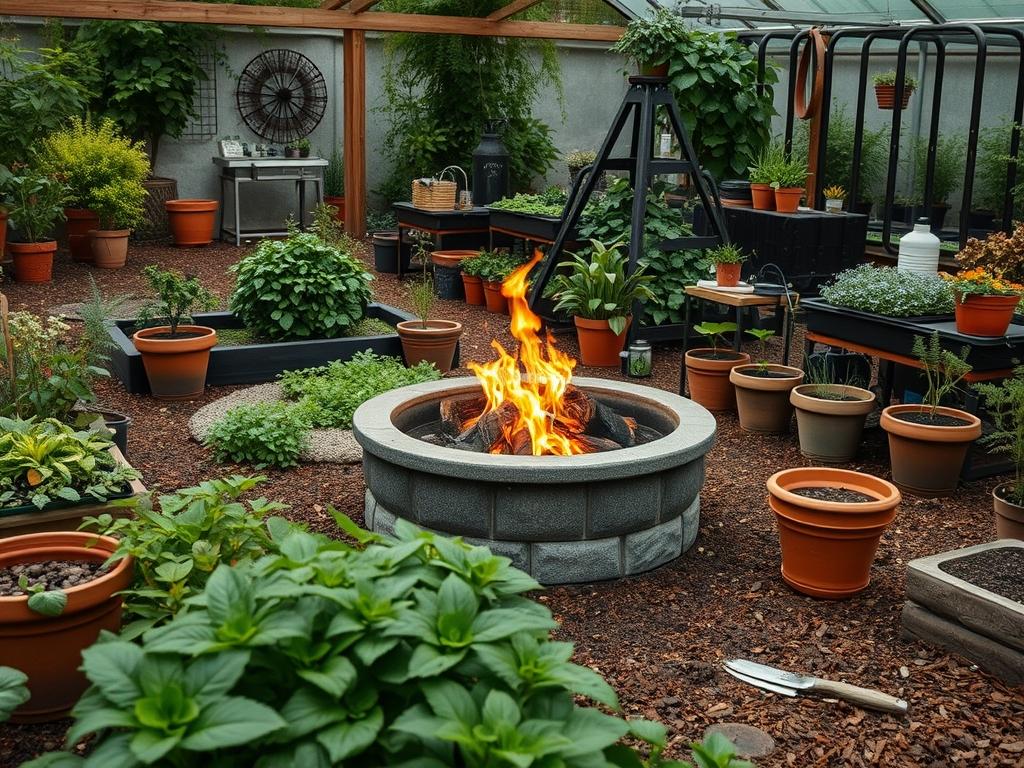
Integrating a fire feature into a residential landscape requires a sophisticated balance between aesthetic ambition and rigorous technical standards. As a landscape architect, I view the fire pit not merely as a luxury amenity, but as a complex focal point that anchors the entire outdoor environment. When we discuss Fire Pit Safety Tips, we are really discussing the engineering of a controlled environment. The goal is to maximize the functional utility of the backyard throughout the changing seasons while ensuring the structural integrity of the site and the safety of the inhabitants. Whether you are dealing with a sprawling suburban estate or a compact urban courtyard, the placement of a fire feature must account for prevailing wind patterns, property boundaries, and the specific microclimate of the region. A well-placed fire pit enhances curb appeal and increases property value, but a poorly planned one creates a permanent liability.
Professional site analysis is the first step in successful integration. We look at the topography to determine how heat will rise and how smoke will dissipate across different elevation layers. In regions with dense vegetation or strict drought-management protocols, the design must prioritize non-combustible materials and defensible space. By treating the fire pit as the heart of an “outdoor room,” we can create a sense of enclosure and intimacy without compromising the necessary clearances required by local building codes.
Landscape Design Principles
Symmetry and visual balance are the hallmarks of a professionally designed fire area. When placing a permanent hearth, it should align with the primary architectural axis of the home. This creates a seamless transition from the interior living space to the exterior environment. We often utilize retaining walls to carve out level seating areas on sloped lots, which provides both structural support and a clear physical boundary between the fire and the surrounding landscape.
Visual layers are equally important. By varying the height of the surrounding masonry and integrating built-in stone benches, we establish a sense of permanence. However, the most critical design principle regarding Fire Pit Safety Tips is the ten-foot rule. A minimum clearance of 10 feet from any combustible structure, including the home, fences, and low-hanging tree canopies, is the industry standard. This buffer zone should be paved with non-flammable materials like flagstone, travertine, or decomposed granite.
Elevation plays a subtle but vital role in drainage and safety. Raising the fire pit on a slight pedestal or “plinth” prevents rainwater from pooling at the base, which can cause cracking in concrete or stone over time through freeze-thaw cycles. Conversely, a sunken fire pit offers wind protection but requires a sophisticated drainage pipe system to prevent it from becoming a basin during heavy rainfall. Lighting also serves a dual purpose. Low-voltage LED path lights should be installed along the walkways leading to the pit to ensure safe navigation after sunset, while step lights integrated into the masonry prevent tripping hazards in the darker focal zones.
Plant and Material Selection
The choice of flora around a fire feature must be intentional. We avoid resinous or oily plants like junipers or pines which are highly flammable. Instead, we select species with high moisture content or those that grow close to the ground. In terms of hardscaping, the materials must be rated for high thermal stress. Standard house bricks may explode under extreme heat if moisture is trapped inside; therefore, kiln-fired fire bricks and refractory mortar are required for the interior lining.
| Plant Type | Sun Exposure | Soil Needs | Water Demand | Growth Speed | Maintenance Level |
| :— | :— | :— | :— | :— | :— |
| Aloe Vera | Full Sun | Sandy/Drying | Low | Moderate | Low |
| Agave | Full Sun | Well-drained | Very Low | Slow | Minimal |
| French Lavender| Full Sun | Alkaline | Low | Moderate | Pruning |
| Hens and Chicks| Full/Partial | Gritty | Low | Fast | Low |
| Red Yucca | Full Sun | Any | Low | Moderate | Minimal |
| Ice Plant | Full Sun | Sandy/Loam | Moderate | Fast | Moderate |
When selecting mulch for the surrounding garden beds, avoid wood-based products within five feet of the fire pit. Use lava rocks, river pebbles, or crushed slate. These materials do not catch fire from stray sparks and provide excellent drainage for the root systems of the nearby native plants.
Implementation Strategy
Planning the layout begins with excavation. For a permanent wood-burning pit, you must dig down at least 12 inches to create a solid foundation. The first layer should consist of 6 inches of compacted road base or crushed limestone to provide structural stability. This prevents the heavy stone or brickwork from shifting as the soil settles. Over this, lay a 2-inch layer of leveling sand before placing your first course of retaining wall blocks or natural stones.
If you are installing a gas-powered feature, the implementation strategy must include the professional installation of yellow-jacketed gas lines and a dedicated shut-off valve located at least 5 feet from the burner. Always utilize a stainless steel fire ring to distribute the flame evenly and protect the interior masonry. For those building a wood-burning unit, a heavy-duty steel liner is essential. This liner acts as a heat shield, preventing the exterior stone from reaching temperatures that could cause structural failure or accidental burns upon contact.
The finishing touch involves the “fill” material within the pit. Always use fire-rated glass, volcanic stone, or ceramic logs. Never use river stones picked up from a local creek; these often contain interior moisture that, when heated, converts to steam and can cause the rock to shatter or explode with significant force.
Common Landscaping Failures
The most frequent error in fire pit projects is neglecting the underground environment. Soil compaction is often ignored during the construction phase, leading to poor irrigation runoff. When water cannot penetrate the soil around the fire pit, it creates a swampy perimeter that can undermine the foundation of the hardscaping. Furthermore, improper spacing between the pit and the seating area can make the space uncomfortable. We recommend a minimum of 18 inches to 24 inches between the edge of the pit and the beginning of the seating to allow for legroom and heat dissipation.
Another common failure involves root overcrowding. Planting large deciduous trees too close to the heat source may look good initially, but as the root systems expand, they can heave the pavers and even compromise the gas lines or drainage pipes below. Additionally, failing to account for the “chimney effect” in narrow side yards can lead to smoke being pushed directly into the home windows. Proper ventilation is a mandatory component of any Fire Pit Safety Tips checklist.
Seasonal Maintenance
Landscape management is a year-round commitment. In the spring, inspect the masonry for any cracks that may have developed during winter frosts. Use a caulk-based masonry sealer if needed. Summer requires constant vigilance regarding clear zones; ensure that the mulch hasn’t migrated too close to the pit and that nearby shrubs are pruned back.
During autumn, the primary task is debris removal. Dry leaves are a major fire hazard and must be cleared daily from the pit and the surrounding flagstone patio. In the winter, if the pit is not in use, it should be covered with a weatherproof vinyl or canvas cover. This prevents water from entering the unit, freezing, and causing the interior liner or the gas burner holes to expand and damage. For gas units, always turn off the main supply valve during the coldest months to prevent any potential leaks during fluctuating temperatures.
Professional Landscaping FAQ
What is the safest distance for a fire pit?
Maintain a minimum of 10 feet from any structure, branch, or flammable material. This buffer ensures that sparks or shifting winds do not transfer heat to the home, wooden decks, or overhanging trees, keeping your family and property secure.
Which base material is best for fire pits?
A combination of compacted gravel and leveling sand provides the most stable foundation. For the interior basin, lava rocks or fire glass are superior because they withstand high temperatures without cracking or trapping moisture that could cause explosions.
Can I put a fire pit on a wooden deck?
It is not recommended unless you use a specifically engineered fire pedestal with a heat shield and a spark screen. Even then, placing a non-combustible mat underneath the unit is vital to prevent embers from damaging the wood.
How do I manage smoke in my backyard?
Position the pit in an open area with clear airflow. For wood-burning pits, use only seasoned hardwoods like oak or hickory, which burn cleaner. Alternatively, transition to a propane or natural gas burner to eliminate smoke entirely.
How deep should a fire pit foundation be?
A professional-grade foundation should reach a depth of at least 12 inches. This allows for a 6-inch layer of drainage stone and a solid base of masonry, ensuring the feature does not settle unevenly or tilt over time.