
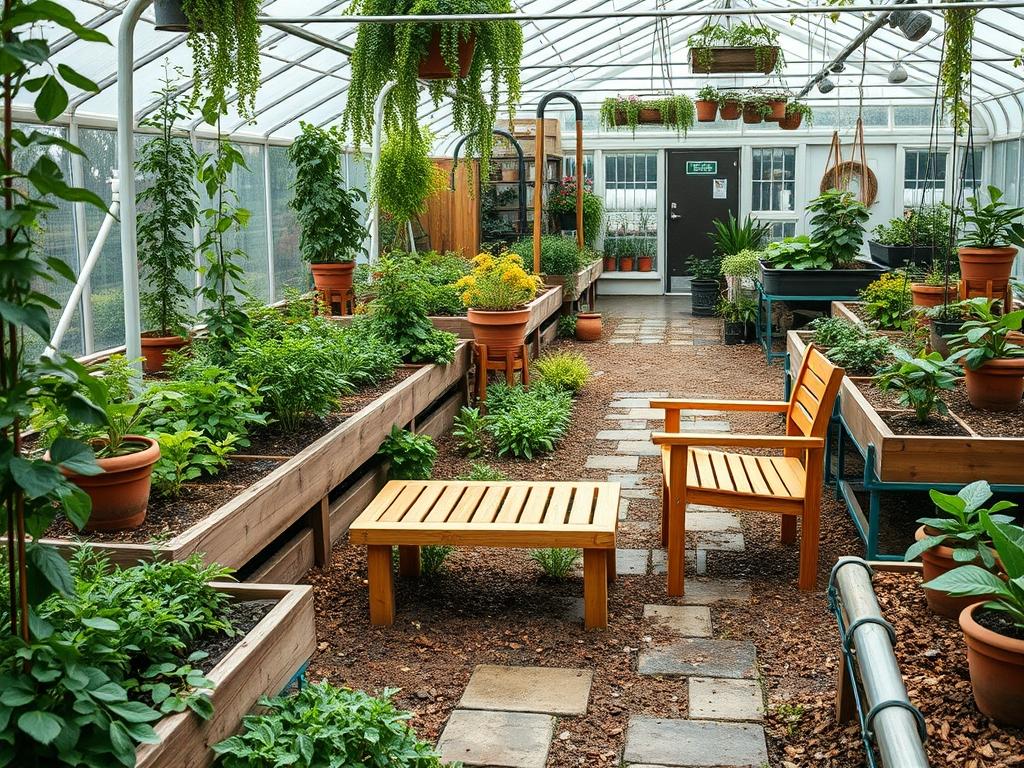
Integrating high-end furniture into a professional landscape design requires more than just aesthetic sensibility; it demands a deep understanding of environmental stressors and spatial orchestration. When we curate an outdoor environment, the transition from the architectural lines of the home to the fluid textures of the garden is often anchored by the deck. This transitional space serves as an outdoor room where modern deck furniture acts as the primary functional component. The challenge for many homeowners lies in maintaining the integrity of these pieces while ensuring the surrounding landscape enhances their longevity. Climate considerations, such as humidity levels, UV exposure, and precipitation patterns, dictate the choice of materials and the necessity of protective measures. A well-planned deck remains the heartbeat of curb appeal and functionality, but without a rigorous approach to maintenance and strategic placement, even the most expensive teak or powder-coated aluminum sets can succumb to the elements within a few seasons.
The intersection of horticulture and hardscaping creates a microclimate that directly impacts your outdoor assets. For instance, a deck shaded by a dense canopy of Oak or Maple trees may stay cool in the summer, but it will also face increased risks from moisture retention and organic debris, which can lead to mold on upholstery. Conversely, an open-south-facing deck provides maximum sun exposure, demanding rigorous UV protection for both the wood and the fabrics. As landscape architects, we view the deck not as a separate entity, but as a component of the broader site plan. This perspective ensures that drainage systems divert water away from the footings and that the vertical layers of the garden provide necessary windbreaks, protecting lighter furniture from being displaced during storms.
Landscape Design Principles
Successful landscape design rests on the pillar of balance. When arranging a modern deck, symmetry often dictates a sense of order and calm. By aligning furniture with the central axis of the home, we create a seamless visual flow. Focal points are equally vital; a high-quality fire table or a sculptural Japanese Maple can serve as the anchor for the seating arrangement. We use these elements to draw the eye and define the purpose of the space.
Elevation layers add depth and complexity to the garden. By varying the height of planters and using retaining walls, we can create “walls” for the outdoor room that offer privacy without the starkness of a fence. This layering technique also aids in managing sightlines. From a seated position on the deck, the viewer should be able to look over low-growing shrubs to see a distant focal point, a principle known as borrowed scenery.
Irrigation planning must be integrated into the initial design phase to prevent water from splashing onto furniture regularly. Over-spray from oscillating sprinklers is a primary cause of mineral deposits on metal frames and wood rot in furniture legs. Instead, we utilize drip irrigation systems buried beneath a layer of hardwood mulch. This ensures that water reaches the root zones of the plants directly, keeping the deck surface dry and reducing the maintenance burden on the homeowner.
Plant and Material Selection
The following table outlines plants and materials that complement modern deck environments while considering the maintenance needs of the surrounding area.
| Plant Type | Sun Exposure | Soil Needs | Water Demand | Growth Speed | Maintenance Level |
| :— | :— | :— | :— | :— | :— |
| Blue Oat Grass | Full Sun | Well-drained | Low | Moderate | Low |
| Boxwood ‘Green Velvet’ | Full to Part Sun | Loamy/Neutral | Medium | Slow | Moderate |
| Lavender | Full Sun | Sandy/Gritty | Low | Moderate | Low |
| Hydrangea Macro. | Part Shade | Rich/Moist | High | Fast | Moderate |
| Dwarf Fountain Grass | Full Sun | Adaptable | Low | Fast | Low |
| Star Jasmine | Full to Part Sun | Well-drained | Medium | Fast | Moderate |
For the materials themselves, we prioritize longevity. Ipe wood and Composite Decking provide a durable foundation. For furniture, we recommend Solution-dyed Acrylic fabrics which resist fading and grade A teak for its natural oils that repel insects and rot.
Implementation Strategy
The execution of a backyard layout begins with professional grading. The ground must slope away from the deck and house at a minimum of 2 percent to ensure proper drainage. Once the grade is established, we map out the footings for the deck and any permanent hardscape features like natural stone walkways.
Edging is the next critical step. Using steel or heavy-duty plastic edging creates a clean break between turf and planting beds, preventing grass from encroaching on the deck’s foundation. Inside these beds, we apply a 3 inch layer of mulch to regulate soil temperature and retain moisture. This mulch also prevents soil from splashing onto the deck during heavy rains.
When placing furniture, we consider the “flow of traffic.” There should be at least 3 feet of clearance around seating areas to allow for comfortable movement. If the deck is elevated, we incorporate tempered glass railings to maintain an unobstructed view of the garden. For storage, we often design hidden compartments beneath the deck or build custom weatherproof cedar chests that double as bench seating, ensuring that cushions and accessories are protected during the off-season.
Common Landscaping Failures
The most frequent error we encounter is poor drainage planning. When water pools near the deck footings or under the furniture, it creates a breeding ground for pests and accelerates the decay of organic materials. We avoid this by installing French drains or catch basins in low-lying areas.
Another common mistake is root overcrowding. Planting large trees too close to the deck can lead to roots lifting the pavers or damaging the foundation. It is essential to research the mature spread of any tree before planting. Furthermore, improper spacing of shrubs can lead to poor air circulation. When plants are packed too tightly, they trap humidity, which increases the likelihood of mildew on nearby furniture.
Soil compaction is often overlooked. During construction, heavy machinery can compress the soil, destroying its structure and preventing water infiltration. We mitigate this by using a tiller to loosen the earth and adding compost to restore porosity. Finally, irrigation inefficiencies, such as misaligned heads, can cause constant dampness on the deck, leading to slippery surfaces and stained furniture.
Seasonal Maintenance
Maintenance is a year-round commitment that changes with the seasons. In the spring, the focus is on cleaning and inspection. We use a soft-bristled brush and a mild detergent to remove winter grime from furniture. This is also the time to apply a fresh coat of UV-rated sealant to wood surfaces and to check all hardware for tightness.
Summer is the season of vigilance. High heat can dry out wood, so we occasionally mist teak furniture to keep it from cracking, though this must be done sparingly. We also ensure that irrigation timers are adjusted to account for increased evaporation.
Autumn requires a proactive approach to debris management. Falling leaves should be swept off the deck daily to prevent staining. As the temperature drops, we begin the process of “winterizing.” This includes cleaning all cushions, ensuring they are completely dry, and storing them in breathable storage bags.
In the winter, the priority is protection from snow and ice. We use custom-fitted furniture covers made of heavy-duty polyester with ventilation flaps to prevent condensation. It is vital to avoid using salt or chemical deicers on or near the deck, as these can corrode metal furniture and damage the soil chemistry of the surrounding garden.
Professional Landscaping FAQ
How often should I seal my wood deck furniture?
You should apply a high-quality penetrating oil or sealant annually. This prevents the wood from silvering and protects it from moisture intrusion. Always clean the surface thoroughly and allow it to dry for 48 hours before application.
Can I leave my outdoor cushions out in the rain?
While many modern fabrics are water-resistant, they are not waterproof. Constant saturation can lead to mold growth within the foam. It is best to store cushions in a weatherproof deck box during heavy storms or prolonged periods of non-use.
What is the best way to clean aluminum furniture frames?
Use a mixture of mild soap and warm water with a microfiber cloth. Avoid abrasive cleaners or steel wool, which can scratch the powder coating. Rinsing with a garden hose on a low-pressure setting is usually sufficient for regular maintenance.
How do I prevent weeds from growing under my deck?
Install a high-grade geotextile weed barrier over the soil and cover it with a layer of crushed gravel. This prevents sunlight from reaching the soil while allowing for proper drainage, keeping the area beneath your deck clean and dry.
Should I power wash my furniture every year?
No, excessive power washing can splinter wood fibers and strip the protective finish from metal. A low-pressure garden hose and manual scrubbing are much safer for the long-term structural integrity of high-end outdoor furniture and delicate upholstery.