
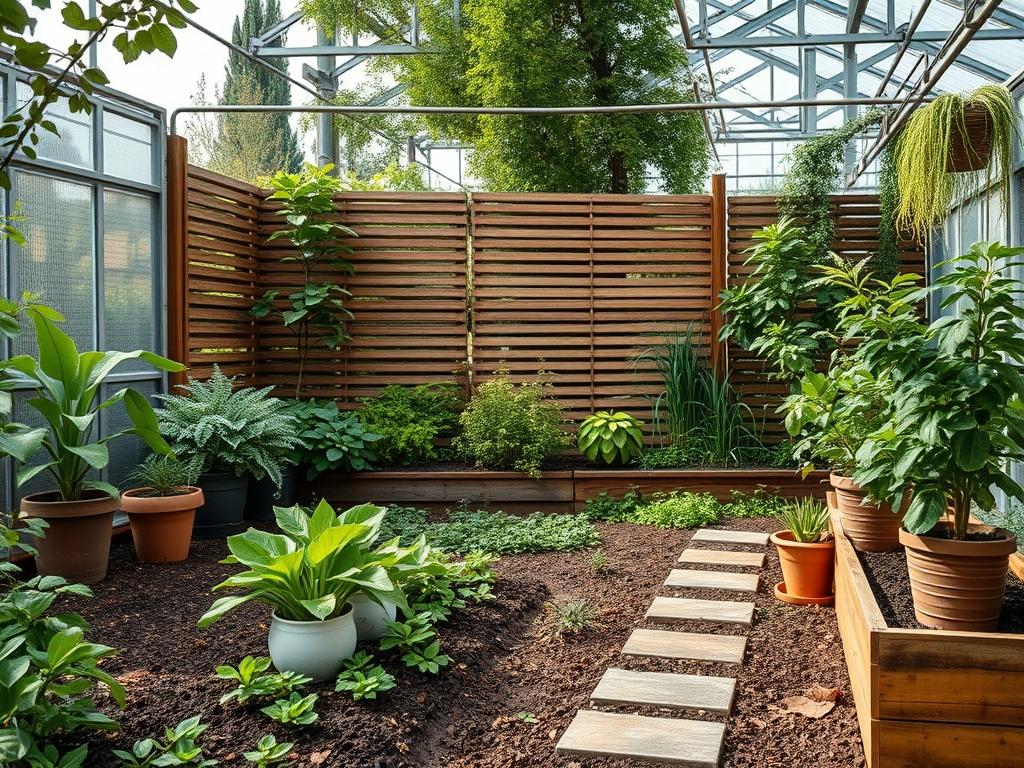
Architectural privacy in modern residential design has shifted from the pursuit of total isolation to a more nuanced balance of light, airflow, and aesthetics. The traditional solid barrier often creates a stagnant microclimate and a heavy visual footprint that can make smaller yards feel claustrophobic. Backyard Privacy Slat Fences have emerged as the premier solution for homeowners seeking a sophisticated boundary that provides seclusion without sacrificing the biological health of the garden. These structures utilize precise horizontal or vertical spacing to allow wind to pass through, reducing the wind load on the footings while creating a dynamic play of light and shadow throughout the day. When integrated correctly, these fences act as the backbone of the entire landscape, providing a consistent backdrop that highlights the textures of your plantings and the clean lines of your hardscaping.
The landscaping challenge for any high end property involves managing the transition between the built environment and the organic growth of the garden. A well designed fence must account for climate factors such as high wind zones, heavy snow loads, or intense UV exposure, all of which dictate the choice of materials and the depth of the structural support. Beyond the functional requirements, the curb appeal impact is significant; a modern slat system communicates a contemporary sensibility that can substantially increase property value. Every design decision, from the width of the gap spacers to the choice of stain color, should serve the broader goal of outdoor functionality, ensuring the space feels like a private sanctuary rather than a confined enclosure.
Landscape Design Principles
Modern landscape architecture relies on the intelligent use of symmetry and focal points to create a sense of order. When installing Backyard Privacy Slat Fences, the linear nature of the slats naturally draws the eye along the perimeter of the property. This can be used to direct attention toward a specific focal point, such as a Custom Fire Pit or a Tiered Water Feature. To avoid a monotonous appearance, we implement elevation layers. This involves varying the height of the fence or pairing it with Retaining Walls made of Board-Form Concrete or Natural Stacked Stone. By staggering the heights of the hardscape elements, you create visual depth that prevents the fence from appearing as a flat, two-dimensional wall.
Visual balance is achieved by contrasting the rigid, geometric lines of the slats with soft, organic plant forms. Incorporating Espaliered Fruit Trees or Climbing Vines against the slats can soften the industrial feel of metal or the starkness of dark wood. Furthermore, professional planning must include the integration of walkways and irrigation. We recommend installing PEX Piping for irrigation systems and Low Voltage LED Lighting conduits before the fence posts are set in concrete. This prevents future disruption to the root zones of your perimeter plantings and ensures that the lighting fixtures can be integrated directly into the fence structure for a seamless evening glow.
Plant and Material Selection
Selecting the right materials for the fence and the surrounding flora is critical for long term durability and aesthetic harmony. Below is a guide for plants that complement the structured lines of modern slat fencing.
| Plant Type | Sun Exposure | Soil Needs | Water Demand | Growth Speed | Maintenance Level |
| :— | :— | :— | :— | :— | :— |
| Standard Boxwood | Full Sun to Part Shade | Well-Drained, Loamy | Moderate | Slow | High (Pruning) |
| Feather Reed Grass | Full Sun | Moist, Average | Moderate | Fast | Low |
| Star Jasmine | Full Sun to Part Shade | Rich, Organic | Moderate | Medium | Medium (Training) |
| Japanese Maple | Filtered Sunlight | Slightly Acidic | High | Slow | Low |
| Cherry Laurel | Full Sun to Shade | Adaptable, Moist | Moderate | Fast | Medium |
| Blue Oat Grass | Full Sun | Dry, Rock-Heavily | Low | Medium | Low |
For the fence itself, we utilize premium materials such as Grade A Western Red Cedar, Ipe Hardwood, or Powder-Coated Aluminum. Composite Slat Boards are also an excellent choice for those seeking the look of wood without the requirements of annual staining. When selecting hardware, only Stainless Steel Screws or Hot-Dipped Galvanized Fasteners should be used to prevent unsightly rust streaks from bleeding down the face of the slats over time.
Implementation Strategy
The successful implementation of a garden layout begins with a comprehensive site survey and professional grading. Before a single post hole is dug, the land must be assessed for drainage patterns to ensure that water does not pool at the base of the fence, which can lead to rot or frost heave. We utilize a Laser Level to establish a consistent top line for the fence, especially on sloping terrain where the fence may need to be “stepped” or “racked” to follow the grade.
Once the layout is marked with High-Visibility Masonry Line, the installation of posts occurs. For Backyard Privacy Slat Fences, we recommend a post depth of at least 36 inches in colder climates to sit below the frost line. Each post hole is filled with 3,000 PSI Concrete and topped with a slight slope to shed water away from the post. Between the posts, we suggest a span of no more than 6 feet for wood or 8 feet for metal to prevent the slats from sagging. After the structural framework is set, the Edging for garden beds is installed, followed by a Geotextile Fabric layer and at least 3 inches of Hardwood Mulch. This layering prevents weed growth and retains moisture for the plants that will eventually sit against the slat backdrop.
Common Landscaping Failures
One of the most frequent mistakes in backyard fencing is the neglect of proper drainage. When a fence is installed at the bottom of a slope without a French Drain or Gravel Trench, it acts as a dam, trapping water and saturating the soil. This leads to soil compaction and root rot for nearby plants. Another common failure is root overcrowding. Homeowners often plant Fast-Growing Privacy Hedges too close to the fence line. As the root ball expands, it can exert literal tons of pressure on the fence footings, causing the structure to lean or crack.
Improper spacing of the slats also presents a significant risk. If the gaps are too small, the fence acts as a solid sail; during a high wind event, the sheer force can snap posts or pull them out of the ground. Conversely, if the spacing is too wide, the privacy goal is defeated. We also frequently see irrigation inefficiencies where Spray Heads are positioned to hit the wooden slats directly. Continuous saturation will cause even the most durable Ipe or Cedar to warp, discolor, and decay prematurely.
Seasonal Maintenance
Maintaining a professional landscape requires a seasonal rhythm of care. In the spring, inspect the fence for any signs of “heaving” caused by the winter freeze thaw cycle. This is also the time to apply a fresh coat of UV-Rated Transparent Stain if you are using natural wood. As the summer heat arrives, monitor the tension of any Espalier Wire Systems attached to the fence, as metal expands in the heat and may need adjustment. Ensure your Drip Irrigation emitters are clear of debris to keep the perimeter plants hydrated during peak temperatures.
Autumn is the season for debris management. Fallen leaves should be cleared from the base of the fence to prevent moisture traps that encourage fungal growth and insect infestations. Check the fasteners for any loosening caused by wood contraction. In the winter, focus on protection. If your region experiences heavy snow, avoid piling snow against the slats when clearing paths. The weight and the salt from de-icing agents can damage the finish of Powder-Coated Aluminum or the cellular structure of natural timber.
Professional Landscaping FAQ
What is the ideal gap size for privacy and airflow?
For effective Backyard Privacy Slat Fences, we recommend a gap between 0.5 inches and 1 inch. This provides significant visual blockage while allowing enough wind passage to reduce the structural load on the fence posts during storms.
Which wood species lasts the longest for horizontal slats?
Ipe and Teak are the most durable hardwoods, often lasting over forty years. For a more budget friendly option, Western Red Cedar is excellent due to its natural resistance to rot and insects; however, it requires regular sealing.
How do I prevent my slat fence from sagging over time?
Ensure that the horizontal span between posts does not exceed 6 feet. Use a center stringer or vertical support rib on the backside of the slats to provide additional rigidity and prevent the natural bowing of the wood.
Can I install a slat fence on an uneven slope?
Yes. You can either “step” the panels, where each section remains level but sits higher than the next, or “rack” the fence, where the slats follow the parallel angle of the ground. Stepping is preferred for clean, modern lines.
How do I integrate lighting into the slats?
Use Low Voltage LED Strip Lights or Recessed Puck Lights tucked under the top rail or behind specific slats. Always run the wiring through Flexible Conduit during the initial installation phase to keep the electrical components hidden and protected.