
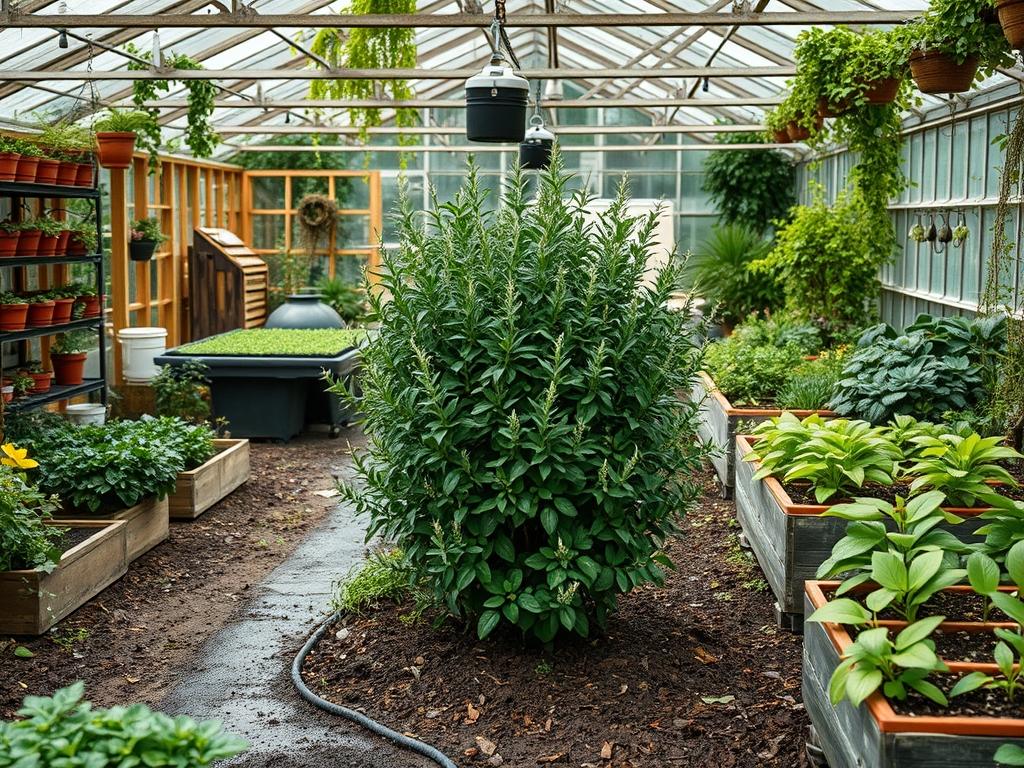
Establishing a private sanctuary within the confines of a residential lot requires more than simply planting a row of bushes and hoping for the best. To the professional landscape architect, creating a perimeter buffer is an exercise in spatial definition, microclimate management, and architectural integration. A well executed backyard privacy shrub top selection functions as living infrastructure that baffles sound, filters wind, and creates a visual boundary that feels organic rather than restrictive. When we approach a site, we must first assess the topography and existing drainage patterns because these factors dictate the health of the screening material and the longevity of the entire landscape design. Homeowners often underestimate how much a cohesive green wall can enhance curb appeal and property value; it acts as a permanent backdrop for seasonal interest and provides a structural anchor for more delicate ornamental plantings.
Landscape Design Principles
Professional landscape design is governed by the principles of symmetry, rhythm, and balance. In the context of a privacy screen, the concept of layering is paramount. Rather than planting a single, monotonous line of identical species, we often recommend a tiered approach. This involves placing taller evergreen specimens at the rear and staggered mid sized shrubs in the foreground. This technique prevents the wall of green effect, which can feel claustrophobic on smaller lots. By creating depth through staggered planting, you manipulate the viewer’s perception of the property line, making the yard feel more expansive than its physical dimensions suggest.
Focal points are equally critical. Even within a privacy screen, the eye needs a place to rest. This might be achieved by breaking a long run of Thuja Occidentalis with a specimen tree or a stone water feature. Furthermore, we must consider sightlines from both inside the home and from neighboring second story windows. Elevating certain sections of the planting bed or utilizing existing topographical rises can help obstruct these high angle views without requiring shrubs to grow to unmanageable heights. Proper irrigation planning must be integrated into this initial design phase; a dedicated drip line system is far superior to overhead sprayers, as it delivers moisture directly to the root zone and minimizes the risk of fungal pathogens on the foliage.
Plant and Material Selection
Selecting the right biological components for your living wall requires a detailed analysis of your specific hardiness zone and soil pH. The following table highlights some of the most effective options for a top rated privacy screen.
| Plant Type | Sun Exposure | Soil Needs | Water Demand | Growth Speed | Maintenance Level |
| :— | :— | :— | :— | :— | :— |
| Emerald Green Arborvitae | Full Sun to Partial Shade | Well drained, Loamy | Moderate | Slow to Medium | Low |
| Green Giant Arborvitae | Full Sun | Adaptable/Moist | Moderate | Fast (3 feet/year) | Medium |
| Nellie R. Stevens Holly | Full Sun to Partial Shade | Slightly Acidic | High during establishment | Medium | Low |
| Skip Laurel | Partial Shade to Shade | Nutrient rich | Moderate | Medium | Medium |
| Leyland Cypress | Full Sun | Well drained | Moderate | Very Fast | High (Pruning) |
| Privet (Ligustrum) | Full Sun to Partial Shade | Most soil types | Low once established | Fast | High (Formal clipping) |
Implementation Strategy
The successful installation of a backyard privacy shrub top design begins with site preparation and grading. You must ensure that the ground slopes away from both the home and the root balls of your new plants to prevent standing water. We recommend a grading rake to smooth the area before any digging begins. Once the grading is finalized, use a marking paint to outline the planting beds. For a professional finish, avoid straight lines; gentle curves create a more naturalistic and high end aesthetic.
When digging the holes, they should be twice as wide as the root ball but no deeper than the height of the root system. This allows the roots to spread laterally into loosened soil without the plant settling too deep, which can lead to trunk rot. After placing the shrubs, backfill with a mix of native soil and organic compost. Apply a slow release fertilizer to provide a steady supply of nutrients during the first growing season.
Once the shrubs are in the ground, install an edging material such as heavy duty steel or professional grade poly to keep the lawn from encroaching on the beds. Finish the area with a 3 inch layer of hardwood mulch. Mulch is not just decorative; it suppresses weeds, regulates soil temperature, and retains vital moisture. For drainage, if your site has a low spot, consider installing a French drain composed of perforated pipe and washed gravel prior to planting. This ensures that your investment does not perish during heavy rain events.
Common Landscaping Failures
The most frequent mistake in backyard screening is improper spacing. Homeowners, eager for immediate privacy, often plant shrubs far too close together. As these plants mature, they compete for nutrients, sunlight, and airflow. This leads to bottom thinning, where the lower branches die back, leaving the screen transparent at the very height where privacy is most needed. Always consult the mature width of the species and space them based on their final size, not their size at the nursery.
Soil compaction is another silent killer of privacy screens. Construction equipment or heavy foot traffic can compress the soil, squeezing out the oxygen that roots need to survive. If you have compacted clay, you must use a core aerator or till in large amounts of organic matter before planting. Additionally, many people fail to account for the impact of wind. High profile evergreen screens can act like sails during a storm. If not properly staked with arborist webbing and steel T-posts during their first two years, they can lean or topple, ruining the symmetry of your design. Lastly, overwatering is just as dangerous as underwatering. Irrigation systems that run every day regardless of rainfall create anaerobic soil conditions that suffocate roots.
Seasonal Maintenance
Maintenance is the bridge between a good landscape and a great one. In the spring, your focus should be on rejuvenating the soil. Apply a fresh layer of mulch if the old layer has decomposed and use a bypass pruner to remove any winter kill or damaged branches. This is also the time for a balanced 10-10-10 fertilizer application to jumpstart the spring growth flush.
Summer maintenance is primarily about hydration management. During periods of extreme heat, even established shrubs may need supplemental deep watering. Monitor for pests like bagworms or spider mites, which can quickly defoliate an entire evergreen screen. Use an integrated pest management approach, starting with the least toxic options first.
In the autumn, move toward preparations for dormancy. Do not apply nitrogen heavy fertilizers after late August, as this encourages new, tender growth that will be killed by the first frost. Instead, focus on clean up and ensuring the plants have adequate moisture before the ground freezes. Winter maintenance involves protecting young shrubs from heavy snow loads, which can splay branches. A light wrapping of burlap or the use of twine to gently cinch branches together can prevent structural damage during ice storms.
Professional Landscaping FAQ
How far apart should I space privacy shrubs?
Spacing depends on the species mature width. Typically, you should plant them so the centers are roughly 75 percent of their mature spread apart. This allows the plants to knit together into a solid wall without creating excessive root competition or airflow restriction.
What is the fastest growing shrub for privacy?
The Green Giant Arborvitae and Leyland Cypress are among the fastest, often growing 3 to 4 feet per year under ideal conditions. However, fast growth often requires more frequent pruning to maintain a tidy shape and to prevent the plants from becoming leggy.
Does a privacy screen require a permit?
Usually, living fences do not require permits, unlike wooden or vinyl fences which have strict height limits. However, you should always check your local municipal codes or HOA regulations, as some areas have restrictions on planting height near property lines or sight triangles.
How do I prevent my shrubs from dying in winter?
Ensure they are well hydrated before the first freeze. Evergreens continue to transpire water during winter, and if the ground is frozen, they cannot replenish moisture. Applying an anti-desiccant spray can also help protect needles and leaves from harsh, drying winter winds.
Can I grow a privacy screen in deep shade?
Yes, though your options are more limited. Skip Laurel, Japanese Yew, and certain varieties of Holly perform well in lower light conditions. Be aware that most shade tolerant shrubs grow more slowly than those planted in full sun, so patience is required.