
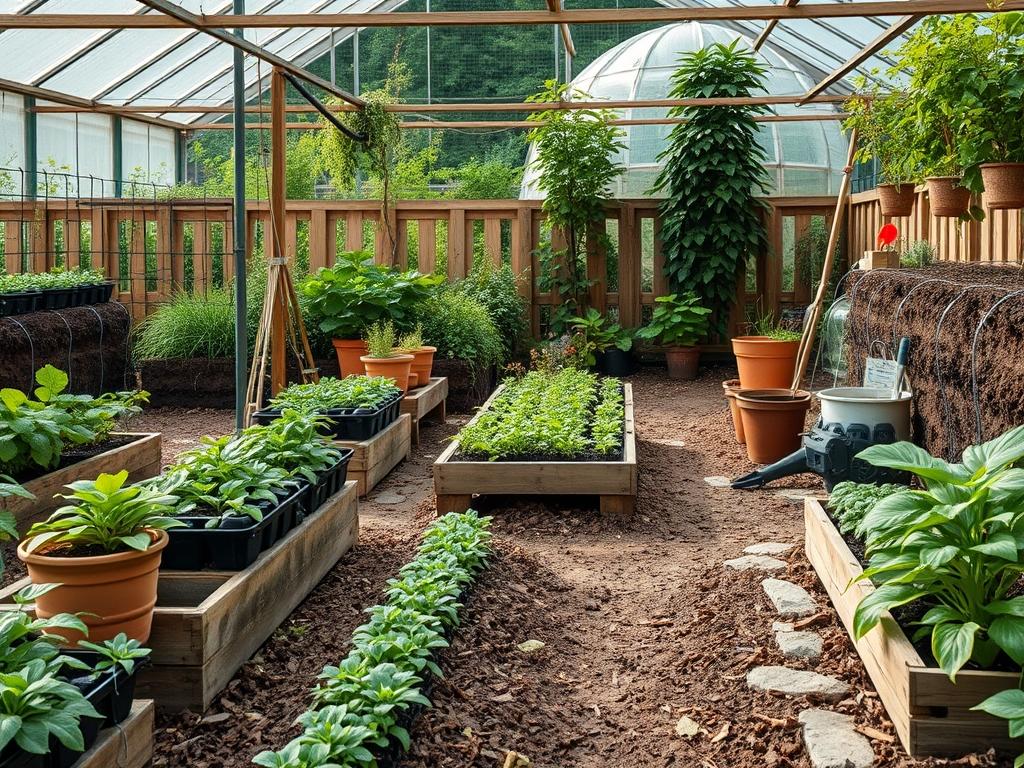
Defining the perimeter of a residential property requires a careful balance between structural necessity and aesthetic intent. When a homeowner considers a perimeter upgrade, the primary motivation often centers on security or noise reduction, yet the long term value lies in how a vertical structure integrates with the existing ecosystem. A well executed landscape plan treats a boundary as a living element. It provides the backdrop for ornamental beds, dictates the flow of prevailing winds, and establishes a sense of enclosure that can transform an exposed lawn into a private sanctuary. Understanding the backyard privacy fence pros and cons is essential for any property owner looking to enhance their outdoor environment. These structures serve as the definitive frame for a landscape, influencing everything from the microclimate of the garden to the overall market value of the home. Before a single post is set in concrete, a landscape architect must evaluate the site topography, existing drainage patterns, and the architectural style of the residence to ensure the proposed barrier functions as an asset rather than an eyesore.
Modern landscaping seeks to harmonize the rigid lines of a fence with the soft, organic shapes of the plant palette. A common challenge involves navigating local zoning laws and setbacks while attempting to achieve total seclusion. In many regions, the transition between a structured patio and a wilder garden edge is bridged by a physical barrier that must withstand shifting soil and varying moisture levels. The choice of material and height will dictate the amount of sunlight reaching perennial borders and turfgrass, making the planning phase critical for plant health. By viewing the fence as a functional component of the outdoor living space, homeowners can create a cohesive environment that prioritizes both functionality and visual appeal.
Landscape Design Principles
Symmetry and focal points are the foundation of a successful site plan. When installing a vertical barrier, it is imperative to align the structure with the primary sightlines from the home windows and outdoor seating areas. A Privacy Fence should never appear as a continuous, monotonous wall. Instead, architects use elevation layers to break up the visual mass. This is often achieved by stepping the fence height along natural slopes or incorporating recurrent architectural motifs like pergolas or decorative post caps. Visual balance is maintained by pairing a sturdy fence with tiered plantings. For instance, placing taller Arborvitae or Upright Yews near the fence line creates a transition that softens the hard edge of the wood or vinyl.
Irrigation planning is another vital principle that many overlook during the initial design. A fence can inadvertently create rain shadows or alter the natural runoff of a slope. Designing integrated garden beds that sit flush against a fence requires a strategic approach to water delivery. Subsurface Drip Irrigation systems are preferred in these areas to prevent water from splashing against the fence material, which often leads to rot or staining. Additionally, walkways must be mapped out to allow for maintenance access. Leaving a small gap between the fence and the dense foliage ensures that both the structure and the plants can be serviced without obstruction. If the yard features significant elevation changes, Retaining Walls may be required to level the grade before the fence is installed, ensuring that the posts remain plumb and secure over decades of use.
Plant and Material Selection
Choosing the right combination of structural materials and living greenery is what defines a high-end landscape. The following table outlines various selections that thrive when paired with standard privacy partitions.
| Plant Type | Sun Exposure | Soil Needs | Water Demand | Growth Speed | Maintenance Level |
| :— | :— | :— | :— | :— | :— |
| Emerald Green Arborvitae | Full Sun | Well-Drained | Moderate | Medium | Low |
| Star Jasmine | Sun to Part Shade | Loamy | Regular | Fast | Moderate (Pruning) |
| Skyrocket Juniper | Full Sun | Rocky/Sandy | Low | Fast | Low |
| Boxwood (Green Velvet) | Sun to Shade | Neutral | Moderate | Slow | Moderate (Shearing) |
| Climbing Hydrangea | Shade to Part Sun | Rich/Moist | High | Slow Start | Moderate |
| Western Red Cedar | N/A (Material) | N/A | Low (Rot Resistant) | N/A | Seasonal Staining |
| Vinyl Composite | N/A (Material) | N/A | Zero | N/A | Low (Cleaning) |
When selecting a fence material, Western Red Cedar remains a gold standard for its natural oils that repel insects and resist decay. However, for those seeking a modern look with minimal upkeep, Aluminum or high-quality Composite panels offer clean lines and impressive longevity. The Soil PH and moisture levels along the fence line will ultimately dictate which plants will survive. In areas with heavy clay, soil amendments such as Peat Moss or Compost are necessary to prevent root rot at the base of the fence.
Implementation Strategy
A successful backyard layout begins with professional Site Grading. The ground must be leveled or sloped away from the fence line to prevent standing water from compromising the structural integrity of the posts. Once the grade is established, the layout is marked using string lines and Surveyor Stakes. Every post hole should be dug to a depth of at least 36 inches, or below the local frost line, to prevent the fence from heaving during winter months. Using a Power Auger can speed up this process, but manual digging is often required near existing utility lines.
After the posts are set in Quick-Setting Concrete, the installation of panels or pickets can begin. It is crucial to leave a small clearance of at least 2 inches between the bottom of the fence and the soil. This prevents moisture from wicking into the wood and allows for the application of Hardwood Mulch or Decorative Stone without burying the fence boards. Edging should be installed along the base of the fence to create a clean transition between the lawn and the planting beds. This Steel Edging or Paver Border also protects the fence from damage caused by string trimmers and lawnmowers during routine maintenance. Finally, a high-quality Penetrating Stain or sealant should be applied to wood fences to lock out moisture and prevent UV damage.
Common Landscaping Failures
The most frequent mistake in backyard planning is the total neglect of drainage. When a fence is installed across a natural swale without providing a drainage gap, it acts as a dam. Water collects behind the panels, leading to soil saturation and eventually causing the fence to lean or the posts to rot. To avoid this, landscape consultants often recommend installing a French Drain or a series of Gravel-Filled Trenches that run parallel to the fence to redirect excess runoff.
Root overcrowding is another significant issue. Homeowners often plant fast-growing screening trees like Leyland Cypress too close to the fence line. As the root flare expands, it can exert tremendous pressure on the Concrete Footers, causing the fence to crack or buckle. Always respect the mature spread of a species; if a tree has a 10 foot spread, it should be planted at least 5 feet away from the structure. Furthermore, using improper fasteners, such as non-galvanized nails, leads to “bleeding,” where rust streaks mar the appearance of the wood within just a few seasons. Always insist on Stainless Steel or Hot-Dipped Galvanized hardware for all outdoor construction.
Seasonal Maintenance
Managing a landscape requires a year-round commitment to preserve the utility and beauty of the enclosure. In the Spring, the focus is on inspection and cleaning. Check for any signs of Frost Heave and ensure that the irrigation lines are pressurized and clear of debris. This is also the time to apply a pre-emergent herbicide along the fence line to stop weeds from seizing the space between the boards.
Summer maintenance revolves around hydration and pruning. Fast-growing vines or shrubs may need to be cut back to prevent them from putting excessive weight on the fence panels. During the Autumn, it is essential to clear away fallen leaves that accumulate at the base of the fence. Wet leaf litter trapped against wood will accelerate decay and provide a habitat for wood-destroying insects. Finally, in Winter, homeowners should avoid piling snow against the fence during driveway clearing. The weight of heavy, wet snow can cause panels to sag or snap, especially in older installations. A quick inspection after major storms ensures that any loose boards are repaired before they create a safety hazard.
Professional Landscaping FAQ
What is the best material for a low-maintenance privacy fence?
Vinyl and Composite materials are the superior choices for low maintenance. They do not require staining or painting; they resist rot, insects, and UV fading. A simple annual wash with a mild detergent and water keeps them looking new for decades.
How far should I plant privacy trees from my fence?
Distance depends on the specific tree species. As a general rule, plant trees at least half the width of their mature canopy away from the fence. For most screening evergreens, a distance of 4 to 6 feet is sufficient.
Does a privacy fence increase property value?
Yes, a professionally installed fence often provides a solid return on investment. It improves Curb Appeal, defines property boundaries, and offers the security that many buyers prioritize. Quality materials like Cedar or Stone offer the highest value increases.
Can I install a fence on a steep slope?
Yes, fences can be installed on slopes using the Stepping or Racking method. Stepping creates a stair-step appearance with level panels, while racking allows the fence to follow the contour of the ground. Proper Grading is essential for either method.
How do I prevent my wooden fence from rotting?
Ensure proper Drainage so water flows away from the posts. Use Pressure-Treated lumber for all below-ground components and apply a high-quality Oil-Based Stain every two to three years. Keep mulch and soil from touching the bottom of the pickets.