
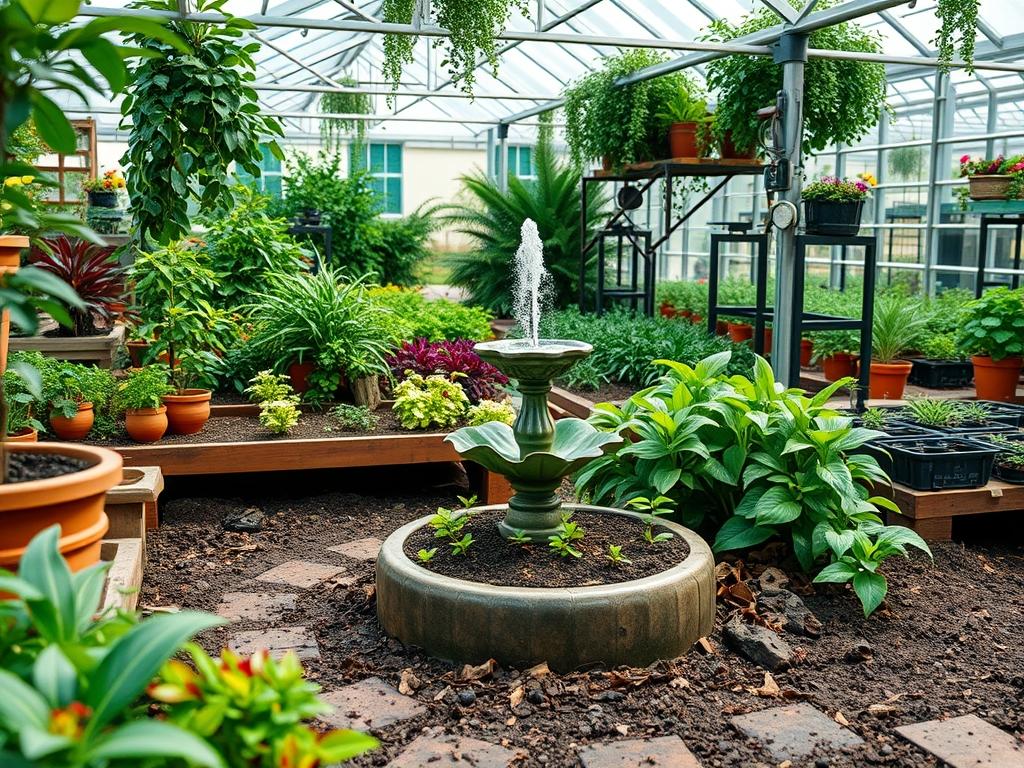
Water is the most evocative element in any high-end landscape profile. It provides a masking sound for urban noise, creates a cooling microclimate, and adds structural interest through movement. For a landscape architect, integrating a fountain involves more than just selecting a stone basin. It requires a sophisticated understanding of fluid dynamics and long term mechanical reliability. Modern Fountain Pump Care begins at the design stage by ensuring accessibility for maintenance and protection from the elements. A poorly maintained pump produces an audible strain that detracts from the garden tranquility. When we design these environments, we prioritize the balance between aesthetic luxury and functional longevity. A fountain that fails due to technical neglect is a liability to the property’s curb appeal and a disruption to the outdoor living experience.
Functional landscaping demands that we treat every water feature as a living system. In arid climates, evaporation rates can cause a pump to run dry within days if not monitored. In colder regions, the expansion of freezing water can crack an impeller housing or shatter a stone basin. Designing with these variables in mind allows us to create spaces that are not only beautiful but resilient. The goal is to create a seamless transition between the hardscape of a patio and the softscape of the garden. A well-maintained fountain acts as the anchor for this transition, drawing the eye and providing a sense of purpose to the outdoor layout.
Landscape Design Principles
Successful water feature integration relies on the core principles of symmetry and focal points. A fountain should never feel like an afterthought. It must be positioned where it can be appreciated from both the interior of the home and the primary outdoor lounging areas. We often use retaining walls to create a sense of enclosure around a fountain, making it feel like a private sanctuary. Elevation layers are equally important. By placing the water feature on a raised plinth or at the end of a sightline, we reinforce its role as a primary focal point.
Irrigation planning must be integrated into the initial fountain design. This includes the installation of an automatic fill valve to counteract evaporation. Visual balance is achieved by surrounding the fountain with textures that contrast the water. Smooth stone basins paired with fine-textured ornamental grasses create a sophisticated palette. Walkways should lead the visitor toward the sound of the water, utilizing permeable pavers to ensure that runoff does not contaminate the fountain reservoir. Proper drainage around the base of the feature prevents soil saturation, which could otherwise shift the foundation of the fountain over time.
Plant and Material Selection
The vegetation surrounding a water feature must be chosen based on its ability to handle localized humidity and occasional splashing. We select plants that do not shed excessive debris, as falling leaves and seeds are the primary enemies of Modern Fountain Pump Care.
| Plant Type | Sun Exposure | Soil Needs | Water Demand | Growth Speed | Maintenance Level |
| :— | :— | :— | :— | :— | :— |
| Japanese Forest Grass | Partial Shade | Humid, Rich | Moderate | Slow | Low |
| Dwarf Papyrus | Full Sun | Wet, Boggy | High | Fast | Medium |
| Creeping Jenny | Sun to Part Shade | Moist | Moderate | Fast | Low |
| Water Lilies | Full Sun | Aquatic Soil | High | Moderate | High |
| Canna Lilies | Full Sun | Rich, Moist | High | Fast | Medium |
| Blue Star Creeper | Full Sun | Well-drained | Moderate | Fast | Low |
Implementation Strategy
Implementing a professional garden layout requires a systematic approach to grading and infrastructure. First, the site must be excavated to a depth that accounts for both the reservoir and a 6 inch layer of compacted gravel for stability. Grading is critical; the ground must slope away from the fountain at a 2 percent grade to ensure that heavy rains do not wash mulch and silt into the water. We use heavy-duty pond liners or pre-cast basins depending on the desired architectural finish.
The mechanical heart of the system is the submersible pump. During installation, the pump should be housed in a pump vault or a mesh enclosure to keep it clear of sand and organic matter. Electrical lines must be run through 1/2 inch PVC conduit and connected to a GFCI protected outlet for safety. Once the basin is set, we use steel edging to create a clean border between the surrounding bark mulch and the fountain’s stone perimeter. This prevents the mulch from migrating into the water during wind or rain events. Finally, the use of river rock within the basin helps to diffuse the water flow and hide the internal plumbing.
Common Landscaping Failures
The most frequent failure in water feature management is improper drainage. When water pools around the base of a fountain, it can lead to soil compaction and eventual tilting of the structure. This misalignment causes the water to spill unevenly over the weir, ruining the intended visual symmetry. Another common mistake is root overcrowding. Planting aggressive species like Bamboo too close to a fountain can lead to roots piercing the liner or clogging the intake valves of the pump.
Irrigation inefficiencies also take a toll. If a sprinkler head is directed toward the fountain, it can introduce hard water minerals that lead to scale buildup on the ceramic impeller. This white, crusty residue is a major hurdle in Modern Fountain Pump Care, as it increases friction and leads to motor burnout. Furthermore, many homeowners fail to account for the Total Dynamic Head, which is the vertical distance the pump must push the water. Selecting a pump with insufficient power leads to a weak, unsatisfying flow and a motor that is constantly under high stress.
Seasonal Maintenance
Seasonal management is the key to protecting your landscaping investment. In the spring, the focus is on re-commissioning. This involves removing the pump from storage, inspecting the power cord for cracks, and flushing the entire system with clean water to remove winter silt. We recommend using a soft-bristled brush to clean the intake screen.
Summer maintenance is dominated by evaporation and algae control. As temperatures rise, water levels drop, which can expose the pump to air and cause cavitation. We check the water daily and apply a UV-stabilized algaecide if the sun exposure is high. Autumn requires diligent debris removal. Falling leaves must be netted out before they sink and begin to decompose, as rotting organic matter produces gases that can be toxic to any aquatic life and can foul the pump housing.
Winterization is the most critical phase for those in cold climates. The pump should be disconnected, dried, and stored in a temperature-controlled environment. If the fountain is too large to move, it must be drained completely. We use expansion plugs in the plumbing lines to prevent trapped water from freezing and bursting the pipes. Covering the feature with a breathable waterproof cover ensures that snow melt does not accumulate in the basin and cause freeze-thaw damage to the masonry.
Professional Landscaping FAQ
How often should I clean my fountain pump?
You should inspect the intake screen every two weeks during the growing season. A deep cleaning of the impeller and internal housing should occur once every three months to prevent the buildup of biofilm and mineral scale.
Can I run my fountain 24 hours a day?
Most modern continuous-duty pumps are designed to run indefinitely. Keeping the water moving prevents mosquito breeding and algae stagnation. However, you must ensure the water level remains consistent to prevent the motor from running dry and overheating.
What is the best way to remove white scale?
Soak the pump components in a solution of distilled white vinegar and water for several hours. This breaks down calcium deposits without the need for harsh chemicals that could damage the rubber seals or the surrounding native plants.
Why is my fountain making a loud humming noise?
A loud hum usually indicates either a clogged intake or a vibrating pump touching the side of the basin. Ensure the pump is sitting on a rubber vibration mat and check that no pebbles are lodged in the impeller.
Do I need to change the water entirely?
Partial water changes of twenty percent every month help maintain chemical balance. A full drain and refill should be performed annually in the spring to remove fine sediment that settles at the bottom of the reservoir over time.