
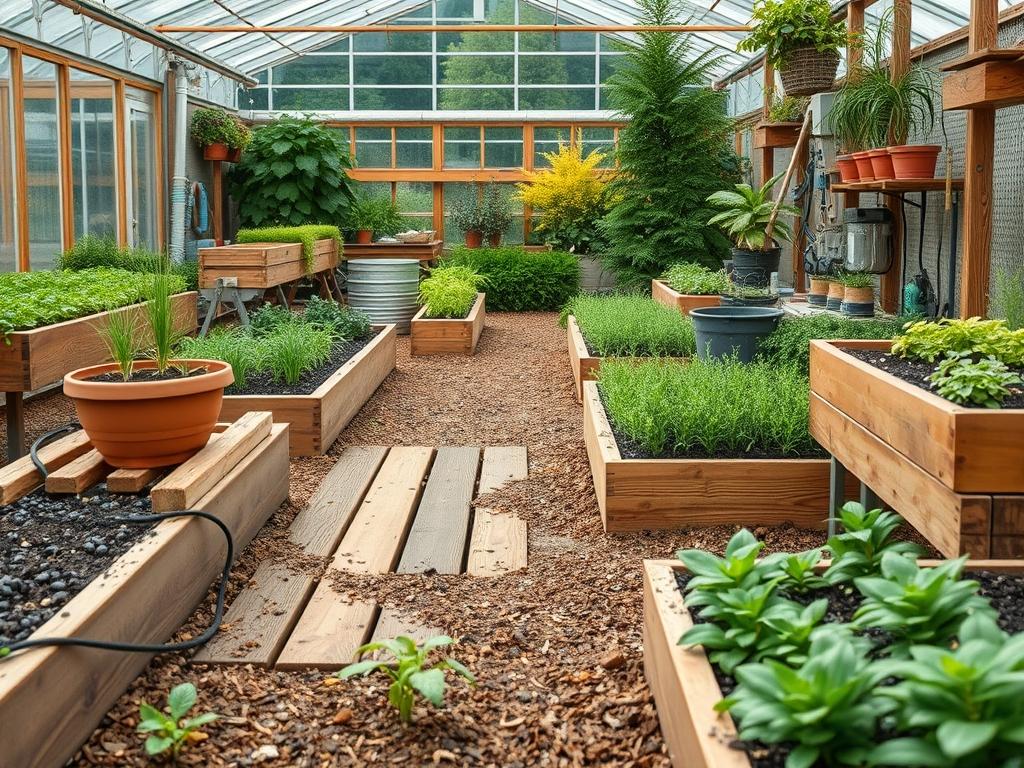
Effective landscape architecture functions as a synthesis between the rigid geometry of residential structures and the fluid, organic rhythms of the natural environment. Homeowners frequently view the backyard as a secondary thought, yet a well-conceived outdoor living space significantly enhances property value and daily utility. One of the most critical elements in this transition is the wooden deck, which serves as the primary platform for social engagement and relaxation. However, a deck is only as resilient as its protective finish. Incorporating Modern Deck Sealing Tips into your broader property management plan is essential for preventing the structural degradation caused by ultraviolet radiation and moisture infiltration. When planning a landscape, you must account for the local microclimate, including prevailing wind patterns and annual precipitation levels, to ensure that both the flora and the hardscaping materials can withstand the elements. A cohesive design requires more than just planting flowers; it involves a strategic look at curb appeal and how every square foot of soil contributes to the overall functionality of the home.
Landscape Design Principles
Successful garden planning relies on foundational concepts such as symmetry, focal points, and elevation layers. Symmetry provides a sense of formal elegance, often achieved by mirroring plant groupings along a central walkway or around a primary deck structure. Conversely, asymmetrical balance can create a more naturalistic, relaxed environment that mimics the randomness of a woodland setting. To achieve visual interest, you should identify a clear focal point, such as a sculptural fountain, a heavy-timber pergola, or a high-contrast specimen tree. This element draws the eye and provides a sense of purpose to the layout.
Elevation changes are equally vital. By utilizing retaining walls and tiered garden beds, a landscape architect can transform a flat, monotonous yard into a dynamic multi-dimensional space. These layers also serve a functional purpose by managing water runoff. Irrigation planning must be integrated at this stage, ensuring that PVC piping and drip emitters are buried at the appropriate depth to avoid interference with plant roots or future construction. Modern walkways, constructed from materials like thermal-finished bluestone or decomposed granite, should lead the observer through these layers, creating a logical flow that connects the indoor kitchen to the outdoor seating area.
Plant and Material Selection
Choosing the right biological components is a balancing act between aesthetics and survivability. The table below outlines several versatile choices for a modern landscape.
| Plant Type | Sun Exposure | Soil Needs | Water Demand | Growth Speed | Maintenance Level |
| :— | :— | :— | :— | :— | :— |
| Buxus microphylla | Full Sun to Part Shade | Well-drained, Loamy | Moderate | Slow | Low |
| Lavandula angustifolia | Full Sun | Sandy, Alkaline | Low | Medium | Medium |
| Acer palmatum | Dappled Shade | Rich, Acidic | Moderate | Slow | High |
| Miscanthus sinensis | Full Sun | Adaptable | Low | Fast | Low |
| Echinacea purpurea | Full Sun | Neutral | Low | Medium | Low |
For hardscaping materials, durability is the priority. When considering Modern Deck Sealing Tips, the selection of the wood itself, whether it is pressure-treated pine, Western Red Cedar, or Ipe, dictates the type of sealant required. Water-borne alkyd stains offer a balance of durability and ease of cleanup, while penetrating oil-based sealants penetrate deep into the wood fibers to provide superior moisture protection.
Implementation Strategy
The transition from a blueprint to a finished landscape requires a disciplined, step-by-step implementation strategy. First, the site must be cleared and graded. A 2 percent slope away from the home foundation is the industry standard to prevent basement flooding and soil saturation. Once the grading is verified with a laser level, you should install the heavy hardscape elements, including paver patios and the primary deck frame.
Before the deck boards are installed, professional landscape architects recommend applying a joist protection tape to the top of the lumber to prevent rot. This is where Modern Deck Sealing Tips become actionable. It is best to seal all six sides of your decking boards before they are screwed down. This ensures that the underside, which is often exposed to ground moisture, is fully protected. For the garden beds, use heavy-duty aluminum edging to create crisp lines between the turf and the planting zones. Apply a 3-inch layer of organic cedar mulch to suppress weeds and retain soil moisture. Finally, ensure that your automatic irrigation controller is programmed according to the specific needs of each hydrozone to avoid overwatering the new installations.
Common Landscaping Failures
Many landscaping projects fail due to a lack of foresight regarding long-term growth and environmental physics. Drainage mistakes are the most frequent culprit. When water is allowed to pool near the deck posts or the house foundation, it leads to wood rot and settled footings. Another common error is root overcrowding. Planting a Quercus rubra five feet from a sidewalk may look fine initially, but within a decade, the expansive root system will heave the concrete and potentially damage nearby utility lines.
Improper spacing of shrubs also leads to poor air circulation, which fosters fungal diseases like powdery mildew. Landscape architects must respect the mature width of every plant listed in the design. Soil compaction is another silent killer of new gardens. During construction, heavy machinery like skid steers can crush the soil structure, eliminating the pore spaces necessary for oxygen to reach the roots. If the soil is compacted, it must be mechanically aerated or amended with expanded shale before planting begins. Lastly, irrigation inefficiencies, such as spraying water onto the leaves of plants in the middle of a hot day, can lead to leaf scorch and wasted resources.
Seasonal Maintenance
A landscape is a living entity that requires specific care across all four seasons. In the spring, the focus should be on rejuvenation. This involves removing winter debris, pruning dead wood with bypass loppers, and applying a slow-release nitrogen fertilizer. This is also the ideal time for deck inspection. Look for signs of graying or water wood absorption. Following Modern Deck Sealing Tips, perform a water bead test. If water soaks into the wood rather than beading on the surface, it is time to clean the surface with a sodium percarbonate wood cleaner and reapply a protective coat.
Summer maintenance centers on hydration and pest management. During periods of extreme heat, deep watering sessions are more effective than frequent shallow sprays. In the autumn, the priority shifts to leaf management and preparation for dormancy. Fallen leaves should be mulched or removed to prevent them from smothering the grass or trapping moisture on the deck surface, which can lead to mold. Winter is the season for protection. Use anti-desiccant sprays on evergreens to prevent moisture loss from cold winds, and ensure that your irrigation backflow preventer is winterized to avoid pipe bursts during a hard freeze.
Professional Landscaping FAQ
How often should I seal my wooden deck?
You should typically apply a new coat of sealant every two to three years. However, high-traffic areas or decks in extreme sun may require annual maintenance. Consistently watching for water absorption is the most reliable way to gauge the timing.
What is the best way to improve soil drainage?
Installing a French drain or a dry creek bed is highly effective. These features redirect excess surface water away from vulnerable areas, such as the deck or the foundation, using gravity and perforated pipes buried in gravel-filled trenches.
Can I plant large trees near my deck?
It is generally discouraged to plant large trees within fifteen feet of a deck. Overhanging branches can drop debris that promotes rot, while powerful root systems can shift the heavy concrete piers that support the deck’s structural weight.
What are the benefits of using native plants?
Native plants are adapted to the local climate and soil conditions, meaning they require significantly less water and fewer chemical fertilizers. They also provide essential habitats for local pollinators like bees and butterflies, bolstering the local ecosystem.
What tools are essential for DIY landscape maintenance?
Every homeowner should own a high-quality steel shovel, hard rake, pruning shears, and a moisture meter. For deck care, a stiff-bristled scrub brush and a low-pressure power washer are necessary to prepare the wood surface for sealing.