
Creating a private sanctuary within the confines of a residential lot requires more than simply planting a row of trees and hoping for the best. For many homeowners, the ultimate goal is to achieve a sense of seclusion that balances aesthetic beauty with functional utility. When evaluating the Backyard Privacy Plant Pros, a professional consultant must look beyond the immediate visual impact and consider long term variables such as root encroachment, local climate resilience, and the seasonal evolution of the landscape. A well designed privacy screen serves as a living wall, filtering noise, blocking unsightly views, and providing a windbreak that can actually improve the microclimate of your garden. However, the success of such an installation depends heavily on the initial site analysis. Factors like site orientation, proximity to property lines, and existing soil structure will dictate whether a project thrives or becomes a costly maintenance burden.
In modern landscaping, the transition between indoor and outdoor living spaces is increasingly seamless. This shift has elevated the importance of curb appeal and outdoor functionality, making the choice of privacy barriers a central pillar of home value. A haphazardly planted line of Leyland Cypress might offer quick coverage, but it often lacks the architectural depth needed to complement a sophisticated home design. Instead, professionals advocate for a multi-layered approach that integrates different textures, heights, and growth habits. By choosing the right Backyard Privacy Plant Pros, a homeowner can transform a vulnerable, exposed yard into a secure retreat that feels expansive rather than claustrophobic.
Landscape Design Principles
Successful landscape architecture relies on a foundation of symmetry and visual balance. When planning for privacy, the designer must establish focal points that draw the eye away from neighboring structures and toward the internal beauty of the garden. This is often achieved through the use of elevation layers. Rather than a flat, monochromatic wall of green, a professional design utilizes a mix of tall canopy trees, mid-level shrubs, and low-growing groundcovers. This staggered approach creates a sense of depth and mimics natural woodland edges, which is far more pleasing to the eye than a rigid, linear fence.
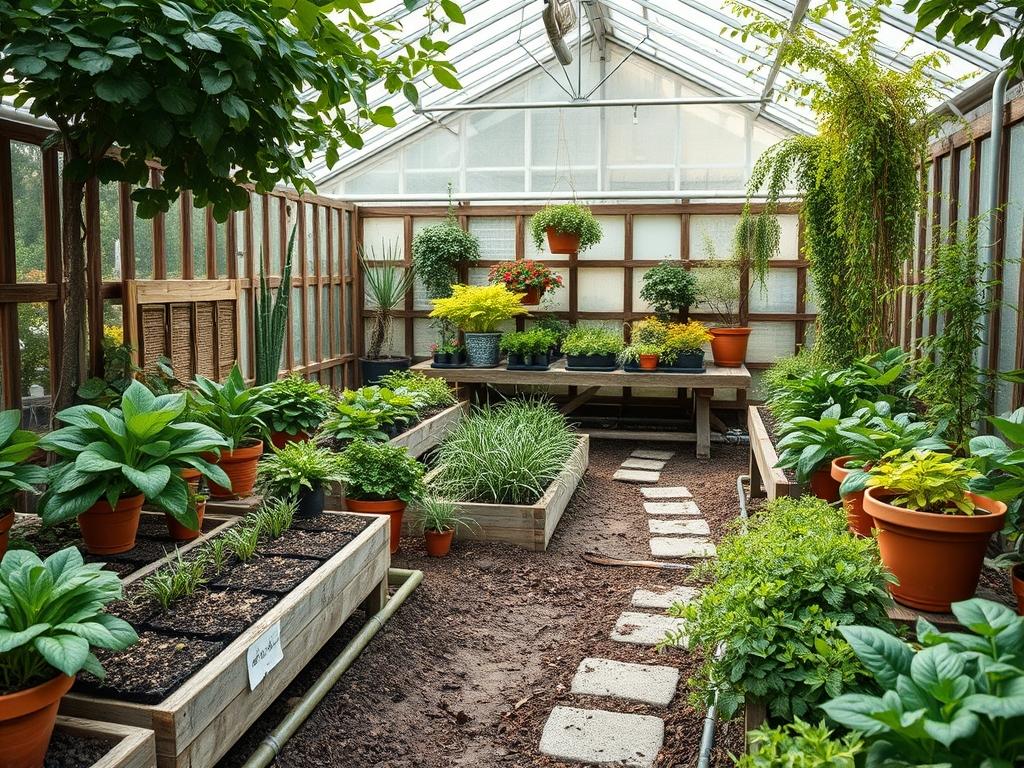
Irrigation planning is another critical principle that must be addressed during the design phase. Privacy plants are often installed in dense groupings, which creates high competition for water and nutrients. A dedicated drip irrigation system is usually the most efficient method for ensuring that each specimen receives adequate hydration without wasting water through evaporation or runoff. Furthermore, the layout must account for movement and accessibility. Walkways should be integrated into the design to allow for easy maintenance of the hedge and to provide a logical flow through the outdoor space. Using materials like natural flagstone or decomposed granite for paths adds a structural element that contrasts beautifully with soft foliage.
Visual balance also involves the manipulation of light and shadow. A solid wall of evergreen foliage can sometimes make a small backyard feel smaller or overly dark. To counter this, designers often incorporate deciduous species with interesting bark or spring blooms, or they utilize “windows” in the planting plan that frame specific views while still blocking unwanted ones. This strategic placement ensures that the Backyard Privacy Plant Pros enhance the environment rather than overwhelming it.
Plant and Material Selection
Selecting the right species involves a rigorous assessment of the environmental conditions on-site. The following table highlights several popular choices used by professionals to achieve high-quality privacy screens.
| Plant Type | Sun Exposure | Soil Needs | Water Demand | Growth Speed | Maintenance Level |
| :— | :— | :— | :— | :— | :— |
| Thuja Green Giant | Full Sun to Part Shade | Well-drained loam | Moderate | Fast (3 feet/year) | Low |
| Nellie R. Stevens Holly | Full Sun to Part Shade | Acidic, moist | Moderate | Medium | Medium (Pruning) |
| Spartan Juniper | Full Sun | Sandy or rocky | Low | Medium | Very Low |
| Clumping Bamboo | Full Sun to Part Shade | Rich, fertile | High | Rapid | High (Containment) |
| Cherry Laurel | Part Shade to Full Shade | Moist, well-drained | Moderate | Medium | Low |
Beyond the biological elements, the choice of supplemental materials is equally important. Organic cedar mulch is preferred for its ability to suppress weeds and retain moisture, while steel edging provides a clean, permanent border between the privacy screen and the lawn. When working with larger specimens, staking kits using 2-inch wide nylon webbing may be necessary to stabilize the trees during their first two growing seasons, especially in wind-prone areas.
Implementation Strategy
The implementation of a backyard privacy plan begins with site preparation, specifically focusing on grading and drainage. Before a single hole is dug, the land must be surveyed to ensure that water flows away from a home’s foundation and does not pool in the root zones of new plantings. Use a transit level to verify the pitch of the land. If the area is naturally low, consider installing a French drain or using 4-inch perforated PVC pipe surrounded by 3/4-inch crushed stone to redirect excess moisture.
Once the grading is finalized, the layout should be marked using surveyor’s twine and marking paint. This allows the homeowner to visualize the footprint of the mature plants. When digging, the holes should be at least twice as wide as the root ball but no deeper. This encourages lateral root growth, which is essential for the stability of tall privacy screens. After centering the plant, backfill with a mix of native soil and compost, tamping down lightly to remove air pockets.
Finalizing the installation involves the application of a 3-inch layer of hardwood mulch. It is vital to keep the mulch a few inches away from the trunk of the trees to prevent rot and pest infestation. For hardscaping elements like retaining walls, ensure that geogrid reinforcement is used for any wall over 36 inches in height to guarantee structural integrity over time.
Common Landscaping Failures
One of the most frequent mistakes in backyard planning is improper spacing. In an attempt to get immediate privacy, many people plant trees too close together. This leads to root overcrowding and competition for resources, which eventually causes the lower branches to die back, leaving the screen thin and unsightly at eye level. Always research the mature width of a species and space them accordingly, even if the garden looks a bit sparse for the first few years.
Soil compaction is another silent killer of privacy plants. During construction or heavy gardening, the use of heavy machinery can crush the pore spaces in the soil, preventing oxygen and water from reaching the roots. If the soil is heavy clay, it may be necessary to incorporate gypsum or expanded shale to improve aeration. Additionally, irrigation inefficiencies, such as over-watering or using a sprinkler system that only wets the leaves rather than the roots, can lead to fungal diseases like Cercospora leaf spot or Phytophthora root rot.
Seasonal Maintenance
Seasonal management is the key to longevity. In the spring, the focus should be on nutrient replacement and structural pruning. Apply a slow-release 10-10-10 fertilizer before the first flush of new growth. This is also the time to inspect for winter damage and remove any dead or crossing branches using bypass loppers.
Summer maintenance revolves around water management. During periods of extreme heat, even established privacy screens may require supplemental deep watering. Monitor the soil moisture at a depth of 6 inches to ensure the root zone remains hydrated. Autumn is the ideal time for cleanup and preparing the plants for dormancy. Remove fallen debris that could harbor pests and apply a fresh layer of mulch to insulate the roots against the coming frost.
In winter, the primary concern is physical protection. For evergreen screens in snowy climates, heavy accumulations should be gently brushed off branches with a soft broom to prevent snapping. If you have used broadleaf evergreens like Boxwood, an application of anti-desiccant spray can help prevent windburn during the coldest months.
Professional Landscaping FAQ
How long does it take for a privacy screen to mature?
Most fast-growing species like Thuja Green Giant reach a functional height within three to five years. Slower-growing hardwoods or hollies may take seven to ten years to provide full visual blockage at heights above 8 feet.
Can I plant privacy trees over a septic line?
It is highly discouraged. Tree roots are naturally drawn to the moisture and nutrients in septic lines, which can lead to expensive pipe damage and system failure. Maintain a minimum distance of 15 to 20 feet from drainage fields.
What is the best way to prevent weeds in a new hedge?
A combination of landscape fabric and a 3-inch layer of wood chips is effective. For a more sustainable approach, use heavy sheet mulching with cardboard underneath the wood chips to suffocate existing weeds without using chemicals.
Do I need a permit for a living privacy fence?
Generally, plants are not subject to the same height restrictions as wood or vinyl fences. However, some homeowner associations have specific rules regarding species type and placement near sidewalks. Always check local municipal codes before planting near property boundaries.
How do I fix a “hole” in an existing privacy hedge?
If a single tree dies, it can be replaced with a specimen of similar size, though matching the growth rate can be difficult. Alternatively, you can install a decorative trellis with a fast-growing vine like Clematis to bridge the gap temporarily.