
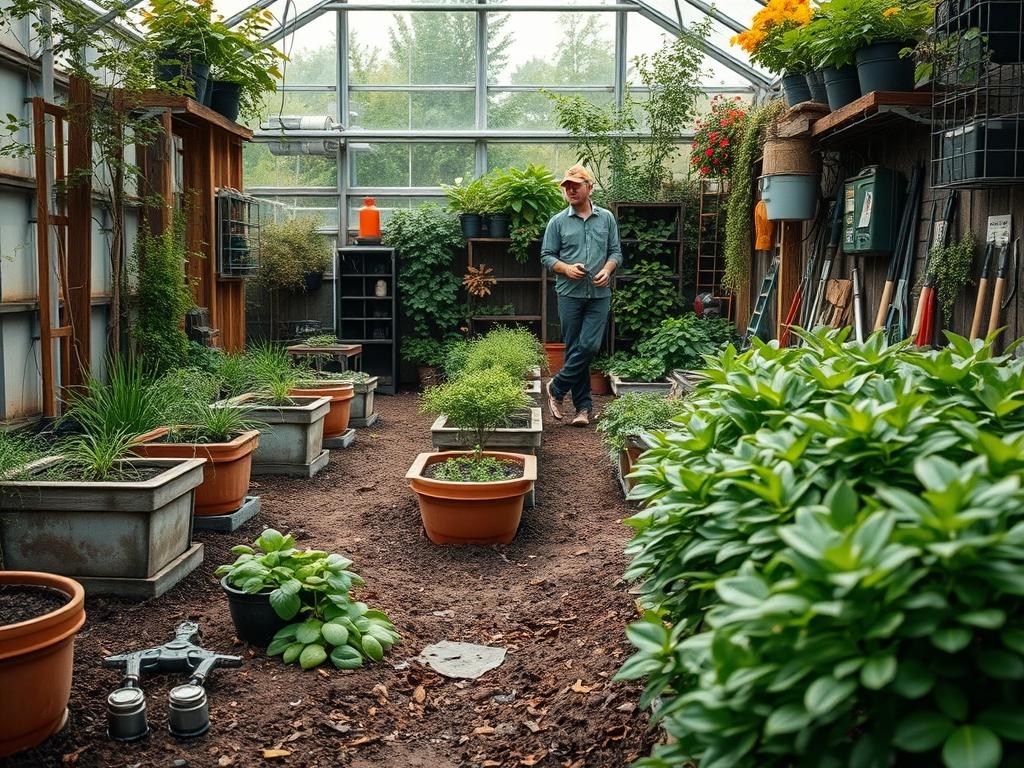
Creating a secluded sanctuary in a modern residential landscape requires more than just a cursory trip to the local nursery. It involves a systematic approach to backyard privacy shrub care that begins with a deep understanding of the local microclimate and the specific horticultural needs of the chosen species. Homeowners and developers often overlook the fact that a living screen is a dynamic architectural element. Unlike a wooden fence, a hedge wall changes with the seasons, consumes resources, and requires a structured maintenance regimen to retain its density and aesthetic appeal. When properly executed, these green barriers provide substantial noise reduction, serve as a windbreak, and significantly enhance the property value through increased curb appeal.
Achieving a high-quality result necessitates a move away from the “one size fits all” mentality. Effective landscaping integrates the utilitarian need for privacy with the artistic requirements of the surrounding environment. This means considering how the height and texture of your shrubs will interact with existing structures, utility lines, and the natural topography of the land. A successful privacy screen acts as a backdrop for the rest of the garden, providing a consistent green foil for ornamental perennials and hardscape features. Without a comprehensive plan for backyard privacy shrub care, even the most expensive specimens can succumb to disease or environmental stress within the first few years of installation.
Landscape Design Principles
The architectural foundation of any privacy screen relies on several core principles: symmetry, focal points, and elevation layering. In professional landscape design, we often use the rule of thirds to determine where to place significant height. If a backyard is relatively flat, adding elevation layers through the staggered planting of shrubs can create a sense of depth that a single row of plants cannot provide. Using Evergreen varieties as the primary structure ensures year round coverage, while incorporating different heights prevents the yard from feeling like a boxed-in enclosure.
Symmetry is particularly useful in formal garden designs, where mirrored rows of Green Giant Arborvitae or Boxwood create a sense of order and grandeur. However, for a more naturalistic or “English Garden” feel, designers often utilize asymmetrical balance. This involves balancing a large, dense shrub on one side with a grouping of smaller, lighter textured plants on the other. This approach helps the privacy screen blend into the natural landscape rather than looking like a rigid wall.
Irrigation planning is perhaps the most critical design principle. A screen of shrubs creates a massive demand for water, especially during the establishment phase. We recommend designing a zoned drip irrigation system that delivers water directly to the root zone. This minimizes evaporation and prevents the foliar diseases that can occur when water is sprayed directly onto the leaves of dense plants like English Laurel. Furthermore, incorporating walkways behind or between the shrubs and the property line allows for easier access during pruning and pest management, preventing the screen from becoming an overgrown, unmanageable thicket.
Plant and Material Selection
Selecting the right species is the difference between a thriving green wall and a dead investment. Below is a professional selection of common privacy plants used in modern landscaping.
| Plant Type | Sun Exposure | Soil Needs | Water Demand | Growth Speed | Maintenance Level |
| :— | :— | :— | :— | :— | :— |
| Thuja Green Giant | Full Sun | Well-drained | Moderate | Fast (3ft/year) | Low |
| Nellie R. Stevens Holly | Full to Partial Sun | Acidic/Rich | Moderate | Medium | Low to Medium |
| English Laurel | Sun to Shade | Loamy/Adaptive | High | Fast | Medium |
| Leyland Cypress | Full Sun | Very Adaptive | Moderate | Very Fast | High (Pruning) |
| Japanese Yew | Partial Sun to Shade | Well-drained | Low to Moderate | Slow | Medium |
| Emerald Green Arborvitae| Full Sun | Moist/Rich | Moderate | Slow to Medium | Low |
| Privet (Ligustrum) | Full Sun | Adaptive | Moderate | Very Fast | High |
When choosing materials, always prioritize organic compost and high quality topsoil to backfill planting holes. For the finishing layer, a 3 inch depth of hardwood mulch is essential. This layer regulates soil temperature and suppresses weeds that would otherwise compete with your new shrubs for nutrients.
Implementation Strategy
The process of installing a privacy screen must be methodical. It begins with grading the area to ensure that water flows away from the root balls of the plants. Standing water is the primary cause of root rot in Boxwood and Arborvitae. Once the grade is established, use a measuring tape to mark the center of each planting hole. Spacing is vital; for a dense hedge, plants should be close enough that their branches will touch within two years, but far enough apart to allow for air circulation.
Begin by digging a trench or individual holes at least twice the width of the root ball. This loosened soil allows the young roots to expand rapidly. Before placing the plant, check the drainage by filling the hole with water and timing how long it takes to disappear. If the water sits for more than an hour, you may need to install a french drain or amend the soil with sand and organic matter to improve porosity.
After planting, the application of a root stimulant or a low nitrogen fertilizer can help the shrubs recover from transplant shock. Edging the planting bed creates a professional finish and prevents turf grass from encroaching on the shrubs. Finally, install your irrigation lines and test the pressure to ensure that the plants at the end of the line receive as much water as those at the beginning.
Common Landscaping Failures
One of the most frequent mistakes in backyard privacy shrub care is improper spacing. Homeowners often want immediate privacy, so they plant Leyland Cypress or Privet too close together. This leads to intense competition for light and nutrients. Eventually, the lower branches will die off due to lack of sunlight, leaving you with a “leggy” hedge that offers no privacy at the ground level.
Another common failure is soil compaction. During construction or heavy landscaping projects, heavy machinery can crush the soil structure, removing the air pockets that roots need to breathe. If you plant in compacted soil, the shrubs will struggle to establish themselves, often leading to stunted growth or death during the first heatwave. Using a garden fork to aerate the soil before planting can mitigate this issue.
Improper mulch application also causes significant problems. The “mulch volcano” – where mulch is piled high against the trunk of the shrub – traps moisture against the bark and encourages fungal infections and pest infestations. Always keep the mulch a few inches away from the main stem of the plant. Lastly, over-reliance on a single species, known as monoculture, can be a recipe for disaster. If a species-specific disease like Seiridium Canker hits a row of identical Cypress trees, you could lose your entire privacy screen at once.
Seasonal Maintenance
Seasonal care is what separates a professional landscape from an amateur one. During the Spring, focus on structural pruning. Use bypass pruners to remove any dead or crossing branches before the new growth begins. This is also the best time to apply a balanced, slow release fertilizer to provide the nutrients needed for the summer growth spurt.
In the Summer, the priority shifts to hydration. During periods of extreme heat, even established shrubs may need supplemental watering. Monitor the leaves for signs of “flagging” or drooping, which indicates water stress. It is better to water deeply once or twice a week than to provide light daily watering. Deep watering encourages roots to grow further into the ground, making the plants more drought tolerant in the long run.
Autumn is the time for cleanup and protection. Apply a fresh layer of mulch if the previous layer has decomposed. This acts as an insulating blanket for the roots during the coming winter. Avoid heavy pruning in late autumn, as this can stimulate new growth that will be killed by the first frost.
During the Winter, the primary concern is physical damage from snow and ice. For multi stemmed shrubs like Arborvitae, you can use twine to lightly wrap the branches together, preventing them from splaying or breaking under heavy snow loads. If you live in a region with heavy deer pressure, applying a repellent or installing temporary netting may be necessary to protect the foliage from winter browsing.
Professional Landscaping FAQ
How often should I prune my privacy shrubs?
Most species require pruning at least twice per year. A major structural pruning in late winter and a light shaping in mid summer generally keeps the hedge dense and prevents the interior branches from losing their foliage due to lack of light.
Do I really need a drip irrigation system?
While hand watering is possible, drip systems are significantly more efficient. They deliver water directly to the soil, reducing water waste and preventing foliar diseases. For a long row of privacy shrubs, an automated system ensures consistent health and growth.
What is the best mulch for privacy hedges?
Triple-shredded hardwood mulch is excellent for most shrubs. It stays in place better than pine nuggets and decomposes slowly, adding organic matter back into the soil. Avoid dyed mulches, which can sometimes contain chemicals that are tasking for young root systems.
Why are the bottom leaves of my shrubs turning brown?
This usually indicates a lack of sunlight or poor air circulation. If the shrubs are planted too close together, the upper canopy shades out the bottom. It can also be a sign of over-watering or soil that does not drain properly.
How do I speed up the growth of my privacy screen?
Consistent watering, regular fertilization, and annual mulching are the best ways to maximize growth. Ensure the soil is not compacted. Using a high quality slow-release fertilizer in early spring provides the necessary fuel for aggressive vertical development.