
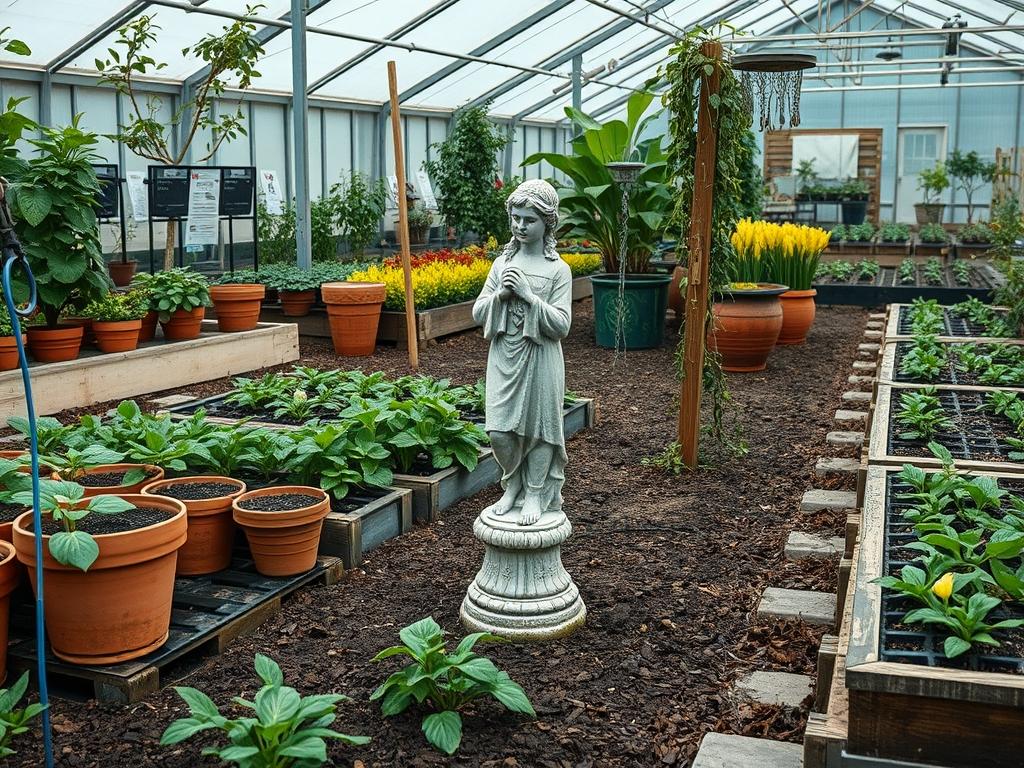
Modern landscape design is no longer confined to the hours between dawn and dusk. As an outdoor environment consultant, I frequently observe homeowners investing thousands into curated flora and masonry only to have those features vanish the moment the sun sets. The challenge lies in creating a nocturnal identity for the property that feels intentional rather than accidental. Solar Garden Statue Lighting offers a sophisticated solution to this problem, providing a way to punctuate the darkness without the invasive trenching and high electrical costs associated with traditional low voltage systems. Integrating these fixtures requires a deep understanding of light temperature, shadows, and the architectural lines of the statues themselves. When executed correctly, a well lit statue becomes a beacon that guides the eye through the landscape, enhancing curb appeal and extending the functional use of the outdoor living space into the late evening.
Climate considerations play a pivotal role in the success of solar integration. In northern latitudes, the shorter winter days require high efficiency Photovoltaic Cells and strategic placement to ensure the internal batteries reach a full charge. Conversely, in arid southern climates, the primary concern shifts to UV degradation of the statue materials and the longevity of the light housing. A professional approach treats the statue and its light as a singular unit, a focalistic element that anchors a specific zone of the garden. By mastering the interplay between solid forms and directed illumination, we can transform a standard backyard into a multi dimensional sanctuary that respects both the environment and the aesthetic goals of the modern property owner.
Landscape Design Principles
Successful garden planning relies on the principle of focal points. A statue acts as a visual anchor; it is the destination for the viewer’s gaze. When considering Solar Garden Statue Lighting, the placement must be determined by the primary viewing angles, such as the view from a kitchen window or the perspective of a guest walking down a primary Flagstone Path. Symmetry and balance do not necessarily mean mirroring elements perfectly. Instead, they refer to the visual weight of the objects within a sightline. If a heavy stone sculpture is placed on the left side of a clearing, a dense cluster of Ornamental Grasses or a smaller secondary feature should balance the right side to prevent the space from feeling lopsided.
Elevation and layering are equally critical. A statue sitting directly on the turf often looks unfinished and lacks prominence. Professional designers prefer to elevate significant pieces using a Stone Plinth or a built up mound of Topsoil finished with architectural Edging. This elevation prevents the solar panels from being obscured by growing foliage and protects the base of the artwork from moisture and Irrigation spray. Furthermore, the lighting should follow the rule of three layers: the path lighting for safety, the ambient wash for mood, and the spotlighting for drama. The solar spotlight serves this third layer, creating a sharp contrast that defines the texture of the statue, whether it is smooth marble or weathered bronze.
Plant and Material Selection
The flora surrounding a lit statue must be chosen to complement, not compete with, the focal point. Low growing groundcovers or fine textured shrubs provide a clean backdrop that allows the illuminated statue to stand out.
| Plant Type | Sun Exposure | Soil Needs | Water Demand | Growth Speed | Maintenance Level |
| :— | :— | :— | :— | :— | :— |
| Pachysandra terminalis | Full Shade | Acidic/Rich | Moderate | Medium | Low |
| Carex oshimensis | Part Shade | Moist/Well-Drained | Moderate | Slow | Low |
| Buxus microphylla | Full Sun/Part Sun | Loamy/Neutral | Low | Slow | Moderate |
| Heuchera | Part Shade | High Organic Matter | Moderate | Medium | Low |
| Liriope muscari | Full Sun/Shade | Versatile | Low | Fast | Minimal |
| Festuca glauca | Full Sun | Sandy/Dry | Low | Medium | Low |
In addition to plants, the materials used for the base and surrounding area dictate the longevity of the installation. Using Crushed Granite or River Rock around the base of the statue improves drainage and prevents soil splashing during heavy rain, which keeps the solar sensors clean. Polyester Resin statues are popular for their durability and weight, while Cast Stone offers a traditional feel that gains character as it patinas over time.
Implementation Strategy
The implementation phase begins with professional grading. Ensure the area where the statue will sit has a 2 percent slope away from the base to prevent water pooling. Once the grade is established, lay down a heavy duty Landscape Fabric to suppress weeds, then install your choice of Metal Edging to define the perimeter. For the statue itself, create a stable foundation using 4 inches of Compacted Crushed Stone topped with a thin layer of Levelling Sand. This prevents the statue from tilting over time as the ground settles.
Positioning the Solar Garden Statue Lighting requires a trial run at dusk. Place the solar panel in a location where it receives at least 6 to 8 hours of direct sunlight. Most modern units allow the panel to be mounted several feet away from the light head, which is ideal if the statue is located in a shaded alcove. Aim the light at a 45 degree upward angle to highlight the contours of the figure. This technique, known as “uplighting,” creates a sense of grandeur. For taller statues, consider using two lights from opposite sides to eliminate harsh, “spooky” shadows and provide a more balanced, three dimensional appearance. Finally, apply a 3 inch layer of Hardwood Mulch around the surrounding plantings, keeping it a few inches away from the statue base and the light fixture to maintain airflow.
Common Landscaping Failures
The most frequent mistake in statue lighting is improper spacing. As plants mature, they often grow over the solar panels or block the light beam entirely. Always research the “mature spread” of the plants listed in your design. If a Buxus shrub is expected to reach 3 feet in width, the statue and its light must be placed far enough away to accommodate that growth without obstruction. Another common failure is neglecting Subsurface Drainage. If a statue is placed in a low spot, the constant moisture can lead to “wicking,” where water travels up into the stone or concrete, causing cracks during freeze-thaw cycles.
Irrigation inefficiency also ruins many lighting setups. If your Rotary Sprinklers are hitting the solar panels or the statue directly, you will see a rapid buildup of hard water deposits. These white, crusty spots block Sunlight from reaching the solar cells and dull the finish of the artwork. Always adjust your Nozzles to spray away from the focal points. Lastly, avoid the “string of pearls” mistake, which is placing too many small, weak solar lights in a row. This creates visual clutter. One high quality, high Lumen solar spotlight directed at a single beautiful statue is far more effective than ten cheap stake lights scattered randomly.
Seasonal Maintenance
Landscape management is a year round commitment. In the spring, inspect the statue for any cracks or biological growth like algae or moss. Use a soft brush and mild soap to clean the surface. This is also the time to prune any encroaching branches that might shadow the solar panels. During the summer, check the Irrigation timing to ensure that the increased water needs of the surrounding plants aren’t resulting in standing water around the statue base. Verify that the light is still turning on at the expected time; if it isn’t, the battery may need replacing after a year or two of heavy use.
Autumn requires the removal of fallen leaves from the top of the solar panels and the base of the statue. Decomposition can stain certain types of stone and trap moisture against the light housing. In the winter, if you live in a region with heavy snow, it is best to brush the snow off the solar sensors daily to allow for charging. For particularly delicate statues made of thin ceramic or certain resins, consider a breathable weatherproof cover for the coldest months, though the lighting can usually remain active to provide a warm glow against the snow. Maintenance is the difference between a garden that looks good for one season and one that looks professional for a decade.
Professional Landscaping FAQ
How many lumens do I need for a garden statue?
For a standard 3 foot statue, look for a solar spotlight producing 100 to 200 Lumens. This provides enough intensity to highlight details without washing out the form or creating excessive light pollution in your neighbor’s yard.
Can solar lights work in a north-facing garden?
Yes, provided the solar panel is detachable. You can mount the light in the shade while placing the Remote Photovoltaic Panel on a fence or stake in a sunnier area up to 15 feet away from the statue.
What is the best way to secure a statue against wind?
Use a Construction Adhesive to bond the statue to a heavy concrete pad or stone plinth buried in the ground. For lighter resin statues, many models allow you to fill the hollow interior with Dry Sand or gravel for stability.
How often should I clean the solar panels?
Clean the panels every 3 months with a damp Microfiber Cloth. Dust, pollen, and bird droppings can reduce the charging efficiency by 30 percent or more, leading to shorter illumination times and dimmer light output during the night.
Will mulch affect the performance of my lighting?
If the mulch is piled too high, it can cover the light lens or trap heat around the battery compartment. Maintain a consistent 3 inch Mulch Depth and ensure the light fixture sits slightly above the mulch line for optimal performance.