
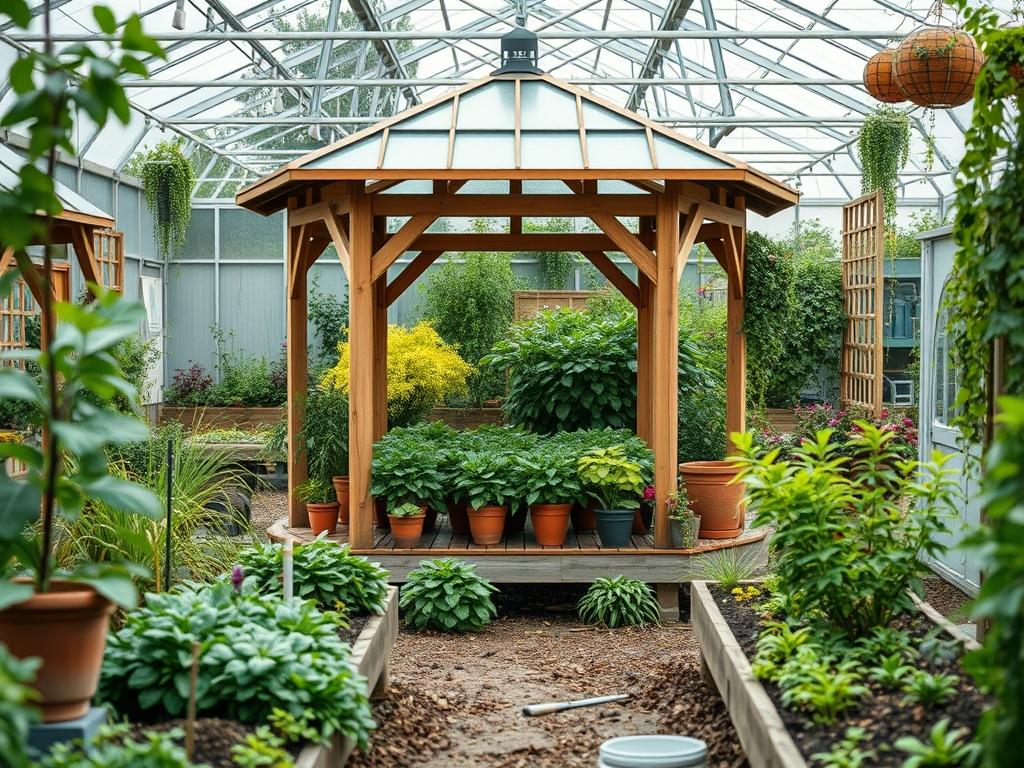
Modern deck gazebo ideas require a synthesis of structural integrity and aesthetic fluidity. The primary challenge in contemporary landscape architecture lies in creating a transition that feels intentional rather than additive. When we approach a residential site, we evaluate the topography, the existing architectural vernacular, and the microclimate. A deck gazebo acts as a structural anchor. It defines the outdoor room, providing shade and enclosure while maintaining a visual connection to the surrounding garden. Achieving this balance requires careful consideration of sightlines and human scale. If the proportions are off, the structure becomes an imposition rather than an asset. We focus on how light moves across the space, how wind flows through the structure, and how moisture interacts with the chosen materials to ensure longevity and comfort.
Designing these structures involves more than simply placing a roof over a platform. It is about the curation of an environment. Curb appeal is significantly impacted by the silhouette of the deck. A modern, minimalist gazebo can elevate a standard suburban backyard into a high-end retreat. However, functionality must remain the priority. This means considering how the gazebo will be used during different times of the day and throughout the seasons. Integrated lighting, privacy screens, and weather-resistant materials are all part of the modern design lexicon. By treating the gazebo as an extension of the interior living space, we create a cohesive flow that encourages outdoor engagement and maximizes the utility of the property.
Landscape Design Principles
Successful modern deck gazebo ideas rely on foundational design principles that organize the space effectively. Symmetry is a common tool in formal designs, where the gazebo serves as the central axis. In more contemporary, organic layouts, we may use asymmetry to create a sense of movement. The gazebo functions as a primary focal point, drawing the eye across the landscape. To achieve this, we often use elevation layers. By varying the height of the deck and the gazebo platform, we create distinct zones for dining, lounging, or gardening. This multi-level approach breaks up large expanses of wood or composite, making the area feel more intimate and structured.
Visual balance is achieved through the careful placement of hardscaping and softscaping. If the gazebo is a heavy, dark-toned structure made of powder-coated aluminum or black-stained cedar, it should be balanced with lighter-textured plantings or neutral-colored natural stone walkways. Irrigation planning is another critical, yet often overlooked, principle. We design the landscape so that water is diverted away from the deck footings while still reaching the surrounding plant beds. Modern designs frequently incorporate hidden drainage systems or ornamental rain chains that turn functional water management into a visual feature. Walkways should be wide and inviting, using materials like large-format porcelain pavers or decomposed granite to connect the gazebo to the rest of the garden without cluttering the visual field.
Plant and Material Selection
The materials and plants surrounding a modern gazebo define its character. We prioritize clean lines and architectural plant forms that complement the geometric nature of modern structures.
| Plant Type | Sun Exposure | Soil Needs | Water Demand | Growth Speed | Maintenance Level |
| :— | :— | :— | :— | :— | :— |
| Japanese Forest Grass | Partial Shade | Humus-rich | Medium | Moderate | Low |
| Boxwood (Buxus) | Full Sun/Part Shade | Well-drained | Medium | Slow | Moderate |
| Blue Oat Grass | Full Sun | Lean/Dry | Low | Moderate | Low |
| Creeping Jenny | Full Sun/Part Shade | Moist/Wet | High | Fast | Low |
| Dwarf Fountain Grass | Full Sun | Average/Moist | Medium | Moderate | Low |
| English Ivy | Shade/Part Shade | Adaptable | Low | Fast | High (Trimming) |
For materials, the choice of decking is paramount. Ipe wood offers unparalleled durability and a rich, natural color, while composite decking provides a low-maintenance alternative that resists fading and rot. The gazebo frame might utilize galvanized steel for a sleek industrial look or western red cedar for a warmer, more traditional feel. Finishing touches often include tempered glass panels for railings to maintain unobstructed views or horizontal wood slats for a rhythmic privacy screen.
Implementation Strategy
Planning a modern deck gazebo layout begins with rigorous site analysis. First, we establish the grades. Proper grading ensures that the ground slopes away from the foundation at a minimum of 2 percent to prevent water accumulation. Once the site is leveled, we mark the footprint using batter boards and masonry string. This ensures the structure is perfectly square before the first hole is dug. For the footings, we use sono tubes filled with concrete to a depth below the local frost line, typically 36 to 48 inches.
After the structural posts are set, we focus on the transition to the garden. Edging is a critical detail; we often use steel landscape edging to create crisp borders between the deck and the mulch beds. A high-quality non-woven geotextile fabric is laid down to suppress weeds before applying a 3-inch layer of shredded hardwood mulch or river rock. Drainage for the gazebo roof should be addressed early. We install 4-inch perforated PVC pipe underground, tied into a pop-up emitter or a dry well, to manage heavy rainfall. The hardscaping, such as flagstone paths or concrete steps, is installed last to protect it from heavy machinery during the structural phase of the build.
Common Landscaping Failures
The most frequent failure in modern deck gazebo projects is poor drainage. If water is allowed to pool around the support piers, it can lead to soil saturation and eventually cause the structure to shift or lean. Another common mistake is root overcrowding. Planting large-scale trees too close to the deck foundation can lead to significant structural damage as the root systems expand. We recommend maintaining a distance of at least 10 feet for medium trees and significantly more for larger species to protect the pressure-treated lumber.
Improper spacing of plants also leads to a cluttered look that contradicts the modern aesthetic. Many homeowners fail to account for the mature size of the plants, resulting in a wall of vegetation that obscures the architectural lines of the gazebo. Soil compaction is another silent killer. During construction, heavy foot traffic and equipment crush the soil structure, preventing oxygen and water from reaching plant roots. We mitigate this by tilling the soil and adding organic compost before any planting occurs. Finally, irrigation inefficiencies, such as spray heads hitting the wood deck, can lead to premature rot and staining. All drip irrigation systems must be calibrated to deliver water directly to the soil.
Seasonal Maintenance
Seasonal management is essential to protect your investment. In the spring, we focus on inspection. Check the post anchors and joist hangers for any signs of corrosion. Apply a fresh coat of UV-resistant sealant to any exposed wood surfaces to prevent graying and checking. Clean out the gutters and downspouts connected to the gazebo to ensure spring rains flow freely.
During the summer, the priority shifts to irrigation and pruning. Prune your Boxwoods and ornamental grasses to maintain their sharp, geometric shapes. Monitor the water needs of your plants, particularly those in containers or near the heat-radiating deck boards. In autumn, clear fallen leaves from the deck surface and the gaps between the boards. If leaves are left to rot on the wood, they can cause permanent tannin stains. This is also the time to plant spring bulbs around the perimeter for early-season color. In winter, minimize the use of rock salt on the deck as it can damage the finish and harm the surrounding soil chemistry. Use a plastic shovel to remove snow, avoiding metal edges that can scratch the wood or composite surface.
Professional Landscaping FAQ
How do I choose the best location for a modern gazebo?
Analyze the sun’s path throughout the day. Place the structure where it provides optimal afternoon shade while maintaining essential sightlines from the house. Ensure the ground is stable and has adequate drainage away from the primary home foundation.
What are the most durable materials for a modern deck gazebo?
Powder-coated aluminum and galvanized steel offer the longest lifespan for frames. For decking, composite materials or Ipe provide excellent resistance to rot, insects, and harsh weather conditions with minimal maintenance compared to traditional pine.
How can I integrate lighting into my gazebo design?
Use LED strip lighting hidden under steps and railings for a subtle glow. Recessed puck lights in the gazebo ceiling provide functional task lighting, while low-voltage landscape spotlights can highlight nearby architectural plants and trees.
Does a deck gazebo require a permit?
In most jurisdictions, any permanent structure with a roof requires a building permit. Always consult local building codes regarding setback requirements, height restrictions, and structural load specifications before beginning your project to ensure full legal compliance.
How can I make my gazebo feel more private?
Incorporate horizontal slat screens or outdoor sheer curtains. For a natural solution, use tall ornamental grasses or a row of Sky Pencil Hollies. These options provide a visual barrier without completely closing off the airflow or garden views.