
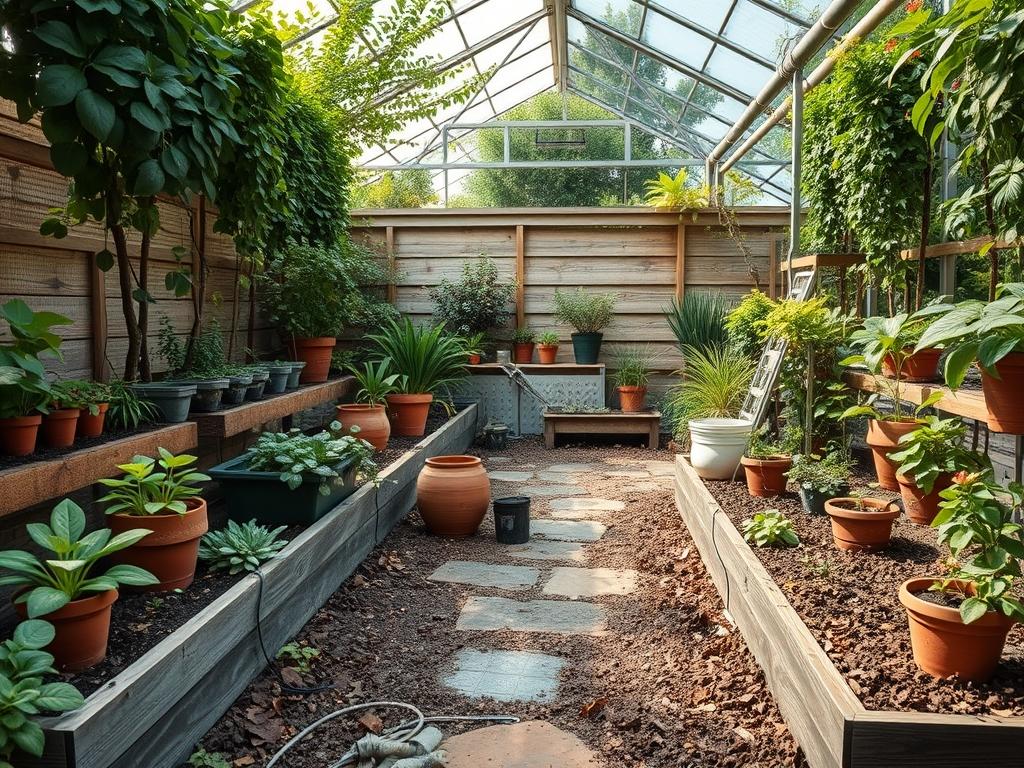
Designing modern backyard privacy wall ideas requires a sophisticated understanding of both architectural form and botanical function. For the contemporary homeowner, the goal is often to transform a vulnerable, exposed lot into a secluded retreat without sacrificing the aesthetic integrity of the property. This process involves more than simply erecting a barrier. It necessitates a deep dive into local climate patterns, existing soil chemistry, and the intended flow of the outdoor space. A well-designed wall does not merely block sightlines; it serves as a structural anchor that enhances curb appeal and increases the property value. Whether you are contending with the harsh sun of an arid climate or the damp, fluctuating temperatures of the north, the choice of materials and plant species must be intentional. Functional privacy solutions address noise pollution from nearby traffic and provide windbreaks that stabilize the microclimate of your patio or garden. By integrating structural elements with living greenery, a designer can create a multi-dimensional environment that feels open to the sky yet secure from the street.
Landscape Design Principles
Successful backyard privacy wall ideas rely on the core principles of symmetry and balance. In a landscape context, symmetry does not always mean a mirror image, but rather a distribution of visual weight that feels stable. For example, a heavy natural stone retaining wall on one side of a property can be balanced by a dense hedge of Emerald Green Arborvitae on the other. Focal points are equally crucial. A blank masonry wall can feel imposing and sterile, but by adding a central water feature or an inset panel of Corten steel, the wall becomes a piece of art rather than just a boundary.
Elevation layers constitute the third dimension of effective design. Instead of a single, tall fence, consider a tiered approach using pressure-treated timber or modular concrete blocks. This allows for the creation of planter beds at varying heights, which softens the verticality of the structure. Irrigation planning must be integrated at this stage. Concealing polyethylene drip tubing behind the wall or underneath a layer of decorative river rock ensures that your plants receive consistent moisture without detracting from the clean lines of the design. Walkways should be planned to lead the eye toward these privacy features, perhaps using slate flagstone or decomposed granite to create a textural contrast with the vertical surfaces. Ultimately, visual balance is achieved when the height of the wall is proportional to the overall square footage of the yard, ensuring the space feels cozy rather than claustrophobic.
Plant and Material Selection
Selecting the right combination of organic and inorganic materials is the foundation of any privacy project. The hardware must be durable enough to withstand the elements, while the softscape must be resilient enough to thrive in the specific microclimate of your yard.
| Plant Type | Sun Exposure | Soil Needs | Water Demand | Growth Speed | Maintenance Level |
| :— | :— | :— | :— | :— | :— |
| Thuja Green Giant | Full Sun to Part Shade | Well-drained, fertile | Moderate | Fast | Low |
| Ilex x ‘Nellie R. Stevens’ | Full Sun to Partial Shade | Acidic, well-drained | Moderate | Medium | Medium |
| Bambusa multiplex | Full Sun | Rich, moist | High | Very Fast | High |
| Taxus x media ‘Hicksii’ | Full Shade to Full Sun | Neutral, well-drained | Moderate | Slow | Low |
| Prunus laurocerasus | Partial Shade | Moist, well-drained | Medium | Fast | Medium |
| Juniperus virginiana | Full Sun | Rocky, dry, or clay | Low | Medium | Low |
Implementation Strategy
The transition from concept to reality begins with a rigorous layout plan. Start by marking the perimeter using a string line and marking paint. This prevents encroachment on utility lines and ensures the wall is perfectly square with the primary residence. Grading is the most critical physical step. If the ground is not level, water will pool against the base of the wall, leading to structural rot or masonry efflorescence. Use a laser level to determine the high and low points of the site.
Once the grade is established, excavation for the footer or base trench should begin. For a heavy stone wall, a trench at least 12 inches deep filled with compacted 21A or 3/4 inch crushed stone is necessary to prevent shifting during freeze-thaw cycles. If you are opting for a “living wall” using a trellis system, ensure the posts are set in concrete at a depth of at least 24 to 36 inches, depending on your local frost line.
After the structure is erected, focus on the edging and ground cover. Clean edges created with a half-moon edger provide a professional finish between the lawn and the privacy structure. Apply a 3 inch layer of triple-shredded hardwood mulch to the base of any plantings. This depth is ideal for retaining moisture and suppressing weeds without suffocating the root flares of your shrubs. Finally, ensure that 4 inch perforated drainage pipe is installed behind any retaining elements to divert hydrostatic pressure, which is the leading cause of wall failure.
Common Landscaping Failures
One of the most frequent mistakes in backyard privacy wall ideas is the failure to account for drainage. When a solid wall is built across a natural slope, it acts as a dam. Without weep holes or a French drain system, water will saturate the soil, causing it to expand and eventually push the wall over. Professional installers always prioritize the movement of water over the aesthetics of the stone.
Root overcrowding is another significant issue. Many homeowners plant Leyland Cypress or Privet too close together because they want an instant screen. Within five years, these plants compete for the same nutrients and water, leading to thin foliage and susceptibility to pests like bagworms or spider mites. Proper spacing, usually 4 to 6 feet on center for large evergreens, ensures long-term health. Soil compaction is a hidden killer that occurs during the construction phase. Heavy machinery compresses the earth, destroying the pore space necessary for oxygen to reach roots. Before planting, it is vital to till the area and incorporate organic compost to restore soil structure. Lastly, irrigation inefficiencies often result from using high-flow spray heads on privacy hedges, which leads to fungal issues on the foliage. Drip irrigation is the superior choice for targeted, deep-root watering.
Seasonal Maintenance
Maintaining a privacy wall requires a quarterly schedule to ensure both its structural integrity and its aesthetic appeal. During the spring, focus on fertilization and pruning. Apply a slow-release nitrogen-rich fertilizer to your evergreens to encourage the new growth that will densify the screen. This is also the time to inspect the wall for any cracks or loose mortar caused by winter ice.
In the summer, the priority shifts to hydration. During periods of extreme heat, even established plants like Hicks Yew may require supplemental watering. Check your irrigation clock to ensure the run times are sufficient for deep saturation. Monitor for signs of heat stress, such as browning needle tips.
Autumn is the season for sanitation and preparation. Remove fallen leaves from the base of the wall and the crevices of plants to prevent mold growth. If your privacy wall includes deciduous elements or climbing hydrangeas, prune back any dead or crossing branches. This is also the ideal window to apply a fresh layer of mulch to insulate the root systems before the ground freezes.
In the winter, protection is key. In regions with heavy snowfall, use burlap wraps or twine to support the branches of upright evergreens, preventing them from splaying under the weight of the snow. Avoid using salt-based de-icers near the base of your privacy wall, as the runoff can alter soil pH and damage the roots of your screening plants.
Professional Landscaping FAQ
What is the best material for a low-maintenance privacy wall?
Composite fencing and pre-cast concrete panels are excellent choices. Unlike natural wood, they do not require staining or sealing. When paired with hardy evergreens like Boxwood, they create a permanent, beautiful boundary with minimal annual upkeep.
How high can I legally build a privacy wall?
Most residential zones limit backyard fences or walls to 6 or 8 feet. Always check your local building codes or Homeowners Association (HOA) regulations before beginning construction. Higher structures may require a specialized permit and engineering drawings.
Can I use plants alone to create a privacy wall?
Yes, this is known as a “living fence.” Species like Columnar Hornbeam or Skip Laurel can be planted in a staggered row to create a dense, opaque barrier. This approach is often more cost-effective and environmentally friendly than hardscaping.
How do I prevent my wooden privacy wall from rotting?
Ensure the wood has no direct contact with the soil by using concrete footings and metal post bases. Use cedar, redwood, or pressure-treated pine, and apply a high-quality UV-rated sealant every two to three years to repel moisture.
What is the fastest way to get privacy in a new yard?
Installing a horizontal slat fence or a modular wall system provides immediate results. For a green solution, purchasing “specimen grade” plants that are already 5 to 6 feet tall is the fastest way to achieve a mature look.