
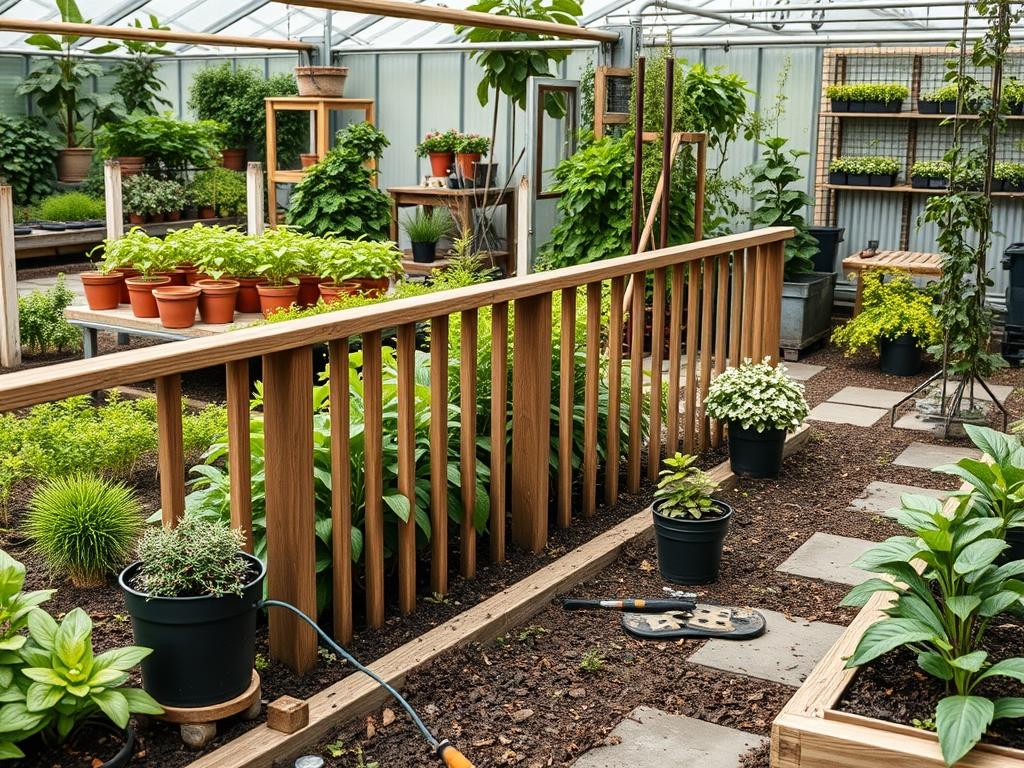
Integrating a deck into a comprehensive master plan requires a shift in perspective from viewing the structure as an isolated platform to seeing it as the primary bridge between architecture and the natural world. Modern deck railing kits offer the clean lines and minimalist profiles necessary to facilitate this transition, but their success depends entirely on the surrounding environment. When a homeowner selects a stainless steel cable railing or a matte black aluminum system, they are essentially choosing a frame for the living gallery that is their backyard. The challenge lies in ensuring that the landscape supports the deck both structurally and aesthetically. Professionals must consider the local climate, particularly how wind and moisture interact with metal and wood components, while simultaneously aiming for a design that enhances curb appeal and maximizes the functional square footage of the property.
Designing with modern deck railing kits allows for an unprecedented level of visual continuity. Because many of these kits utilize slim profiles, the eye travels through the barrier rather than stopping at it. This transparency demands a higher standard of garden planning. If the view from the deck is a chaotic mix of weeds and poorly placed equipment, the minimalist beauty of a glass panel railing will only serve to highlight those flaws. A successful outdoor environment manages the visitor’s focus, using the deck as a high-altitude vantage point from which the rest of the landscape unfolds in a series of intentional layers.
Landscape Design Principles
Symmetry and visual balance are the cornerstones of a sophisticated outdoor environment. When installing a modern deck, the geometry of the railing should dictate the rhythm of the plantings below. If the railing features vertical balusters, repeating those vertical lines with ornamental grasses or upright shrubs creates a sense of cohesion. Conversely, a horizontal cable railing benefit from the softening effect of rounded forms, such as mounded evergreens or sprawling groundcovers. This interplay of linear man-made materials and organic shapes prevents the deck from looking like an alien structure dropped into a field.
Elevation layers are perhaps the most critical principle for decks raised more than 30 inches off the ground. A tall deck can feel looming and disconnected from the earth. To mitigate this, designers use “foundation softening,” which involves planting tall shrubs near the deck posts and gradually stepping down to smaller perennials and groundcovers. This creates a green cascade that anchors the structure. Additionally, focal points should be positioned strategically based on the primary seating areas on the deck. A stone fire pit or a sculptural water feature placed at the intersection of two major sightlines provides a destination for the eye, making the entire backyard feel larger and more purposeful.
Walkways and irrigation planning constitute the invisible infrastructure of a professional landscape. A deck is a high-traffic zone, and without clearly defined paver paths or crushed stone walkways, the turf surrounding the stairs will quickly turn to mud. Furthermore, the area beneath the deck requires specific attention. Because this zone often becomes a “rain shadow” where natural precipitation cannot reach, a dedicated drip irrigation system is necessary to support any shade-tolerant plants installed near the footings. Proper planning ensures that the aesthetic appeal of the modern railing is matched by a healthy, vibrant ecosystem at its base.
Plant and Material Selection
Choosing the right flora involves balancing the desired aesthetic with the practical constraints of the site. In the context of modern design, plants with structural leaves and consistent colors often perform better than traditional, messy cottage garden varieties.
| Plant Type | Sun Exposure | Soil Needs | Water Demand | Growth Speed | Maintenance |
| :— | :— | :— | :— | :— | :— |
| Boxwood (Buxus) | Full Sun/Part Shade | Well-drained | Moderate | Slow | High (Pruning) |
| Little Blue Stem | Full Sun | Poor to Average | Low | Medium | Low |
| Japanese Maple | Part Shade | Rich, acidic | Moderate | Slow | Medium |
| Creeping Thyme | Full Sun | Sandy/Rocky | Low | Fast | Very Low |
| Hydrangea | Part Shade | Moist, loamy | High | Fast | Medium |
| Catmint (Nepeta) | Full Sun | Dry to Average | Low | Fast | Low |
Beyond plants, the selection of hardscaping materials must complement the Modern Deck Railing Kits. If the railing is a high-gloss black powder-coated steel, using dark grey slate or basalt pavers in the patio area creates a sleek, monochromatic look. For brushed stainless steel, lighter stones like travertine or white granite gravel provide a clean contrast that feels contemporary and bright. Always ensure that the mulch used in garden beds is a natural, dark brown or black to allow the green of the foliage to pop against the architectural lines of the deck.
Implementation Strategy
The transition from a deck kit installation to a finished landscape requires a disciplined, step-by-step approach. Once the deck frame is secure and the railing posts are leveled using a high-precision spirit level, the focus shifts to the ground. Grading is the first and most vital step. The soil must be sloped away from the concrete footings at a rate of at least 2 percent to prevent water from pooling near the structural supports. Improper grading is the leading cause of premature post-rot and shifting in modern deck builds.
After the grade is established, define the garden bed edges using steel edging or deep-cut trenches. This creates a crisp line that mirrors the precision of the modern railing. When planting, always dig holes that are 2 times wider than the root ball to encourage outward root growth. Before the plants go in, check the soil pH and amend with organic compost if the soil is overly compacted or nutrient-deficient.
Hardscaping should precede the final planting phase. Lay down a heavy-duty geotextile fabric before spreading 3 inches of mulch or gravel to suppress weeds. If the design includes a retaining wall to manage a slope near the deck, ensure it is built with a perforated drain pipe wrapped in a filter fabric sleeve to manage hydrostatic pressure. Finally, the installation of low-voltage LED lighting along the walkways and at the base of the deck posts will highlight the textures of the plants and the clean silhouette of the railing after the sun sets.
Common Landscaping Failures
One of the most frequent mistakes made by DIYers is failing to account for the mature size of plants. A shrub that looks perfect under a cable railing today may grow to block the entire view within three years. This root overcrowding not only ruins the aesthetic but can also damage the deck’s foundation. Always check the “mature spread” on plant tags and provide an extra 12 inches of clearance from the deck’s fascia boards to allow for airflow, which prevents mold and mildew growth on both the wood and the metal railing kits.
Drainage inefficiencies often lead to “soggy bottom” syndrome, where the area under the deck becomes a breeding ground for insects and decay. This is usually caused by failing to extend downspouts away from the deck area. Another common error is soil compaction during the construction phase. Heavy foot traffic and tool storage can crush the soil structure, making it impossible for new plants to thrive. Using a core aerator or tilling the soil before planting is essential to restore the pore space necessary for oxygen and water infiltration.
Seasonal Maintenance
A professional-grade landscape requires a rhythm of care that changes with the seasons. In the spring, the priority is clear-out and preparation. Remove any dead stalks from perennials, apply a fresh 2 inch layer of mulch, and inspect the modern railing kits for any hardware that may have loosened during the winter freeze-thaw cycles. This is also the time to apply a slow-release fertilizer to shrubs to jumpstart the growing season.
Summer maintenance focuses on water management and aesthetics. During periods of high heat, ensure that plants near the deck receive deep watering early in the morning to minimize evaporation. Prune back any “volunteers” or aggressive vines that may be attempting to climb the railing balusters. In autumn, the focus shifts to leaf management. Allowing wet leaves to pile up against aluminum posts or composite decking can cause staining and promote fungal growth. Clear the debris and prepare the beds for winter by planting bulbs or applying a winterizer fertilizer to the lawn. During the winter, avoid using harsh salt de-icers near the garden beds or on the deck itself, as these chemicals can corrode metal railings and kill sensitive root systems.
Professional Landscaping FAQ
How do I choose a railing color that matches my house?
View the railing as an extension of your window frames or roofline. Matte black provides a classic, high-contrast look that works with most modern architecture, while silver or greys blend seamlessly with light-colored siding and natural stone.
What is the best way to prevent weeds under my deck?
Install a high-quality weed barrier fabric and cover it with a 3 to 4 inch layer of decorative stone. Avoid using mulch in dark, unventilated areas under a deck, as it can hold too much moisture and attract pests.
Can I plant trees close to my deck railing?
Keep trees at least 10 to 15 feet away from the deck. Root systems can uplift footings, and falling branches can damage glass panels or cable systems. Use smaller, ornamental shrubs for greenery closer to the actual structure.
How does drainage affect my deck’s lifespan?
Standing water rots wood and corrodes metal fasteners. Ensure the ground slopes away from the deck at a 1-inch drop per 4 feet of distance. Use French drains if your yard has a natural dip near the deck.
Are native plants better for deck-side gardens?
Yes, native plants are adapted to local rainfall and soil, requiring less supplemental irrigation and fertilizer. They are more resilient against local pests, making them a low-maintenance choice that ensures your deck surroundings stay green year-round.