
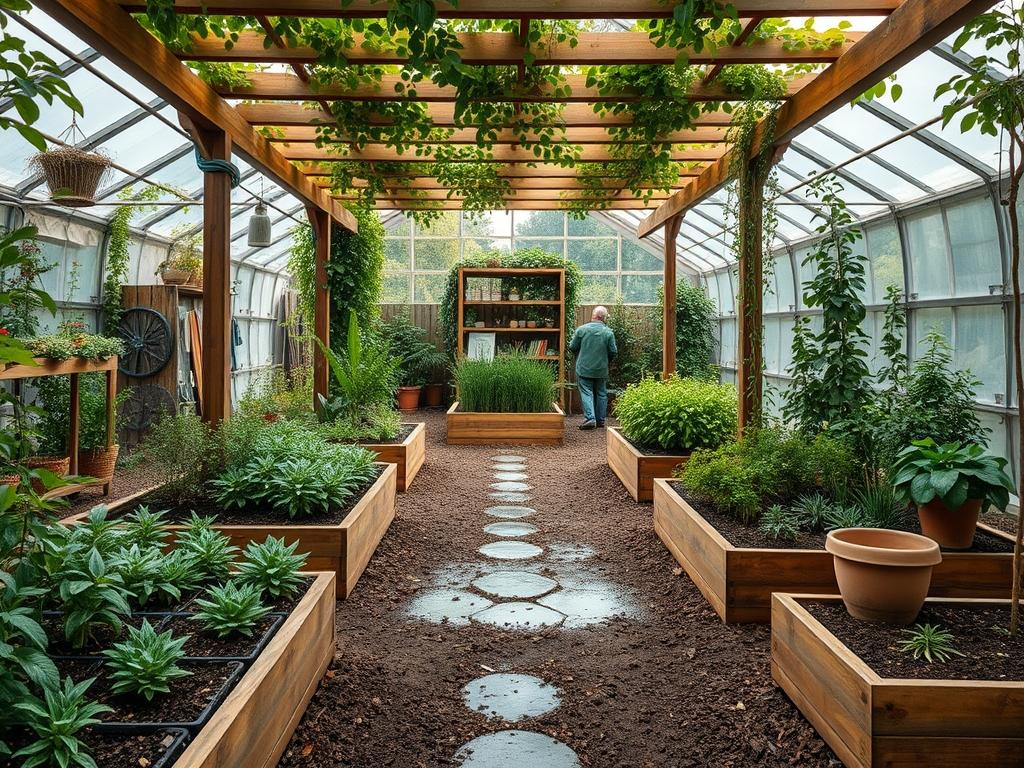
Creating a cohesive transition between an indoor living space and the natural environment involves more than just placing a structure on a wooden platform. When homeowners investigate modern deck pergola plans, they are often looking for a solution to the common landscaping challenge of exposure and Lack of definition. A residential lot without vertical interest feels flat and unprotected from the elements, particularly in regions with high solar gain or frequent wind. By integrating a pergola into your deck design, you create a dedicated microclimate that manages shade and airflow, effectively extending the usability of the home. Beyond simple functionality, the architectural silhouette of a pergola provides a significant boost to curb appeal and property value. It serves as a visual anchor that connects the hardscaping elements to the softer plant life surrounding it. Success requires a deep understanding of site orientation, local wind loads, and how the movement of the sun throughout the seasons will interact with the overhead joists.
Landscape Design Principles
Modern landscape architecture relies on the interplay of geometry and organic forms to create a sense of balance. When implementing a pergola, symmetry is a primary consideration, though it does not always mean a mirror image. In modern design, asymmetrical balance can be achieved by offsetting the pergola to one side of the deck and counterbalancing it with a cluster of large Concrete Planters or a built-in seating area on the opposite end. This creates a focal point that guides the eye through the yard.
Elevation plays a critical role in how the pergola sits within the environment. If the deck is elevated, the pergola must be scaled to avoid looking like it is floating in space. Utilizing Retaining Walls at the base of the deck can help ground the structure, providing a tiered transition from the wood surface to the garden floor. Sightlines should also be a priority; the placement of the vertical 6×6 Cedar Posts must not obstruct the view of key garden features or the horizon. Furthermore, integrating Irrigation Planning into the initial design phase ensures that any climbing vines or nearby perimeter plantings receive consistent hydration without causing moisture damage to the wooden components.
Plant and Material Selection
The materials used for your pergola and the plants that surround it should be chosen for both their aesthetic appeal and their resilience. For a modern look, many architects favor Black Powder-Coated Steel or Western Red Cedar for the primary framework. These materials are then paired with vegetation that emphasizes clean lines and architectural textures.
| Plant Type | Sun Exposure | Soil Needs | Water Demand | Growth Speed | Maintenance Level |
| :— | :— | :— | :— | :— | :— |
| Feather Reed Grass | Full Sun | Well-drained | Low | Fast | Low |
| Star Jasmine | Full/Part Sun | Loamy/Rich | Moderate | Medium | Moderate |
| English Lavender | Full Sun | Sandy/Gravelly | Low | Medium | Moderate |
| Japanese Maple | Part Shade | Acidic/Moist | Moderate | Slow | Moderate |
| Boxwood | Full/Part Sun | Well-drained | Moderate | Medium | Moderate |
| Wisteria | Full Sun | Deep/Fertile | Moderate | Very Fast | High |
Selecting the right Mulch is equally important for the health of the surrounding beds. A Triple-Shredded Hardwood Mulch or a Dark Bark Mulch provides a clean, professional finish that suppresses weeds and retains moisture. For modern decks, a border of Mexican Beach Pebbles or River Rock can create a crisp edge that transitions perfectly into the lawn or garden path.
Implementation Strategy
The construction of a modern pergola requires a systematic approach that begins with the ground. Before any wood is cut, you must verify the site’s Grading. The ground beneath and around the deck must slope away from the house foundation at a minimum of a 2 percent grade to ensure proper drainage. Once the site is prepared, the layout is marked using Batter Boards and Masonry String to ensure the structure is perfectly square.
The foundation of the pergola usually involves digging holes that reach below the local frost line, often 36 to 48 inches deep, depending on your climate. Use a Post Hole Digger or an auger to create clean shafts for the Concrete Piers. By using Steel Post Bases, you can keep the wood from touching the wet soil or concrete, which significantly prevents rot.
After the posts are set and plumbed using a 6-foot Spirit Level, the horizontal Header Beams are installed. For a modern aesthetic, use Hidden Structural Fasteners and Timber Screws rather than traditional bulky bolts. The top Rafters are then spaced at 12 to 20-inch intervals, depending on how much shade you desire. To finish the implementation, apply a 2-inch layer of Mulch to the surrounding garden beds and install Stone Edging to define the perimeter of the deck area.
Common Landscaping Failures
One of the most frequent mistakes in outdoor construction is the failure to account for Subsurface Drainage. Without a proper system, such as a French Drain or Perforated PVC Pipe, water can pool around the footings of the deck and pergola. This leads to soil saturation, which may cause the heavy structure to settle unevenly over time.
Another common failure is root overcrowding. Homeowners often plant large trees or aggressive vines too close to the deck footings. As the root systems of Willow or Silver Maple expand, they can exert enough pressure to crack concrete piers or lift deck boards. Similarly, improper spacing of plants leads to poor airflow, which encourages fungal growth on both the plants and the wood of the pergola.
Soil compaction is a third major issue, especially in new construction. Heavy machinery often packs the earth so tightly that roots cannot penetrate and water cannot infiltrate. It is essential to use a Broadfork or Tiller to aerate the soil before planting. Finally, irrigation inefficiencies, such as pointing sprinkler heads directly at the wooden posts, will lead to premature decay and staining of the material.
Seasonal Maintenance
A landscape is a living entity that requires year round attention to remain healthy and attractive. In the Spring, the focus should be on inspection and renewal. Check all Joist Hangers and fasteners for any signs of loosening due to winter freeze-thaw cycles. This is the ideal time to apply a fresh coat of UV-Resistant Wood Sealer or stain to protect the pergola from summer sun.
During the Summer, irrigation management is the priority. Monitor the moisture levels in the soil using a Soil Moisture Meter to ensure that the heat is not stressing your plants. Deadheading spent blooms on Lavender or Salvia will encourage a second flush of flowers.
In the Autumn, clean debris from the deck surface and the top of the pergola rafters. Fallen leaves can trap moisture against the wood, leading to mold. This is also the time to prune back any climbing vines, such as Star Jasmine, to maintain their shape and prevent them from becoming too heavy for the structure.
In the Winter, protect delicate plants with Burlap Wraps if necessary. Avoid using salt on the deck or near the garden beds, as it can damage the wood finish and alter the soil chemistry, harming your plants when they emerge in the spring.
Professional Landscaping FAQ
How deep should pergola footings be?
Footings must reach below the local frost line to prevent shifting. In most temperate climates, this requires a depth of 36 to 48 inches. Consult local building codes for specific requirements regarding structural load and soil types.
What is the best wood for a modern pergola?
Western Red Cedar and Ipe are superior choices due to their natural resistance to rot and insects. Cedar offers a beautiful grain and takes stain well; Ipe provides extreme density and a long lifespan of over 40 years.
How do I prevent water from pooling under my deck?
Install a French Drain or a sloped Under-Deck Drainage System. Ensure the soil is graded at a 2 percent slope away from the house. Using Landscape Fabric and Crushed Stone helps manage runoff and prevents weed growth.
Which climbing plants are best for pergolas?
Star Jasmine provides evergreen foliage and fragrant flowers. For rapid coverage, Wisteria is effective but requires aggressive pruning. If you prefer a native option, American Trumpet Vine attracts pollinators and thrives in various soil conditions with minimal effort.
Does a pergola require a building permit?
Requirements vary by municipality based on the height and square footage of the structure. Many regions require a permit if the pergola is attached to the house or exceeds 10 feet in height. Always check with your local building department first.