
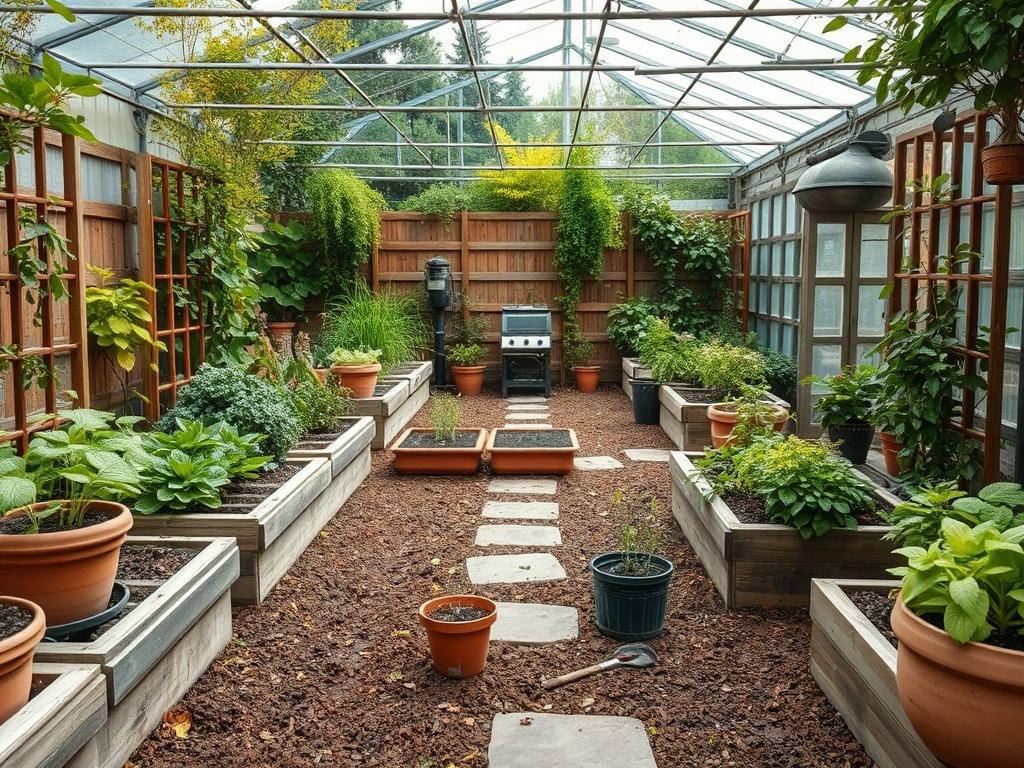
Designing a private sanctuary in a modern residential landscape requires a sophisticated balance between architectural structure and biological density. Many homeowners view privacy as a simple matter of erecting a physical barrier, yet true seclusion is achieved through the layered application of height, texture, and spatial organization. The primary landscaping challenge lies in mitigating the visual intrusion of neighboring windows or public thoroughfares while maintaining a sense of openness and connection to the natural environment. Climate considerations play a pivotal role in this process; a privacy screen that thrives in the humid Southeast may fail in the arid Southwest. Beyond mere utility, these privacy interventions significantly impact curb appeal and property value. A well executed privacy plan transforms a generic backyard into an extension of the home, effectively increasing the usable square footage and creating a functional environment for relaxation and social engagement.
Landscape Design Principles
To master backyard patio privacy ideas, a designer must first look at the principles of symmetry and focal points. Symmetry provides a sense of formal order, which is particularly useful in narrow urban lots where every inch of space is scrutinized. By mirroring vertical elements, such as Italian Cypress or Columnar English Oak, you can frame a patio in a way that feels intentional and grounded. Conversely, a focal point, such as a custom water feature or a high end Outdoor Fireplace, serves a dual purpose. It draws the eye inward, distracting from external distractions, while the acoustic properties of moving water provide a sonic veil against street noise.
Elevation layers are equally critical in the design phase. A flat yard is often the most difficult to secure because sightlines are direct and uninterrupted. By introducing multi level terraces or low retaining walls, you can manipulate the viewer’s perspective. High elevation plantings can screen second story views, while mid level shrubs provide a sense of enclosure at the eye level of a seated guest. This requires meticulous irrigation planning to ensure that plants at different elevations receive appropriate moisture. Walkways should be designed with meanders or gentle curves; straight lines often emphasize the boundaries of a property, whereas curved paths create a sense of mystery and depth. Visual balance is achieved by mixing “hard” elements like stone masonry or perforated metal panels with “soft” elements like swaying ornamental grasses. This prevents the privacy barrier from feeling like a prison wall, instead creating a breathable, living boundary.
Plant and Material Selection
The success of any privacy project depends on selecting the right species for the specific microclimate of the site. Using a mix of evergreen and deciduous varieties ensures that the landscape remains functional throughout the year.
| Plant Type | Sun Exposure | Soil Needs | Water Demand | Growth Speed | Maintenance Level |
| :— | :— | :— | :— | :— | :— |
| Thuja Green Giant | Full Sun/Part Shade | Well-drained | Moderate | Fast | Low |
| Leyland Cypress | Full Sun | Adaptable | Moderate | Very Fast | High (Pruning) |
| Clumping Bamboo | Full Sun/Part Shade | Rich, Moist | High | Very Fast | Moderate |
| Boxwood (Tall) | Part Shade/Sun | Loamy, Neutral | Moderate | Slow | Moderate |
| Japanese Maple | Dappled Shade | Acidic, Loamy | Moderate | Slow | High |
| Privet Hedge | Full Sun/Shade | Any | Low to Moderate | Fast | High (Shearing) |
| Skyrocket Juniper | Full Sun | Well-drained/Dry | Low | Moderate | Low |
Implementation Strategy
The transition from a conceptual design to a completed backyard layout requires a disciplined implementation strategy. The first step involves a comprehensive site survey to identify existing utility lines and property boundaries. Once the layout is marked, grading becomes the priority. Proper grading ensures that water flows away from the patio and the home foundation, preventing stagnant pools that can lead to root rot. If the design includes significant elevation changes, a laser level should be used to ensure the accuracy of the retaining walls and steps.
After the earthwork is complete, the focus shifts to hardscaping. This involves laying the foundation for patios using crushed stone and polymeric sand to prevent weed growth and shifting. For privacy, this is the stage where pergolas, trellises, or privacy screens are anchored into concrete footings. Once the rigid structures are in place, the edging is installed to define the plant beds. A deep v-trench edge or a steel garden edge provides a clean transition between the turf and the mulch.
Planting should follow a tiered approach. Start with the largest “anchor” trees, followed by mid size shrubs, and finally the groundcovers. When installing the plants, ensure the root ball sits slightly higher than the surrounding soil to allow for settling. A slow release fertilizer should be incorporated into the backfill. Finally, apply a 3 to 4 inch layer of hardwood mulch or pine bark nuggets. This mulch depth is critical for moisture retention and temperature regulation. During the initial month, the irrigation system must be monitored daily to ensure that the newly disturbed soil is not drying out or becoming oversaturated, as young root systems are highly vulnerable.
Common Landscaping Failures
One of the most frequent mistakes in backyard privacy planning is the neglect of drainage. When homeowners install large planter boxes or dense rows of evergreens, they often inadvertently create a dam that traps surface runoff. This results in the “bathtub effect,” where water collects around the root systems, leading to anaerobic conditions and eventual plant death. Always ensure that French drains or surface basins are integrated into the privacy screen layout.
Another common failure is root overcrowding. In an attempt to achieve instant privacy, many people plant species like Leyland Cypress or Thuja much too close together. While this looks full in the first year, by year five, the plants begin to compete for light and nutrients. The inner branches often die back due to lack of airflow, leaving the hedge hollow and susceptible to fungal infections. Proper spacing, based on the mature width of the species, is a requirement for long term health.
Soil compaction is a silent killer in new construction landscapes. Heavy machinery used during patio installation compresses the earth, destroying the pore space necessary for oxygen and water movement. If the soil is not properly aerated or amended with organic compost before planting, even the hardiest species will struggle to thrive. Finally, irrigation inefficiency often undermines a project. Mixing high water plants with drought tolerant species on the same zone will lead to one group being either underwatered or overwatered.
Seasonal Maintenance
A professional landscape requires a chronological management plan to preserve the integrity of the privacy screens and the health of the specimens.
Spring is the season for revitalization. As the ground thaws, it is necessary to inspect the irrigation system for leaks or clogged emitters. This is the ideal time to apply a pre-emergent herbicide to the mulch beds to stop weed seeds from germinating. Pruning should be performed on summer flowering shrubs to encourage new growth.
Summer management focuses on water stress and pest control. During heat waves, supplemental hand watering may be needed even for established plants. Watch for signs of spider mites or aphids, which thrive in the warm, dry air of mid summer. If using clumping bamboo for privacy, ensure it receives consistent moisture to maintain its dense canopy.
Autumn is the window for structural maintenance. This is the best time to plant new evergreen trees, as the cooler air and warm soil encourage root development before the frost. Detail pruning of formal hedges, such as Boxwood or Privet, should be completed now so they hold their shape through the winter. This is also the time to refresh the mulch layers to insulate the roots for the coming cold.
Winter is the dormant phase, but it is not a period of neglect. In regions with heavy snow, it is vital to brush off heavy accumulation from the branches of narrow evergreens like Skyrocket Junipers to prevent them from splitting. Deciduous trees can be structurally pruned in late winter to remove crossing branches or “water sprouts,” ensuring a clean silhouette for the following spring.
Professional Landscaping FAQ
How can I create privacy on a patio without using a fence?
Utilize a combination of tiered plantings, such as Standard Tree Forms and high Boxwood Hedges. Vertical elements like trellises with climbing vines or large decorative planters achieve the same screening effect without the structural permanence of a formal fence.
What are the best fast growing plants for an immediate privacy screen?
Thuja Green Giant and Leyland Cypress are the industry standards for rapid vertical growth. For a more modern aesthetic, Clumping Bamboo offers extreme height in a short timeframe, provided the root system is managed within a deep trench or barrier.
How do I handle drainage when building a privacy wall?
Incorporate a perforated drain pipe wrapped in geotextile fabric at the base of the wall. Ensure the backfill consists of three quarter inch clean stone to allow water to move freely toward a designated discharge point or rain garden.
Can I use lighting to enhance my privacy at night?
Yes, use uplighting on the foliage of your privacy trees to create a glowing wall. This technique creates a visual barrier by illuminating the density of the leaves, which reflects light back toward the patio and obscures the view from outside.
Is it better to use a single species or a mixed hedge?
A mixed “tapestry” hedge is professionally preferred. Using various species, such as Holly, Juniper, and Viburnum, prevents a total loss of privacy if a species specific pest or disease strikes your garden, while also providing seasonal visual interest.