
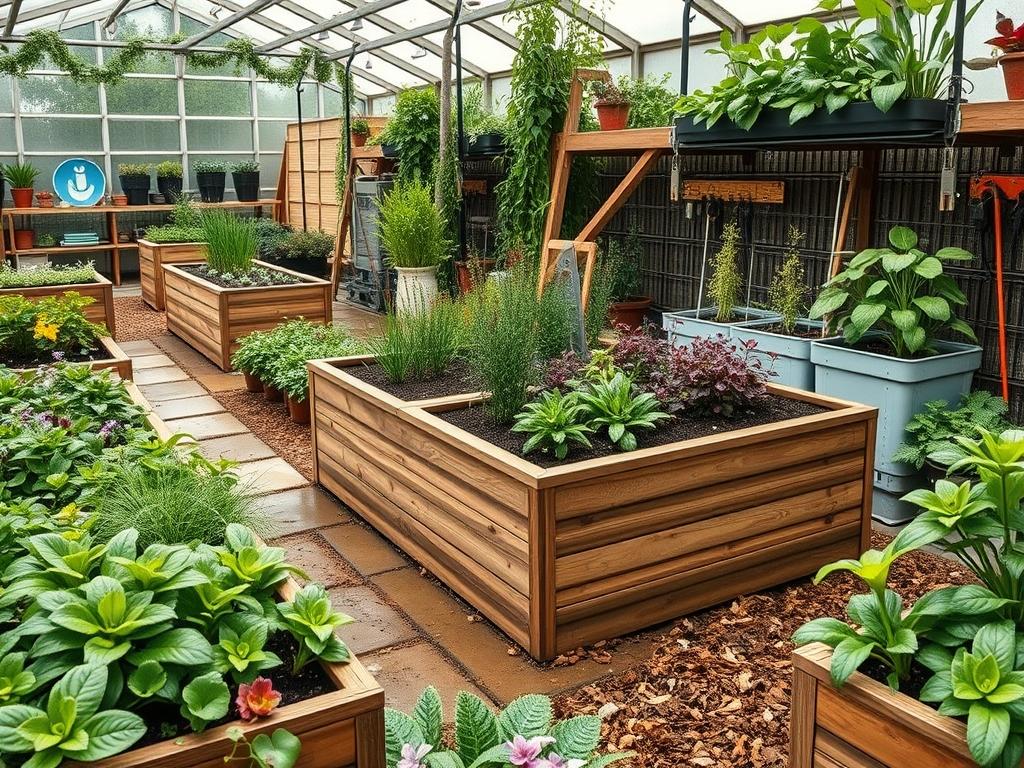
The integration of architectural structure and softscape elements represents the pinnacle of contemporary outdoor living. When we approach the design of a high end residential deck, we are not merely selecting furniture; we are defining the transition between the curated interior and the raw exterior. Modern Deck Planter Boxes serve as the essential hardware for this transition. They provide the structural framework necessary to introduce verticality and biological diversity to elevated surfaces that would otherwise remain sterile and flat. From a landscaping perspective, the challenge lies in balancing the aesthetic desire for minimalism with the physiological needs of the plant life. We must account for the microclimates created by reflected heat from glass doors, the increased wind exposure of elevated platforms, and the strict weight limitations of the underlying joist system. Successfully navigating these variables results in a space that feels grounded, intentional, and vibrant.
Curb appeal is often discussed in the context of front yards, but for the modern homeowner, the rear deck is the primary theater for social interaction. Properly implemented Modern Deck Planter Boxes create a sense of enclosure and privacy without the oppressive feel of a solid wall. By utilizing varying heights and material finishes, we can direct the eye toward specific views or screen out Neighboring structures. The goal of this functional planning is to transform a simple wooden or composite platform into a multi dimensional environment that improves the air quality and psychological comfort of the occupants.
Landscape Design Principles
Effective deck design relies on the core principle of visual balance. Unlike a traditional garden bed where plants can spread freely, a deck environment requires strict geometric discipline. Symmetry is a powerful tool here; placing identical Square Planters at the corners of a seating area creates a formal sense of arrival. However, for a more organic, modern feel, designers often utilize asymmetrical groupings. By clustering boxes of three different heights, usually 12 inches, 24 inches, and 36 inches, you create a rhythmic elevation layer that mimics natural topography.
Focal points are critical in preventing a deck from appearing cluttered. A singular, oversized Corten Steel Planter containing a Japanese Maple or a structural Yucca acts as a visual anchor. Around this anchor, smaller secondary layers can be established. We also focus heavily on irrigation planning during the design phase. To avoid the unsightly appearance of hoses, we often integrate 1/4 inch Drip Irrigation Lines directly into the deck framing. This ensures that each box receives consistent hydration without manual labor. Furthermore, walkways must remain clear. We recommend a minimum clearance of 36 inches between planter edges and furniture to allow for natural traffic flow. This spatial awareness ensures the deck remains functional for entertaining while still feeling like a lush greenhouse.
Plant and Material Selection
The choice of material for Modern Deck Planter Boxes dictates both the longevity of the installation and the health of the root systems. Powder-coated Aluminum is a favorite among architects for its weight to strength ratio and resistance to corrosion. For a more tactile, warm aesthetic, Western Red Cedar or Ipe offers natural rot resistance and a grain that complements wood decking. Below is a selection of species that excel in the confined, well drained environments provided by high quality containers.
| Plant Type | Sun Exposure | Soil Needs | Water Demand | Growth Speed | Maintenance Level |
| :— | :— | :— | :— | :— | :— |
| Blue Oat Grass | Full Sun | Well Drained / Sandy | Low | Moderate | Low |
| Dwarf Boxwood | Part Shade | Loamy / Rich | Moderate | Slow | High (Pruning) |
| Lavender | Full Sun | Gritty / Alkaline | Low | Moderate | Medium |
| Japanese Forest Grass | Shade | Moist / Humus | High | Slow | Low |
| Star Jasmine | Full Sun / Part | Standard Potting | Moderate | Fast | Medium |
| Agave | Full Sun | Succulent Mix | Very Low | Slow | Low |
Implementation Strategy
The execution of a deck garden begins with a thorough assessment of the structural load. Wet soil reflects a significant weight, often reaching 100 pounds per cubic foot. Before placing Modern Deck Planter Boxes, verify that your deck is rated for these localized loads, specifically if you plan to use stone or heavy ceramic containers. Once the weight is cleared, the next step is grading and drainage. Even on a flat deck, water must have a clear path to the deck’s drainage system to prevent pooling and wood rot.
Start by lining the interior of your planters with a Geotextile Filter Fabric. This prevents fine soil particles from clogging the drainage holes while allowing water to pass through freely. For the base layer, instead of heavy gravel, use Expanded Clay Pellets or Recycled Polystyrene to reduce weight while maintaining aeration. Fill the remainder of the box with a high quality Soilless Potting Mix containing perlite and peat moss; avoid using “topsoil” from the ground, as it is too dense and lacks the capillary action needed for containers. When planting, ensure the root ball is level with the soil surface and leave a 2 inch gap between the soil and the rim of the planter to prevent overflow during watering. Finalize the installation with a 3 inch layer of Cedar Mulch or Decorative River Stone to retain moisture and provide a polished finish.
Common Landscaping Failures
The most frequent mistake in container gardening is the lack of adequate drainage. Without a clear exit path for water, the lower levels of the soil become anaerobic, leading to root rot and the eventual death of the plant. Many homeowners purchase beautiful Modern Deck Planter Boxes but fail to drill enough drainage holes or, worse, place them directly on the deck surface. Using Planter Feet or Risers is essential to allow air circulation underneath the box, which protects the decking material from moisture damage.
Root overcrowding is another significant issue. Plants like Bamboos or Ornamental Grasses have aggressive root systems that can eventually bow or crack the sides of a planter if the container is too small. Always research the mature spread of a species before selection. Soil compaction also plagues many deck gardens. Over several seasons, the organic matter in potting soil breaks down and settles, squeezing out oxygen. If the soil feels like a brick, it is time to refresh at least 50 percent of the volume. Finally, irrigation inefficiencies often stem from “surface watering” where only the top inch of soil gets wet, leaving the deep roots thirsty. A dedicated Drip System with Pressure-Compensated Emitters is the only way to ensure uniform saturation in a professional landscape.
Seasonal Maintenance
Maintenance requirements fluctuate with the transition of the seasons, particularly in regions with harsh winters. In the Spring, the focus is on rejuvenation. This is the time to apply a Slow Release Granular Fertilizer and to prune away any winter dieback. Check the irrigation lines for leaks or clogs that may have formed during the freeze. As we move into Summer, moisture management becomes the priority. During heatwaves, containers may require watering twice daily. Monitor for pests like aphids or spider mites, which thrive in the dry, hot conditions found on many sun drenched decks.
When Autumn arrives, it is time to transition the aesthetic. Replace faded annuals with frost hardy species like Ornamental Cale or Mums. Reduce watering frequency as temperatures drop and plants enter dormancy. Winter maintenance involves protecting the infrastructure. In cold climates, terra cotta or ceramic Modern Deck Planter Boxes should be emptied or moved to avoid cracking. For permanent installations like Steel or Composite boxes, ensure the soil is hydrated before the first hard freeze, as desiccating winter winds can kill dormant roots. Wrap sensitive species in Burlap if they are staying outside to provide a buffer against the wind.
Professional Landscaping FAQ
How do I prevent my deck from rotting under heavy planters?
Always utilize Planter Risers or Deck Feet to create a gap between the bottom of the container and the deck boards. This allows for airflow and prevents moisture from being trapped, which is the primary cause of wood decay.
What is the best material for long lasting deck planters?
Powder-coated Aluminum and Marine-grade Stainless Steel offer the best longevity. For wood, Ipe and Western Red Cedar are superior due to their natural oils that resist rot and insect infestation even in high moisture environments.
How often should I replace the soil in my deck boxes?
You should refresh the top 6 to 10 inches of soil every spring. Every three to five years, a complete soil replacement is recommended to prevent compaction and to replenish the essential micronutrients that are leached out through frequent watering.
Can I grow small trees in modern deck planter boxes?
Yes, provided the container is at least 24 to 30 inches deep. Species like Amelanchier, Dwarf Fruit Trees, or Japanese Maples are excellent choices. Ensure the planter is anchored or heavy enough to withstand high wind gusts.
How do I hide irrigation lines on an existing deck?
Run 1/2 inch Supply Lines along the underside of the deck joists or tucked behind the rim joist. Use Vertical Risers located directly behind the planter boxes to keep the tubing out of sight and protected from foot traffic.