
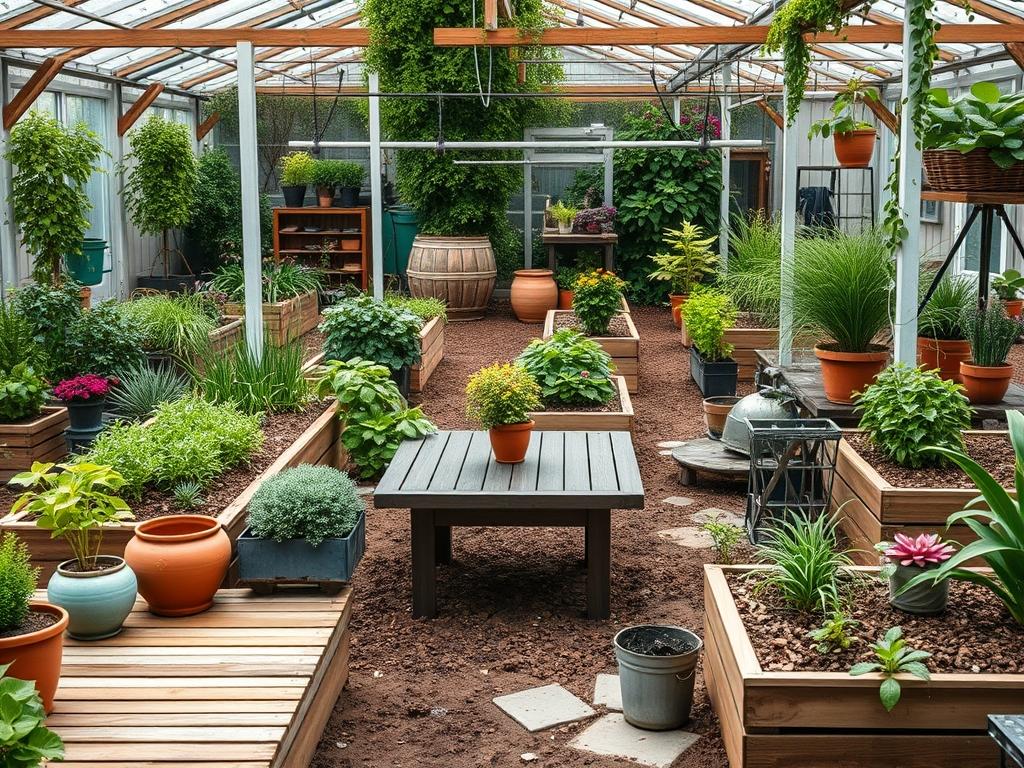
Designing a cohesive outdoor environment requires more than a casual arrangement of greenery; it demands a strategic alignment of structural elements and organic life. A deck serves as the primary transition point between the controlled interior and the fluctuating exterior. When homeowners select Modern Deck Furniture Sets, they are choosing the functional anchors of their landscape architecture. This selection process must account for the local climate, daily sun exposure, and the overall curb appeal of the property. A poorly chosen set can disrupt the visual flow of a garden or succumb to environmental stressors like high UV radiation and persistent moisture. High-quality landscape design treats furniture as a permanent fixture, ensuring that materials and placement harmonize with the surrounding site conditions to create a unified living space.
The landscape architect must view the deck as an outdoor room. The furniture within that room should reflect the same durability and aesthetic intent as the retaining walls or stone pavers that define the garden boundaries. Modern design often prioritizes clean lines and minimalist profiles, which can be vulnerable if the materials are not specified for the local microclimate. For instance, coastal environments require 316 marine-grade stainless steel or High-density polyethylene (HDPE) to resist salt spray corrosion. In contrast, arid environments necessitate materials that stay cool to the touch and resist bleaching, such as powder-coated aluminum or Grade A Teak. By integrating furniture selection into the initial site analysis, a designer ensures that the final result is both functional and resilient.
Landscape Design Principles
Successful landscape architecture relies on the principle of symmetry and the intelligent use of focal points. When placing Modern Deck Furniture Sets, one must consider the sightlines from inside the home. A dining table or modular sofa should be positioned to frame a view, perhaps toward a specimen tree like a Japanese Maple or a well-structured Water Feature. This creates a visual bridge that draws the eye outward. Elevation layers are equally significant. If a deck is elevated, the furniture should have a lower profile to avoid obstructing the vista. Conversely, on a ground-level patio, taller bar-height sets can create a sense of verticality and define the space against a backdrop of tall grasses.
Visual balance is achieved by mirroring the weights of different elements. A heavy, stone fire pit requires a substantial seating arrangement to ground the composition. Irrigation planning must also factor into the layout; furniture should never be placed where it will be directly hit by high-pressure oscillations from a sprinkler system. Instead, subsurface drip irrigation should be utilized for nearby plant beds to keep the deck area dry and extend the lifespan of the furniture frames. Finally, walkways must be wide enough, ideally 36 to 48 inches, to allow for comfortable movement around the furniture without forcing guests to step into the mulch or garden beds.
Plant and Material Selection
The following table outlines plants that complement the sleek aesthetics of modern decking while providing the necessary structural contrast.
| Plant Type | Sun Exposure | Soil Needs | Water Demand | Growth Speed | Maintenance Level |
| :— | :— | :— | :— | :— | :— |
| Blue Oat Grass | Full Sun | Well-drained | Low | Moderate | Low |
| Columnar Hornbeam | Full to Part Sun | Loamy/Moist | Moderate | Slow | Low |
| Dwarf Boxwood | Part Sun/Shade | Rich/Well-drained | Moderate | Slow | High (Pruning) |
| Agave Americana | Full Sun | Gritty/Sandy | Very Low | Slow | Very Low |
| Lavender | Full Sun | Alkaline/Sandy | Low | Fast | Moderate |
| Japanese Forest Grass | Shade/Part Shade | Humus-rich | High | Moderate | Low |
Material selection for the deck itself is the foundation for your furniture choice. Using iPE wood or composite lumber provides a neutral palette for vibrant Modern Deck Furniture Sets. When selecting fabrics, insist on Solution-dyed acrylic, such as Sunbrella, which resists fading and mildew. For the frames, extruded aluminum is lightweight and rust-proof, making it ideal for large modular sections that may need reconfiguration. Always check for UV-stabilized resins in wicker-style furniture to ensure the material does not become brittle and crack after a single season of exposure.
Implementation Strategy
The implementation of a landscape plan begins with thorough site preparation. First, address the grading. The ground must slope away from the house and the deck at a minimum of a 2 percent grade to ensure that water does not pool near the structural footings. Once the grade is established, install geotextile fabric beneath any hardscaped areas to prevent weed growth and soil migration. If the deck is being built over raw earth, use a layer of compactible gravel or crushed stone to provide a stable base and improve drainage.
Next, focus on the transition from the deck to the garden. Use steel edging or poured concrete curbing to create a crisp line between the lawn and the mulched beds. When applying mulch, maintain a depth of 3 inches to suppress weeds and retain moisture, but keep it several inches away from the base of the deck posts to prevent rot. If your design includes a path from the deck to a secondary seating area, ensure the flagstone or pavers are set in a polymeric sand bed to prevent shifting. This structured approach ensures that when the Modern Deck Furniture Sets are eventually delivered, the environment is clean, stable, and ready for use.
Common Landscaping Failures
One of the most frequent errors in garden planning is the failure to account for the mature size of plants. A small Arborvitae planted too close to a deck will eventually grow to several feet wide, crowding the seating area and causing wood decay due to trapped moisture. Improper spacing leads to poor air circulation, which invites pests and fungus. Another common pitfall is the neglect of drainage. If a deck is built without a gutter system or a French drain to redirect runoff, the area beneath and around the furniture will become a mud pit, staining the legs of the tables and seats.
Soil compaction is another silent killer of landscape health. During the construction of the deck, heavy machinery can crush the pore spaces in the soil, preventing oxygen and water from reaching plant roots. Professional landscapers avoid this by using plywood sheets to distribute the weight of equipment or by tilling the soil and adding organic compost after construction is complete. Lastly, many homeowners fail to coordinate their irrigation zones. Putting high-water plants and low-water plants on the same line leads to either root rot or drought stress, both of which degrade the visual quality of the backdrop for your furniture.
Seasonal Maintenance
Maintenance is a year-round commitment that protects both the flora and the furniture investment. In the spring, inspect the deck for any loose boards or popped nails. This is the time to apply a fresh coat of sealer to wood decks and to deep-clean Modern Deck Furniture Sets using a mixture of mild soap and warm water. For aluminum or steel frames, check for any chips in the finish and apply touch-up paint to prevent oxidation.
Summer maintenance focuses on hydration and pest control. Ensure that the irrigation system is functioning correctly and that aphids or spider mites are not attacking the accent plants. During autumn, remove fallen leaves from the deck surface promptly, as they can cause permanent staining on both the decking and the furniture cushions. Winter requires the most protection. If possible, store cushions indoors and use custom-fitted breathable covers for the furniture frames. Do not use heavy plastic tarps, as they trap moisture and can lead to mold growth on even the most durable materials.
Professional Landscaping FAQ
How do I choose the best furniture material for high humidity?
Select powder-coated aluminum or synthetic teak. These materials do not absorb moisture, preventing the rot and warping common in natural woods. Ensure all cushions utilize open-cell foam to allow for rapid drainage and air circulation after rain.
What is the ideal distance between furniture and the deck edge?
Maintain at least 24 to 30 inches of clearance between the back of chairs and the deck railing. This ensures safe movement for guests and prevents the space from feeling cramped or hazardous during social gatherings.
Can I leave modern furniture outside during the winter?
While many Modern Deck Furniture Sets are weather-resistant, they should be covered or stored to extend their lifespan. If left out, use UV-resistant covers and elevate the legs off the ground to prevent moisture wicking from snow or ice.
How does mulch depth affect deck longevity?
Maintain 3 inches of mulch in nearby beds but keep it away from deck posts. Excessive mulch against wood retains moisture, which accelerates fungal growth and structural rot, eventually compromising the stability of the entire outdoor living area.
Why are native plants better for deck surroundings?
Native plants are adapted to local rainfall and soil conditions, requiring less supplemental irrigation. This keeps the deck environment drier, reducing the risk of mildew on furniture fabrics and minimizing the maintenance requirements for the surrounding garden.