
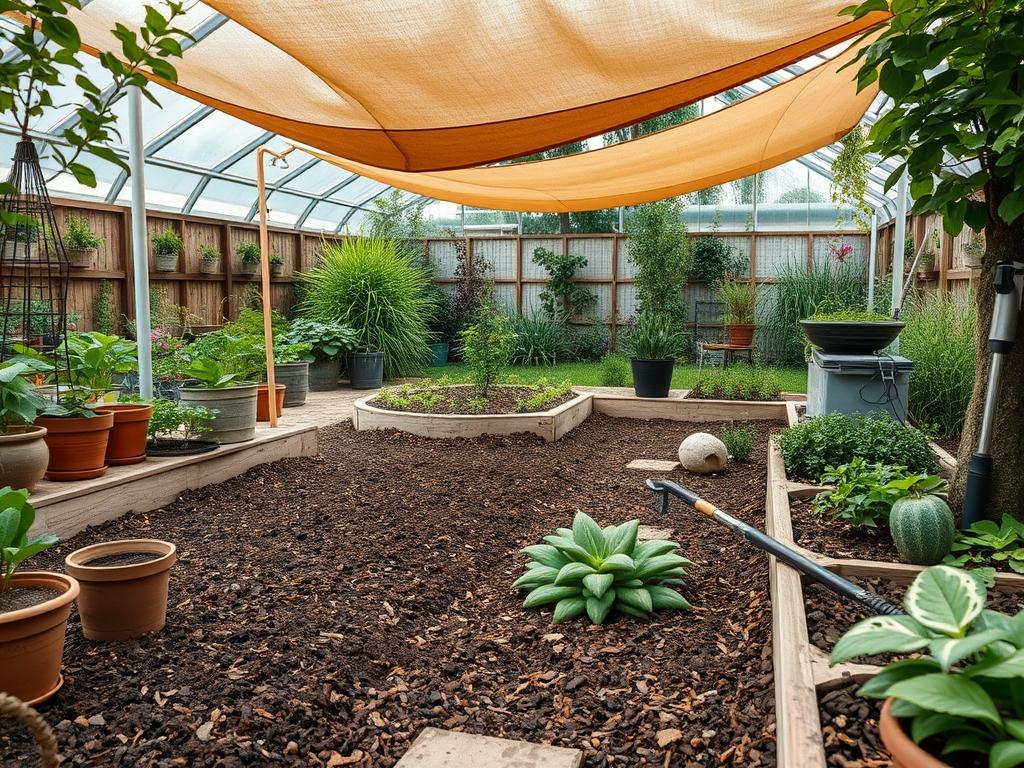
Creating a high end outdoor living space requires more than just aesthetic intuition; it demands a rigorous understanding of structural integrity and environmental dynamics. When we transition from traditional hardscaping to overhead fabric installations, the primary challenge involves managing wind loads and sun angles while maintaining the visual harmony of the site. High quality Backyard Shade Sail Hardware acts as the silent anchor of this transformation. Without the correct tensioning components or mounting points, even the most expensive architectural fabric will sag, pool water, or fail during a summer storm. Landscape architects view these installations as permanent fixtures that must bridge the gap between heavy structural engineering and soft, organic garden design. Proper site analysis identifies the path of the sun during peak hours, ensuring that the shadows fall precisely over seating areas or outdoor kitchens. By integrating these tensile structures, we can extend the usability of a backyard deep into the hottest months of the year, effectively lowering the ambient temperature of the microclimate by several degrees.
The visual impact of a well executed shade sail installation is significant. It introduces a sense of verticality and modern geometry that complements the horizontal planes of a patio or deck. When selecting your hardware, the focus must be on durability and corrosion resistance. In most residential applications, 316 Grade Stainless Steel is the industry standard because it resists pitting and rust in humid or coastal environments. This material choice ensures that the connection points remain clean and bright, contributing to the property’s overall curb appeal rather than becoming an eyesore of oxidized metal. Beyond the functional benefit of UV protection, these structures allow for “thermal comfort zoning,” where we manipulate the environment to create distinct pockets of cooling. This approach is essential in modern landscape design, where the goal is to create seamless transitions between interior comfort and outdoor liberation.
Landscape Design Principles
Successful shade integration relies on the principle of visual balance and geometric alignment. When planning the layout, we look for natural focal points such as a fire pit or a custom dining table. The shade sail should not merely occupy the space; it should define it. Symmetry plays a major role in formal designs, where dual sails might mirror each other across a central axis. Conversely, asymmetrical arrangements create a more dynamic, contemporary feel, often using varying Elevation levels to create a layered effect. By mounting one corner of a triangular sail at 10 feet and another at 8 feet, we create a “hypar” or hyperbolic paraboloid shape. This prevents the fabric from flapping in the wind and facilitates a natural slope for rainwater runoff.
Elevation layers also influence the perceived volume of the garden. High mounting points allow for better airflow and prevent a “closed-in” feeling, while lower points offer more intimate, private atmospheres. We also consider sightlines from the interior of the home. A poorly placed post can be a significant visual obstruction. To avoid this, we often integrate mounting points directly into the existing architecture using heavy duty Pad Eyes, or we use sleek, powder coated Steel Posts that blend into the surrounding vegetation. Walkway alignment is another critical factor. The anchors should never interfere with the natural flow of traffic; they must be recessed or integrated into the softscaping to prevent tripping hazards.
Plant and Material Selection
The microclimate beneath a shade sail is unique. It receives filtered light and protection from harsh midday heat, which opens up possibilities for shade loving species that might otherwise scorch. The following table highlights botanical choices and essential hardscaping materials that complement a shaded environment.
| Plant or Material | Sun Exposure | Soil Needs | Water Demand | Growth Speed | Maintenance Level |
| :— | :— | :— | :— | :— | :— |
| Hostas | Full Shade | Rich, Loamy | Medium | Moderate | Low |
| Japanese Maple | Partial Shade | Well Drained | Moderate | Slow | Medium |
| Boxwood | Partial Sun | Neutral pH | Low | Slow | Moderate |
| Coral Bells | Shade / Part Sun | Humus Rich | Medium | Moderate | Low |
| Liriope | Versatile | Any Soil | Low | Fast | Very Low |
| River Rock | N/A | Drainage Layer | N/A | N/A | Minimal |
| Wood Mulch | N/A | Soil Cover | N/A | N/A | Seasonal |
Selecting the right plants requires an understanding of “hydrozoning,” where species with similar water needs are grouped together. Under a shade sail, the evaporation rate of the soil is significantly reduced. This means your Irrigation Planning must account for lower water demand compared to the perimeter of the garden. River Rock or Pea Gravel serves as an excellent ground cover beneath the sail, as it provides a stable surface for furniture while assisting with rapid drainage during heavy downpours.
Implementation Strategy
The implementation phase begins with a precise site survey. We start by marking the footprint of the desired shade area and then calculating the necessary “set-back” for the Backyard Shade Sail Hardware. A common mistake is forgeting that every corner needs about 12 inches to 18 inches of space for the Turnbuckles and Snap Hooks to provide adequate tension. For the footing, use a heavy duty Auger to dig holes at least 3 feet deep or one third the total height of the post. Fill these with High Strength Concrete to ensure they can withstand the lateral force of a tensioned sail.
Once the posts are set and the concrete has cured for at least 72 hours, grading becomes the next priority. Ensure the ground beneath the sail slopes away from the home’s foundation to prevent water pooling. Use Steel Edging to define the borders between the hardscape and the planting beds. When it comes time to hang the fabric, connect the D-Shackles to the Pad Eyes on the house or posts. Use the Turnbuckles to tighten the sail until there are no visible wrinkles in the fabric. A properly tensioned sail should feel as tight as a drum head. This rigidity is what protects the system during high winds, as it prevents the fabric from gaining momentum through snapping movements.
Common Landscaping Failures
The most frequent failure in backyard shade projects is inadequate drainage. If the sail is installed perfectly flat, it will inevitably catch water during a storm. This weight can reach hundreds of pounds, leading to the collapse of the Backyard Shade Sail Hardware or damage to the home’s fascia. Always maintain a minimum 20 percent slope to ensure gravity pulls water off the leading edge. Another common error is root overcrowding. When planting near shade sail posts, avoid aggressive tree species whose roots might heave the concrete footings over time.
Soil compaction is another overlooked issue. During the construction and installation phase, heavy foot traffic can compress the soil, starving plant roots of oxygen. To remedy this, we recommend Core Aeration followed by the application of organic Mulch to a depth of 3 inches. Finally, irrigation inefficiencies occur when homeowners forget to adjust their timers for the shaded zone. Overwatering in the shade leads to fungal growth and root rot in species like Boxwoods or Japanese Maples.
Seasonal Maintenance
Landscape management is a year round commitment. In the spring, inspect all Backyard Shade Sail Hardware for signs of wear. Lubricate the threads of your Turnbuckles with a small amount of marine grade grease to prevent seizing. This is also the time for a deep cleaning of the fabric using a mild detergent and a soft brush. In the summer, check the tension weekly. Heat can cause some fabrics to stretch slightly, requiring a few turns of the hardware to maintain the structural integrity.
As autumn arrives, clear leaf debris from the top of the sail. If left to rot, organic matter can stain the fabric and attract pests. In regions with heavy snowfall, the most professional advice is to remove the sail entirely for the winter. Use the Snap Hooks for quick disconnection and store the fabric in a dry, rodent proof container. Winter is also the perfect time to prune your Japanese Maples and other structural plants, as their dormant state allows you to see the branch architecture clearly against the winter sky.
Professional Landscaping FAQ
What is the best material for shade sail hardware?
Always choose 316 Grade Stainless Steel. It offers superior resistance to rust and environmental degradation compared to standard galvanized steel. This ensures the Turnbuckles and Pad Eyes remain functional and aesthetically pleasing for many years of outdoor use.
How much tension should I apply to the fabric?
The fabric should be tightened until it is rigid with no sagging or wrinkles. You should be able to hear a resonant sound when tapping the center. Proper tension prevents wind damage and ensures rain runs off the sides effectively.
Can I attach hardware directly to my house siding?
Never attach hardware to siding or trim. All mounting points must be anchored into structural members like studs or rafters. Use heavy duty Eye Bolts that penetrate the building’s framing to ensure the load is safely distributed.
How do I prevent the sail from flapping in the wind?
Incorporate varying mounting heights to create a “twist” in the fabric. This three dimensional shape, combined with high tension through M8 Turnbuckles, breaks the wind’s force and keeps the sail stable during gusty conditions or summer storms.
Do I need an architectural permit for a shade sail?
Requirements vary by municipality. Generally, temporary fabric structures do not require permits, but large permanent posts or structures exceeding a certain height might. Always check with your local building department or homeowners association before starting your Backyard Shade Sail Hardware installation.