
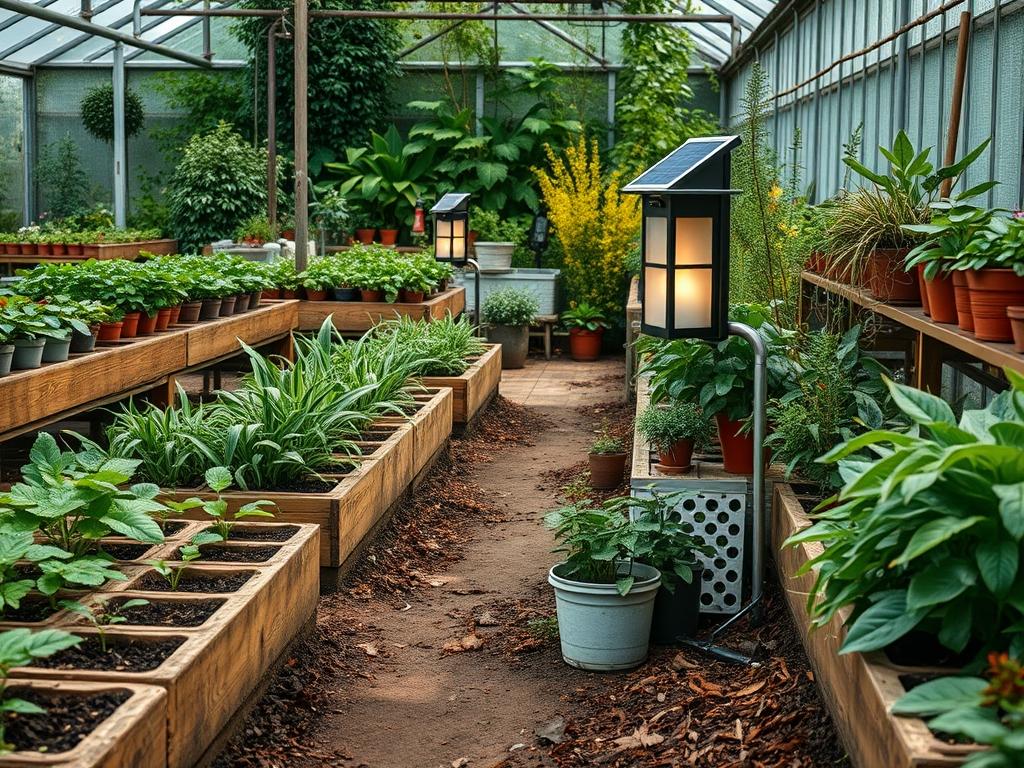
Designing a functional outdoor environment requires a sophisticated understanding of how light interacts with structural elements and biological life. When homeowners evaluate solar wall sconce basics, they are often looking for more than just a light source; they are seeking a strategy to extend the usability of their patios into the evening hours without the complexity of high voltage wiring. The primary landscaping challenge involves integrating these fixtures so they enhance the architectural features of the home while providing enough illumination for safety and ambiance. Climate considerations play a significant role here, as the efficiency of photovoltaic cells depends entirely on the geographical orientation of the mounting surface. A wall facing north may not provide the necessary energy to sustain a high lumen output throughout the night, which necessitates a careful analysis of the site’s solar access. Beyond simple utility, these lighting choices significantly impact curb appeal. The goal is to create a visual transition from the interior to the exterior that feels seamless. We must balance the practical need for visibility with the aesthetic desire for a soft, inviting glow that highlights texture on stone veneers or brickwork. By focusing on the fundamentals of solar lighting, a landscape architect can ensure the patio remains a focal point of the property, regardless of the time of day or the season.
Landscape Design Principles
Effective landscape design relies on the principle of symmetry to create a sense of order and tranquility. When installing lighting, placing fixtures at equal distances from a central point, such as a French door or a large picture window, establishes a formal rhythm. This visual balance leads the eye across the space and makes a small patio feel more expansive. Focal points are equally crucial. A well placed solar sconce can draw attention to a high quality retaining wall or a unique architectural detail, turning a plain boundary into a piece of art. We also consider elevation layers to add depth. Lighting should not exist on a single plane. Instead, it should complement low level path lights and mid level shrubbery illumination to create a tiered effect.
Irrigation planning must be integrated into the early stages of the lighting layout. Water and electricity, even at low solar voltages, require separation to prevent hardware corrosion. We ensure that sprinkler heads are positioned so that they do not spray directly onto the sconce housing, which can lead to mineral deposits on the solar panel. Furthermore, walkways must be mapped out with specific attention to how the light falls upon the ground. A solar sconce mounted at an elevation of 6 feet will cast a different shadow pattern than one mounted at 4 feet. This height dictates the safety of the path, as it determines whether the light illuminates potential tripping hazards or merely accentuates the wall. Visual balance is the final touch, ensuring that the light intensity matches the surrounding environment. An overly bright sconce in a dark, rural setting can feel abrasive, whereas a dim light in a suburban area with high ambient street lighting may disappear entirely.
Plant and Material Selection
The following table outlines plants and materials that harmonize with a lighted patio environment. These selections are chosen for their ability to reflect light and withstand the microclimates often found near building foundations.
| Plant Type | Sun Exposure | Soil Needs | Water Demand | Growth Speed | Maintenance Level |
| :— | :— | :— | :— | :— | :— |
| White Iceberg Rose | Full Sun | Loamy, Well-drained | Moderate | Medium | High |
| Silver Falls Dichondra | Full Sun to Part Shade | Sandy, Fast-draining | Low | Fast | Low |
| Japanese Forest Grass | Part Shade to Shade | Organic, Moist | High | Slow | Medium |
| Lavender (Munstead) | Full Sun | Alkaline, Gritty | Low | Medium | Low |
| Boxwood (Green Velvet) | Full Sun to Part Shade | Neutral, Loamy | Moderate | Slow | Medium |
When selecting materials for the wall itself, consider the reflective properties of the surface. A light colored stucco will bounce more light back into the patio area, whereas dark slate or basalt will absorb it. Using crushed granite or river rock as a ground cover beneath the sconces can further enhance the light distribution through subtle reflection.
Implementation Strategy
Implementing a comprehensive backyard layout begins with professional grading. The ground must slope away from the mounting wall at a rate of at least 2 percent to ensure that heavy rains do not pool at the foundation. Once the grade is established, we mark the positions of the solar wall sconces using marking paint or surveyor stakes. It is vital to test the solar potential at these specific spots during different times of the day. A location that is sunny at noon might be shaded by a tree canopy by three in the afternoon, which would drastically reduce the battery charge.
Next, we address the hardscaping. If a retaining wall is being built, the sconces should be factored into the stone selection to ensure a flat mounting surface. We use a hammer drill and masonry bits to create pilot holes for the mounting brackets, ensuring the fixtures are perfectly level. Following the hardscape, we establish clear edging between the patio and the garden beds. A steel edger creates a crisp line that prevents turf grass from encroaching on the decorative mulch.
The planting phase follows. We dig holes that are twice as wide as the root ball of our chosen shrubs or perennials. Incorporating organic compost into the backfill soil provides the nutrients necessary for establishment. Finally, a layer of hardwood mulch should be applied at a depth of 3 inches but kept away from the direct base of the plants and the wall itself to prevent rot and pest migration. Drainage is reinforced by installing a French drain system if the patio area sits in a natural depression of the landscape.
Common Landscaping Failures
One of the most frequent failures in patio planning is improper drainage. When water is allowed to collect near the foundation where lighting is mounted, it can lead to hydrostatic pressure that cracks the wall and ruins the fixtures. Another common mistake is root overcrowding. Planting large evergreens too close to the wall may look good initially, but within five years, the root systems can heave the pavers and block the solar panels of your sconces.
Improper spacing is a significant aesthetic and functional error. If wall sconces are placed too close together, the light patterns overlap and create “hot spots” that wash out the architectural textures. Conversely, spacing them too far apart leaves dangerous dark gaps. Soil compaction is another silent killer of landscape health. During the construction of the patio, heavy machinery often packs the earth so tightly that roots cannot penetrate and water cannot infiltrate. This leads to runoff and plant death. Finally, irrigation inefficiencies occur when homeowners fail to adjust their drip emitters or rotary nozzles to account for the rain shadow created by the house walls. Plants positioned directly under the eaves often receive far less natural rainfall than those in the open yard.
Seasonal Maintenance
Landscape management is an ongoing process that changes with the calendar. In the spring, the focus should be on cleaning the silicon solar cells of the sconces. Winter soot and pollen can reduce charging efficiency by up to 30 percent. This is also the time for a heavy prune of any ornamental grasses or deciduous shrubs that may have grown to obstruct the light path.
Summer maintenance involves monitoring the irrigation system for leaks and ensuring the plants are not showing signs of heat stress. If the solar lights are not lasting as long as they did in the spring, check to see if new summer foliage is shading the sensors. Autumn requires the removal of fallen leaves from the patio surface and the tops of the sconces. Decomposing organic matter can stain natural stone and create a slip hazard on the flagstone.
During the winter, the primary concern is battery preservation. In extreme cold, the chemical reaction inside lithium-ion or NiMH batteries slows down. If the patio is not in use, some professionals recommend removing the fixtures or at least turning them off to prevent the batteries from deep-discharging. Always clear snow away from the base of the walls to prevent moisture from seeping into the masonry joints during freeze-thaw cycles.
Professional Landscaping FAQ
How high should I mount my solar wall sconces for the best light spread?
For most patios, mounting sconces at eye level, which is approximately 60 to 66 inches from the ground, provides the best balance. This height prevents direct glare while casting a wide enough beam to illuminate the walking surface below.
Will solar sconces work in a North-facing backyard with heavy shade?
Solar fixtures require direct UV exposure to charge effectively. In a North-facing or heavily shaded yard, you must select “remote panel” models where the solar collector can be mounted on a roofline or a sunnier area via a thin wire.
What is the best way to clean solar panels on wall lights?
Use a soft, damp microfiber cloth and a small amount of mild dish soap. Avoid abrasive scrubbers or harsh chemicals that can scratch the polycarbonate or glass coating, as scratches scatter the sunlight and reduce the energy conversion rate significantly.
How do I prevent my patio plants from blocking the light fixtures?
Select dwarf varieties of plants that have a maximum maturity height at least 12 inches below the fixture. Regular pruning with sharp bypass pruners during the dormant season will also help maintain the necessary clearance for both light and air.
Can I install solar wall sconces on a vinyl or wood fence?
Yes, but ensure you use the correct fasteners. For vinyl, use toggle bolts to prevent the plastic from cracking under the weight. For wood, use stainless steel screws to prevent rust streaks from staining the fence over time.