
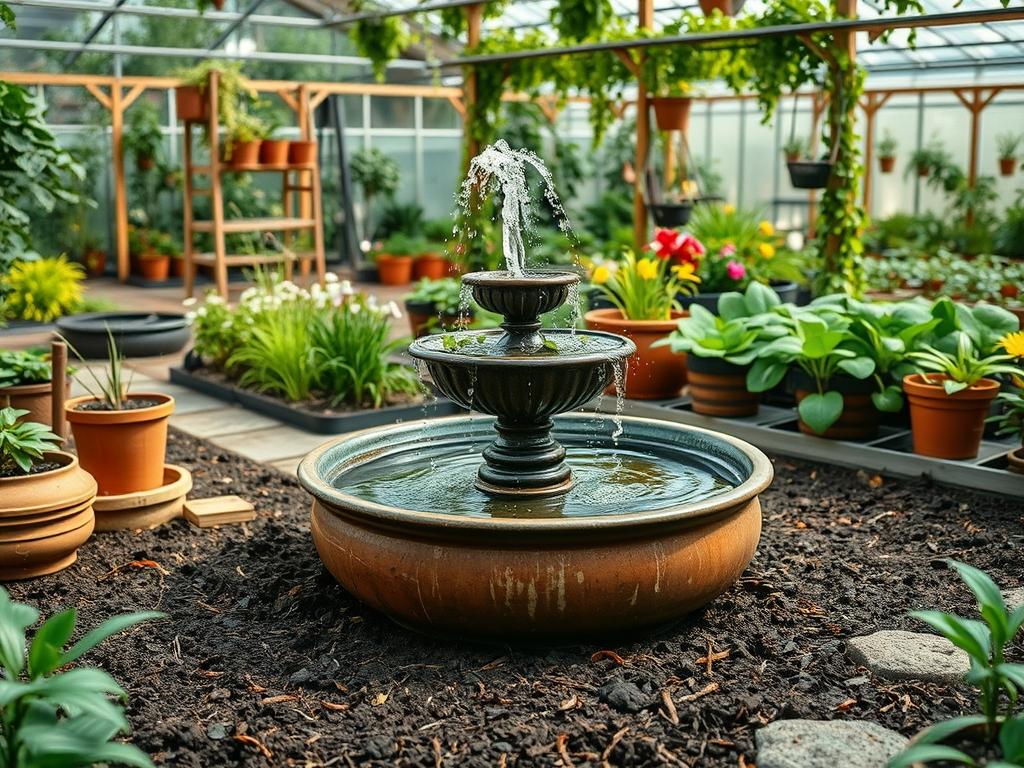
Integrating a professional aquatic element into a residential landscape represents one of the most significant upgrades a homeowner can undertake. A well executed water feature does more than provide aesthetic appeal; it serves as a therapeutic focal point that masks urban noise, regulates local microclimates, and increases property value. However, the transition from a traditional dry garden to an aquatic ecosystem introduces complex maintenance variables. Successful backyard water feature care requires a sophisticated understanding of mechanical filtration, biological balance, and structural integrity. From the initial site survey to seasonal winterization, the objective is to create a self sustaining environment that complements the surrounding architecture while demanding manageable levels of intervention.
The relationship between water and the surrounding terrain is a matter of both engineering and art. When we discuss backyard water feature care, we must first address the site’s topography. A feature placed at the lowest point of a yard often suffers from runoff contamination, where pesticides and fertilizers from the lawn leach into the pond. Conversely, a feature elevated on a terrace or integrated into a retaining wall requires robust structural support to manage the weight of the water and the stone veneers used for finishing. Balancing these technical demands with the desired sensory experience defines the difference between a high maintenance pitfall and a pristine landscape asset.
Landscape Design Principles
Effective garden planning for water features relies on the principle of focal points. A water feature should not compete with other large elements like mature trees or heavy outdoor kitchens. Instead, it should act as the terminal point of a sightline, often framed by walkways and low profile groundcovers. Symmetry plays a vital role here. In formal gardens, a centered fountain provides a sense of order and permanence. In naturalistic designs, asymmetry is preferred, where the water feature appears to emerge naturally from an existing slope.
Elevation layers add depth and a sense of movement to the space. By utilizing boulders and tiered shelf rocks, a designer can create a series of cascades that provide both visual interest and vital aeration. This movement is essential for gas exchange, ensuring that oxygen levels remain high enough to support aquatic life and beneficial bacteria. Furthermore, the integration of hardscaping elements such as flagstone paths or timber bridges allows for safe interaction with the water, bringing the observer closer to the feature while protecting the surrounding mulch and delicate plantings from foot traffic.
Irrigation planning must also account for the water feature. Automatic fill valves are frequently integrated into existing irrigation lines to prevent evaporation from dropping the water level and exposing the submersible pump. This automated approach reduces the daily burden of backyard water feature care and ensures the mechanical components remain submerged, preventing motor burnout during peak summer months.
Plant and Material Selection
The following table outlines the foundational plant species and materials required for a balanced aquatic environment.
| Plant/Material | Sun Exposure | Soil Needs | Water Demand | Growth Speed | Maintenance |
| :— | :— | :— | :— | :— | :— |
| Water Lily | Full Sun | Aquatic Soil | Fully Submerged | Medium | Trim Dead Leaves |
| Blue Pickerel | Partial to Full | Heavy Clay | 3 to 6 Inches | Fast | Divide Periodically |
| Creeping Jenny | Partial Shade | Moist Loam | High | Fast | Trim Edges |
| Sweet Flag | Full Sun | Wet Bog | High | Slow | Minimal |
| Duckweed | Any | N/A | Floating | Very Fast | Regular Thinning |
| River Rock | N/A | Subgrade | N/A | N/A | Power Wash Yearly |
Selecting the right liner is equally critical. For most residential applications, a 45 mil EPDM rubber liner is the industry standard due to its flexibility and durability. This material resists UV degradation and remains pliable even in freezing temperatures, which is a key factor in long term backyard water feature care.
Implementation Strategy
The construction of a water feature begins with precise grading. The area around the perimeter must slope away from the water to prevent surface runoff from entering the system. Once the excavation is complete and all sharp stones are removed, a layer of geotextile underlayment is installed to protect the rubber liner. It is a common mistake to skip the underlayment, but this fabric is crucial for preventing punctures from shifting soil or root growth over time.
Once the liner is in place, the installation of the skimmer and bio-filter boxes begins. These units should be leveled and connected via flexible PVC piping, which is more shadow resistant and easier to route than rigid pipe. The skimmer acts as the primary mechanical filter, pulling surface debris into a basket before it can sink and decay. The bio-filter, often disguised as a waterfall at the head of the stream, contains media where beneficial bacteria colonize to break down ammonia and nitrites.
Edging the feature is where the aesthetic integration happens. Use a mix of fieldstone and river pebbles to hide the liner completely. Larger boulders should be placed first, tucked slightly into the water to create a natural “shelf” look. Afterward, smaller 1 to 3 inch river rocks fill the gaps. This layering technique provides a surface for biological filtration and protects the liner from the sun. Finally, apply a 2 to 3 inch layer of mulch around the exterior plantings to assist with moisture retention and weed suppression.
Common Landscaping Failures
The most frequent failure in backyard water feature care is the neglect of the nitrogen cycle. Owners often fill a pond and immediately stock it with fish, leading to a massive algal bloom. Without a mature colony of bacteria in the filter pads, the water cannot process organic waste, resulting in green, murky conditions. Another common issue is improper drainage around the feature. If the surrounding soil becomes saturated, hydrostatic pressure can build up under the liner, causing it to “whale” or float up from the bottom.
Root overcrowding by aggressive plant species is another significant concern. Plants like Cattails or certain reeds can pierce liners if not contained in aquatic planting baskets. Furthermore, improper irrigation spray patterns can add chlorinated water to the pond daily, which can harm fish and disrupt the delicate chemical balance of the water. Ensuring that the liner edges are high enough above the surrounding grade is the best defense against these external contaminants.
Seasonal Maintenance
Spring is the most intensive period for backyard water feature care. As the water warms to above 50 degrees Fahrenheit, the biological activity resumes. This is the time to remove any accumulated sludge using a pond vacuum and to perform a 20 percent water change. Check all pump connections and clean the filter mats thoroughly.
During the summer, the focus shifts to debris management and evaporation. Check the skimmer basket every few days to remove falling leaves or grass clippings. If algae begins to form on the waterfall rocks, a small dose of liquid barley straw extract or a manual scrubbing with a stiff brush can keep the stones clean. Ensure the water level stays consistent to protect the submersible pump.
Autumn requires proactive measures to prevent winter decay. Installing a pond net over the surface will catch falling leaves before they can sink and turn into anaerobic muck. Cut back aquatic plants like Blue Pickerel to just above the water line after the first frost.
In winter, if you live in a climate where the water freezes, you must keep a hole open in the ice for gas exchange. A floating de-icer or a high volume aerator is essential. Never bang on the ice to break it, as the shockwaves can harm or kill hibernating fish. If the feature is small or shallow, it may be necessary to pull the pump and store it in a bucket of water in a frost free garage to prevent the seals from drying out.
Professional Landscaping FAQ
How often should I clean my water feature filters?
Check your skimmer basket weekly and rinse the bio-filter pads monthly during the active season. Never use chlorinated tap water to rinse filter media, as it kills the beneficial bacteria necessary for backyard water feature care.
What is the best way to control string algae?
The most effective control is a combination of physical removal and the introduction of competing plants like Water Lilies, which shade the water. Ensure your UVC clarifier bulb is replaced annually to maintain water clarity.
Does a water feature require a continuous water supply?
No, most features use a recirculating pump. You only need to top off the water lost to evaporation. An automatic fill valve connected to your irrigation system is the most efficient way to manage this.
Is it safe to use decorative stones from my yard?
Only if they are thoroughly cleaned and free of limestone or metallic veins. Imported river rock or granite is preferred, as limestone can drastically alter the pH levels of the water, making maintenance difficult.
How do I find a leak in my pond liner?
Turn off the pump and let the water level drop until it stops. The puncture will be located along the new water line. Inspect the liner carefully behind rocks or near the skimmer faceplate for any visible tears.